What is oxidative stress and why do antioxidants matter?
Oxidative stress occurs when there is an imbalance between free radicals and antioxidants in the body. Free radicals are unstable molecules that can trigger a chain reaction, leading to cellular damage if they accumulate in excessive amounts. This biological process is often exacerbated by external environmental stressors.
Common triggers that increase the production of free radicals include:
- Exposure to atmospheric pollution
- Tobacco smoke and smoking habits
- Ultraviolet (UV) radiation from sunlight
Antioxidants act as the body's primary defense, neutralizing these unstable molecules before they can cause significant harm to cells. Incorporating a variety of antioxidant-rich fruits into a daily diet provides a broad spectrum of these protective compounds, supporting long-term cellular integrity and overall wellness.
Which fruits offer the highest antioxidant density?
While many fruits provide nutritional value, seven specific varieties are particularly noted for their high concentrations of antioxidant compounds. These fruits vary in their chemical makeup, offering different types of polyphenols, flavonoids, and vitamins that target various biological pathways.
The role of specific phytochemicals
The effectiveness of these fruits lies in their unique phytochemical profiles. For instance, some fruits are rich in anthocyanins, which provide deep pigmentation and specific protective qualities, while others contain unique polyphenols like punicalagins. Understanding these distinctions helps in recognizing how different fruits contribute to a holistic nutritional strategy.
How do apples and blueberries support cellular health?
Apples and blueberries are two of the most accessible and potent sources of antioxidants available in a standard diet. Each provides a different set of benefits based on their chemical composition.
Apples and Quercetin
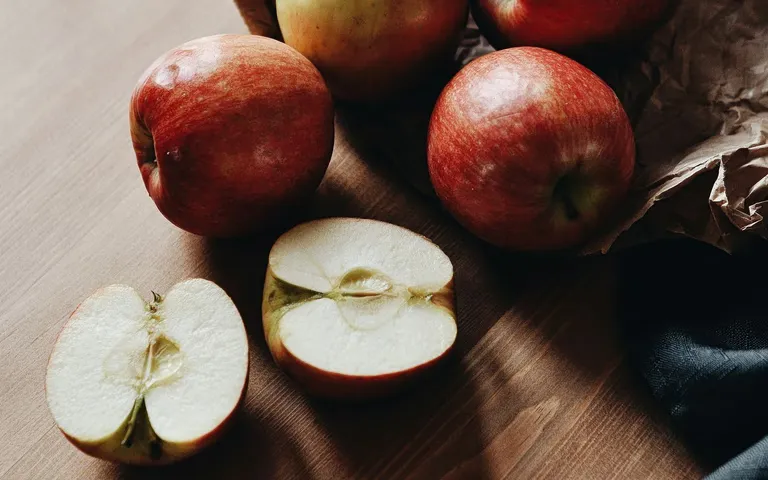
Apples are a significant source of quercetin, a flavonoid known for its antioxidant properties. Research has explored how quercetin may assist in managing inflammation and mitigating the effects of oxidative stress. To maximize the nutritional intake of apples, it is recommended to consume them with the skin intact, provided they have been thoroughly washed, as the peel contains higher concentrations of dietary fiber and beneficial compounds.
Blueberries and Anthocyanins
Blueberries are distinguished by their deep blue color, which is a direct result of high levels of anthocyanins. These are a subgroup of flavonoids that serve as powerful antioxidants. In addition to these pigments, blueberries provide essential vitamin C and dietary fiber, making them a highly efficient "superfood" for combating oxidative processes.
What are the benefits of plums and pomegranates?
Plums and pomegranates offer distinct antioxidant profiles that contribute to different aspects of physiological health, ranging from inflammation control to gut support.
Plums and anthocyanins
The purple hue of plums is indicative of their anthocyanin content. Beyond these pigments, plums contain various other polyphenols that enhance their antioxidant capacity. They also serve as a good source of vitamin C, contributing to a well-rounded nutritional profile.
Pomegranate polyphenols
Pomegranates are uniquely rich in specific polyphenols, most notably punicalagins and ellagitannins. These compounds are currently the subject of scientific study regarding their potential impact on several health areas, including:
- Inflammation management
- Gastrointestinal and gut health
- Cardiovascular health support
While the potential benefits are significant, it is important to note that further research is required to confirm the exact physiological effects of these specific compounds in humans.
Can dried fruits and berries improve nutrition?
Berries and dried fruits like prunes provide concentrated doses of nutrients that are highly beneficial when integrated into a varied diet.
Dried plums (Prunes)
Dried plums are concentrated sources of polyphenols and phenolic acids. Some scientific investigations have specifically looked into the potential role these compounds play in supporting bone health. Additionally, they provide a dense source of dietary fiber, which is essential for digestive regularity.
Raspberries and Strawberries
Raspberries and strawberries are both excellent sources of polyphenols and vitamin C. Raspberries contain resveratrol, a compound frequently studied for its antioxidant and anti-inflammatory properties. Strawberries, meanwhile, are particularly notable for their vitamin C density; a single cup of strawberries can actually contain more vitamin C than a medium-sized orange. Both fruits are also significant contributors of dietary fiber.
Why is dietary variety more important than single-fruit consumption?
The most effective way to combat oxidative stress is through a diverse diet rather than relying on a single "miracle" fruit. Nutritional synergy is key to maintaining health.
Relying solely on one type of antioxidant can leave gaps in your nutritional defense. Different fruits provide different types of molecules—some targeting inflammation, others supporting heart health or bone density. By consuming a wide variety of fruits, you ensure a broader spectrum of micronutrients, vitamins, and phytochemicals. This systematic approach to eating supports the body's complex biological systems more effectively than any single food item could alone.
Frequently asked questions
Which fruit has the most vitamin C?
Strawberries are exceptionally high in vitamin C. In fact, a single cup of strawberries provides a higher concentration of this vitamin than a medium-sized orange, making them an excellent choice for boosting immune support and skin health.
Why is the color of fruit important for nutrition?
Color often indicates the presence of specific antioxidants. For example, the deep blue of blueberries and the purple of plums come from anthocyanins, which are powerful flavonoids. These pigments are not just visual; they are functional compounds that protect cells.
How should I eat apples to get the most antioxidants?
You should eat apples with the skin on to maximize nutrient absorption. The peel contains a higher concentration of fiber and many of the beneficial flavonoids, such as quercetin, compared to the flesh of the fruit.
Are dried fruits as healthy as fresh ones?
Dried fruits like prunes remain excellent sources of polyphenols and phenolic acids. They are particularly noted for their fiber content and potential benefits for bone health, though they are more concentrated in sugar than fresh versions.
What causes oxidative stress in the body?
Oxidative stress is caused by an accumulation of free radicals. This process can be accelerated by external factors such as smoking, exposure to air pollution, and ultraviolet radiation from the sun, which can lead to cellular damage.
Key takeaways
- Anthocyanins in blueberries and plums provide potent antioxidant protection.
- Apples contain quercetin, which helps manage inflammation and oxidative stress.
- Strawberries offer more vitamin C per cup than a medium orange.
- Pomegranates contain unique polyphenols like punicalagins for heart and gut health.
- Dietary variety is essential to ensure a full spectrum of protective nutrients.
Conclusion
Maintaining a diet rich in diverse fruits is a proactive strategy for managing oxidative stress and supporting long-term cellular health. From the quercetin in apples to the anthocyanins in berries and the unique polyphenols in pomegranates, each fruit offers a specialized toolkit for the body's defense systems. While individual fruits provide significant benefits, the true power of nutrition lies in variety. By incorporating a wide range of colorful, nutrient-dense fruits into your daily meals, you provide your body with the comprehensive antioxidant support necessary to combat environmental stressors and promote overall physiological resilience.