How will the US midterm results reshape Washington's economic policy?
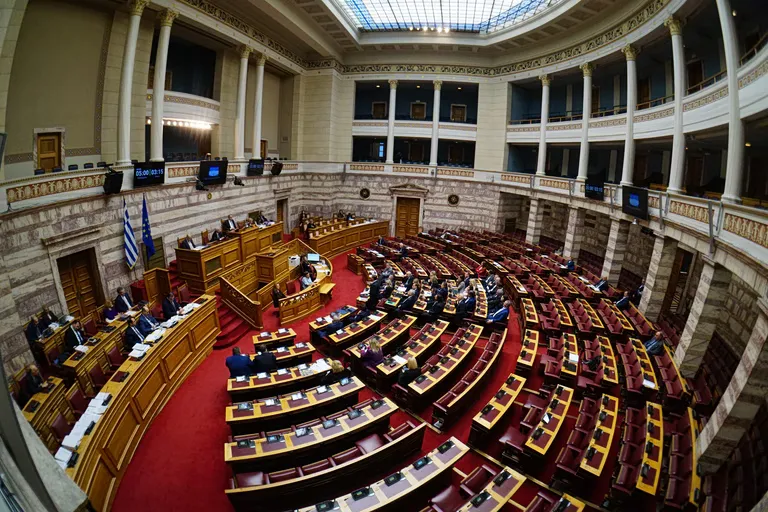
The Democratic victory in both the House and Senate fundamentally alters the legislative landscape for the Trump administration. While the President retains significant executive powers—including the ability to veto legislation and direct trade and foreign policy—the path for large-scale fiscal changes is now blocked by a divided government. Any major economic initiative, such as significant tax cuts or expansive spending programs, will now require bipartisan negotiation rather than unilateral Republican implementation.
This shift moves the center of gravity from executive decree to congressional negotiation. The White House must now find a middle ground to pass budgets and economic measures, a process that often leads to legislative gridlock. Consequently, the immediate expectation is a slowdown in the pace of new fiscal interventions, as the President's ability to push through a purely partisan economic agenda has been severely curtailed.
The limits of executive power in a divided Congress
It is a misconception that the election results grant Democrats total control over the US economy. The President remains a potent force in areas where executive authority is broad. Specifically, in matters of international trade, the administration can still utilize tariffs and executive orders to influence global commerce. Furthermore, the President's veto power serves as a significant check against any Democratic-led legislation that contradicts his administration's core priorities. The result is not an immediate reversal of economic policy, but rather a shift toward a more cautious, negotiated approach to governance.
What is the impact on US debt and the strength of the dollar?
Market reactions to the midterm results have been characterized by a retreat in the US dollar and a decline in bond yields. Investors are pricing in a scenario where Democratic control of Congress makes it more difficult for the government to approve massive new spending or aggressive tax cuts, potentially reducing the need for additional federal borrowing. Following the announcement, the yield on the 10-year US Treasury note dropped toward 4.92%, and the dollar hit its lowest level in approximately one month.
However, this initial market relief is tempered by long-term structural concerns. The new political composition of Congress sets the stage for intense confrontations regarding the federal debt ceiling and government funding in 2027. Such political friction could reignite fears regarding the stability of the world's largest sovereign debt market.
The volatility of the 2027 debt ceiling negotiations
Financial institutions, including UBS, had previously warned that changes in congressional dynamics could heighten market volatility during critical fiscal milestones. While the current outcome might limit immediate fiscal expansion, it simultaneously increases the risk of a legislative stalemate. If the 2027 debt ceiling negotiations become a tool for political leverage, the resulting uncertainty could negatively impact global borrowing costs, as US Treasury yields serve as a benchmark for governments and corporations worldwide.
How will trade tariffs and the technology sector respond?
The uncertainty surrounding international trade remains high, as the election does not eliminate the administration's ability to use protectionist tools. Even with a Democratic Congress, the US government maintains significant levers to impose trade restrictions, meaning relationships with China and the European Union remain exposed to potential friction. The electoral outcome does not signal an end to the era of trade tension, but rather a change in how those tensions are managed through legislative versus executive channels.
Simultaneously, the technology sector is facing a new regulatory reality. The Democratic-led Congress is expected to increase oversight of major tech firms, particularly concerning investments in data centers and the rapid expansion of artificial intelligence (AI). This shift has already caused ripples in global markets, with AI-related stocks experiencing initial declines in Asian markets before US indices attempted to recover.
Regulatory shifts in Artificial Intelligence and Big Tech
Investors are now re-evaluating the growth trajectories of companies heavily reliant on AI. The expectation of stricter regulatory frameworks means that the era of unchecked technological expansion may face hurdles. This includes not only antitrust scrutiny but also more rigorous standards for data usage and the environmental impact of massive AI infrastructure. For the technology sector, the challenge will be navigating a more supervised landscape while maintaining the high levels of capital investment that have driven recent market gains.
What are the implications for the European economy?
For Europe, the post-election landscape in Washington presents a complex mixture of opportunities and risks. The weakening of the US dollar and the decline in US bond yields could provide some relief to international financial markets by easing global liquidity pressures. A potentially stronger Euro could also alter the dynamics of energy imports and impact the competitiveness of European exports.
Nevertheless, European policymakers remain wary of the potential for renewed trade volatility. The risk of US-led tariffs or shifts in foreign policy continues to loom, especially as the European economy navigates its own energy transitions and inflationary pressures. The ability of the US to act unilaterally in trade and energy policy means that Europe must remain prepared for sudden shifts in the transatlantic relationship, regardless of the congressional makeup.
FAQ: Global economy after Trump defeat
Will the US election results stop all new trade tariffs?
No, the election does not eliminate the President's ability to use executive tools to impose trade restrictions. While Congress can influence trade legislation, the administration still possesses significant authority to implement tariffs and manage trade relations, particularly regarding China and the EU.
Why did the US dollar fall after the election results?
The dollar fell because investors anticipated that Democratic control of Congress would make it harder to pass large-scale spending and tax cuts. This reduced the expectation of increased federal borrowing, leading to a retreat in the currency's value to a one-month low.
What happens to US bond yields following this shift?
Bond yields, such as the 10-year Treasury, saw a decline toward 4.92% as markets reacted to the potential for more constrained fiscal policy. However, long-term volatility may increase as 2027 debt ceiling negotiations approach.
How will the tech sector be affected by the new Congress?
The tech sector faces increased scrutiny and potential regulation from a Democratic Congress. This is particularly true for companies involved in artificial intelligence and large-scale data center operations, which may face stricter oversight and regulatory hurdles.
Does this change affect European energy costs?
The impact is indirect. A stronger Euro, resulting from a weaker dollar, could influence the cost of energy imports. However, European markets must also contend with the ongoing uncertainty regarding US trade and foreign policy shifts.
Key takeaways
- Democratic control of Congress limits the President's ability to pass unilateral fiscal packages.
- The US dollar reached a one-month low following the election results.
- 10-year US Treasury yields dropped toward the 4.92% level.
- Increased regulatory scrutiny is expected for the AI and technology sectors.
- The 2027 debt ceiling remains a significant long-term risk for market stability.
The path toward 2027 fiscal stability
The immediate aftermath of the US midterm elections suggests a period of transition rather than total policy reversal. While the President's capacity for fiscal expansion is restricted, his influence over trade and executive action remains intact. The true test for the global economy will not be the current legislative stalemate, but the upcoming 2027 debt ceiling negotiations. Whether the new balance of power in Washington fosters stability or introduces deeper systemic volatility remains the defining question for international markets and global growth in the coming years.