What is the core of the Greek proposal at the EU summit?
The Greek government is seeking a temporary relaxation of European fiscal rules to address the immediate burden of high energy costs on its citizens. Prime Minister Kyriakos Mitsotakis has articulated a specific dilemma: a government may possess additional funds through windfall taxes but remain legally unable to deploy them due to strict spending ceilings. The proposal aims to decouple emergency social support from the standard net expenditure limits that govern eurozone stability.
The Greek position, formally communicated to European Commission President Ursula von der Leyen, argues that current fiscal frameworks do not account for the rapid shifts in economic circumstances caused by energy volatility. Athens is specifically requesting that the revenue generated from price hikes—often referred to as windfall profits from energy providers—be permitted to flow directly back to the consumers and businesses most affected by these costs. This would effectively allow the state to act as a buffer without being penalized for exceeding traditional deficit or spending targets.
The logic of targeted interventions
Mitsotakis has emphasized that the goal is not to abandon fiscal discipline but to modernize how it is applied during crises. He argues that calls for reduced energy consumption are insufficient when the economic reality for households is one of extreme pressure. By making interventions targeted and temporary, Greece hopes to demonstrate that the EU can protect its citizens without triggering long-term fiscal instability. The argument rests on the idea that if the state collects extra revenue due to an energy crisis, it is both a social and economic necessity to return a portion of that liquidity to the economy to maintain purchasing power.
How are Greece and Italy aligning their energy demands?
Italy has emerged as a key ally for Greece, with both nations pushing for increased budgetary margins to combat inflation and energy costs. Italian Prime Minister Giorgia Meloni has also addressed the European Commission, seeking similar flexibility to utilize additional revenues and requesting that higher inflation rates be factored more heavily into fiscal assessments. This alignment suggests a growing southern European bloc that prioritizes immediate social protection against the rigidities of Brussels-led austerity or stability rules.
While their technical proposals may differ slightly, the underlying objective remains identical: the creation of a mechanism that allows for rapid, large-scale energy relief. Italian Economy Minister Giancarlo Giorgetti has echoed this sentiment, advocating for the use of available flexibility to provide temporary support to families and enterprises. This shared stance places the EU leadership in a position where they must decide whether to accommodate these regional pressures or maintain a uniform application of fiscal rules across the bloc.
Why is the Eurogroup showing resistance to these requests?
The primary opposition to these requests comes from the defenders of fiscal discipline within the Eurogroup, who fear that frequent exemptions could undermine the credibility of European economic rules. Valdis Dombrovskis, a key figure in EU economic policy, has expressed caution, noting during the Eurogroup meeting on October 8, 2026, that inflationary pressures are already being integrated into state assessments. He warned that continuous exceptions might weaken the very foundation of the rules designed to ensure long-term stability.
The resistance is rooted in several complex economic concerns that go beyond simple rule-following:
- Long-term fiscal burden: Even if an intervention is classified as an "exception," the actual spending still impacts the national budget and can lead to higher debt levels over time.
- Market credibility: There is a significant fear that if markets perceive these exceptions as a retreat from fiscal discipline, the cost of borrowing for EU member states could rise.
- Precedent setting: Regulators worry that granting temporary relief today creates a moral hazard, where governments might rely on "emergency" exceptions for standard economic management.
For officials like Dombrovskis, the priority is ensuring that the pursuit of immediate relief does not jeopardize the sovereign debt markets or the structural integrity of the eurozone's fiscal framework.
What are the potential outcomes of the Brussels negotiations?
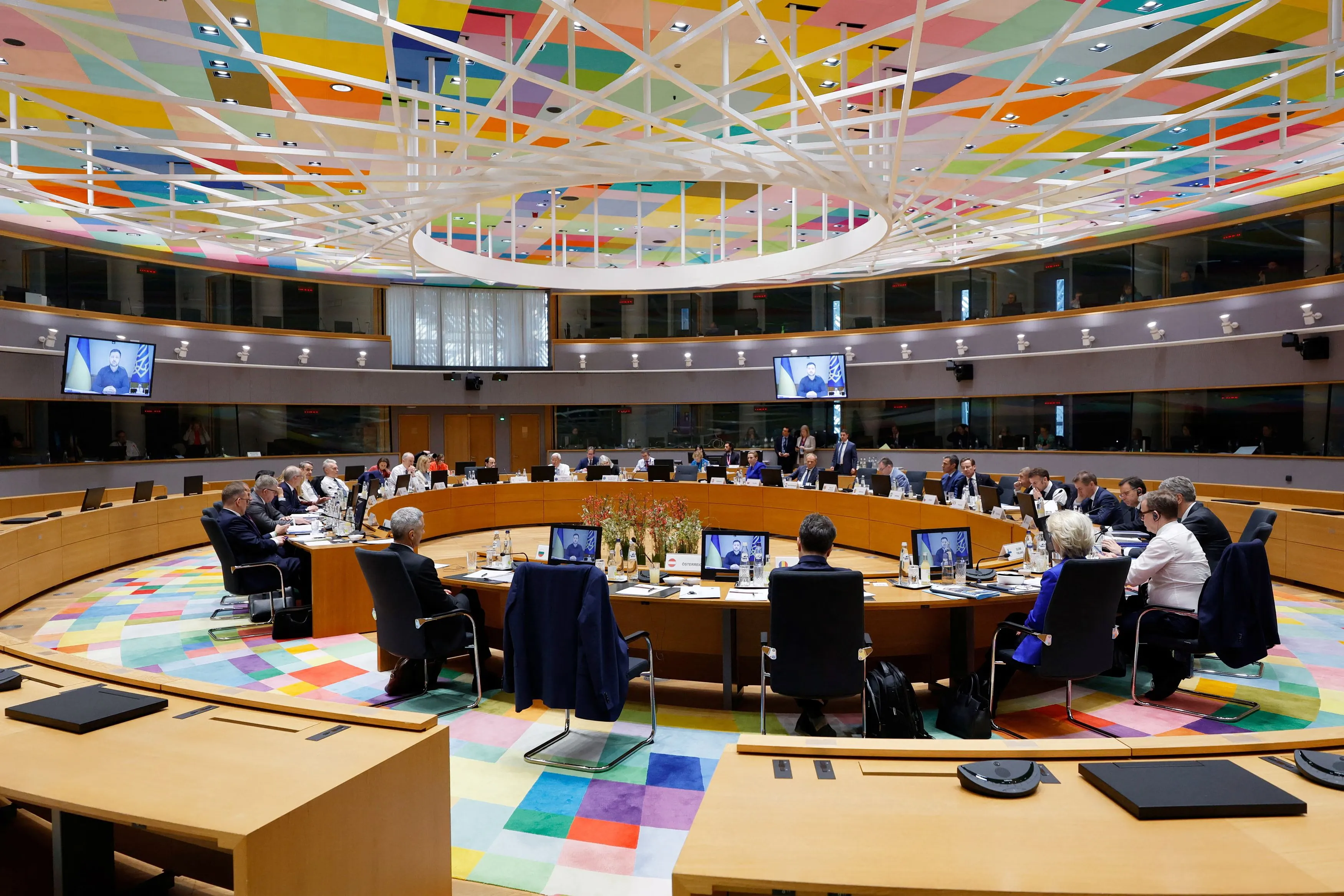
The negotiations in Brussels are moving from technical discussions to the level of heads of state, where the political weight of the energy crisis will be most felt. The official agenda includes searching for directions for the Commission to implement temporary protective measures for citizens and businesses. This is not a new request; since March, the European Council has already been tasked with developing a "toolkit" to address energy volatility.
This toolkit is expected to include several key pillars:
- Mechanisms to address fuel price surges.
- Interventions in electricity cost structures.
- A potential review of the emissions trading system (ETS).
- Strengthening energy infrastructure and networks.
The success of the Greek mission will be measured by whether Mitsotakis can secure the "fiscal space" required to implement these measures. If the summit results in a consensus for flexibility, the Greek government will gain the necessary tools to mitigate the social impact of energy costs. However, if the Eurogroup's cautious stance prevails, the challenge will remain how to support a population facing high costs without violating the legal constraints of the European Union.
Frequently asked questions
What exactly is the Greek request regarding energy costs?
Greece is asking for a temporary exemption from EU spending limits. This would allow the government to use extra tax revenue generated from high energy prices to provide direct relief to households and businesses, ensuring these funds do not count against national spending caps.
Why is Italy supporting the Greek position?
Italy shares the concern that high energy prices and inflation are placing unsustainable pressure on its economy. Prime Minister Meloni and her government are seeking similar flexibility to use additional revenues for social support, creating a unified front with Greece to influence EU policy.
What are the risks of granting these fiscal exceptions?
The main risks involve undermining the credibility of EU fiscal rules and potentially increasing the cost of national debt. Critics argue that frequent exceptions could signal a lack of discipline to financial markets, leading to higher interest rates for eurozone countries.
How does the EU plan to address energy volatility generally?
The European Council has been working on a toolkit since March. This includes measures to manage fuel price spikes, interventions in electricity costs, and reviewing the emissions trading system to ensure the energy transition remains affordable during crises.
Will these measures be permanent?
No, the proposals from both Greece and Italy emphasize that these interventions should be temporary and targeted. The goal is to address the immediate energy crisis without creating permanent structural changes to the European Union's fiscal framework.
Key takeaways
- Greece seeks temporary EU fiscal exemptions to use windfall tax revenues for energy relief.
- Italy is aligning with Greece to demand greater budgetary flexibility for social protection.
- Eurogroup officials warn that frequent exceptions could undermine fiscal rule credibility.
- The EU is developing a toolkit to manage fuel prices and electricity costs.
Conclusion
The upcoming EU summit represents a critical juncture for the relationship between national social needs and European fiscal discipline. As Greece and Italy advocate for the ability to shield their citizens from volatile energy markets, the EU faces the difficult task of balancing immediate humanitarian and economic relief with the long-term stability of the eurozone. While the necessity of energy intervention is widely acknowledged, the mechanism for funding such relief remains a point of intense negotiation. The outcome will determine whether the European Union can provide a flexible, unified response to energy crises or if rigid rules will continue to limit national policy options.