Introduction to Alcohol Units and Standard Drinks
When discussing alcoholic beverages, it's crucial to understand that not all drinks are created equal in terms of their alcohol content. The amount of pure alcohol can vary significantly between different types of beverages, and even within the same category, depending on factors like brand, serving size, and preparation. This variability has important implications for responsible consumption, personal health, and adherence to legal limits, particularly concerning activities like driving. Understanding standard drink sizes and the alcohol by volume (ABV) of various beverages is fundamental to making informed choices.
A 'standard drink' is a concept used to help people track their alcohol intake. While the exact definition of a standard drink can vary slightly by country, it generally refers to a specific amount of pure alcohol. For instance, in many regions, one standard drink contains approximately 10 to 14 grams of pure alcohol. This standardization allows for a more accurate comparison of the intoxicating effects across different types of alcoholic beverages, which might otherwise seem incomparable due to their varied serving sizes and concentrations.
The Alcohol Content of Popular Beverages
Let's delve into the alcohol content of some widely consumed drinks, examining how their compositions differ and what this means for consumers.
Beer
Beer is one of the most consumed alcoholic beverages globally, known for its refreshing qualities and diverse range of styles. The alcohol content in beer typically ranges from 4% to 6% ABV for most lagers and ales. However, craft beers and specialty brews can have significantly higher ABVs, sometimes reaching 8%, 10%, or even more in certain strong ales or imperial stouts. A standard serving of beer is often considered to be a pint (approximately 500 ml) or a bottle (330 ml). At 5% ABV, a 330 ml bottle of beer contains roughly 16.5 ml of pure alcohol, while a 500 ml pint would contain about 25 ml. This means that even a single large beer can contribute substantially to one's alcohol intake, and consuming multiple beers can quickly elevate blood alcohol levels.
Wine
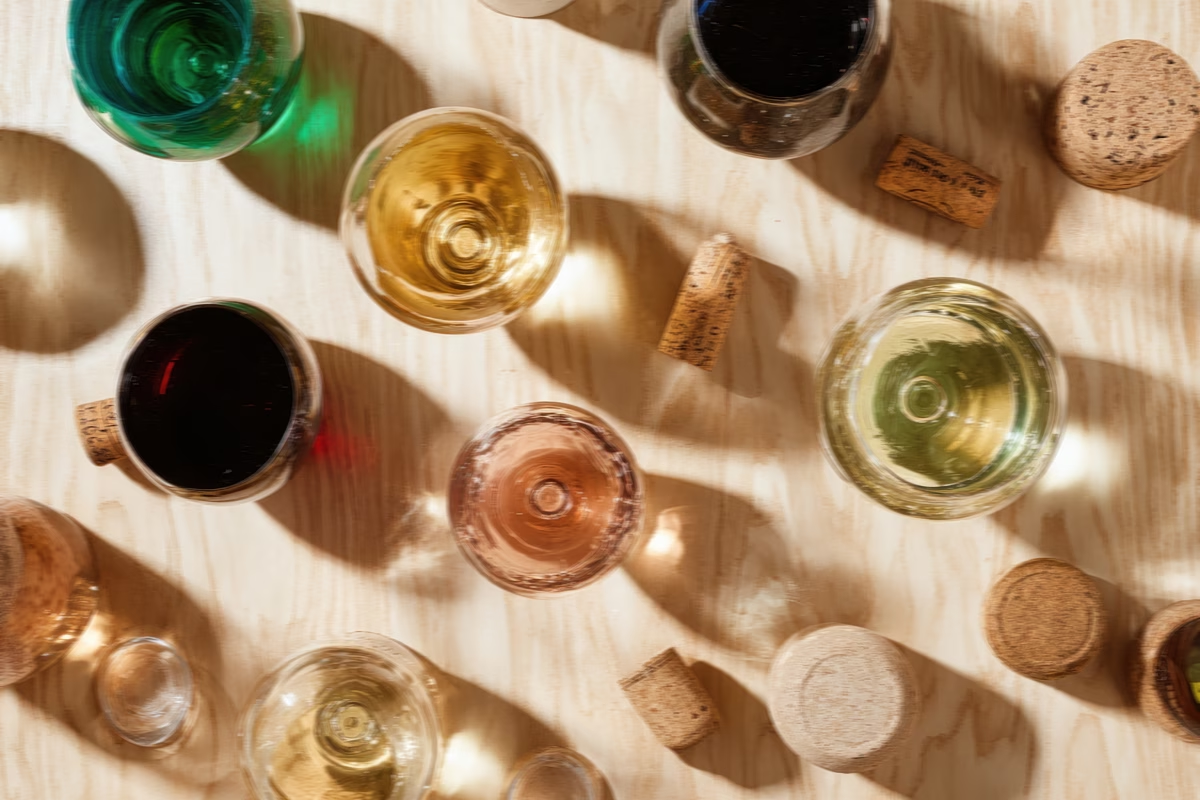
Wine, with its rich history and cultural significance, also presents a broad spectrum of alcohol content. Most table wines, including reds, whites, and rosés, typically contain between 11% and 14% ABV. Fortified wines, such as Port or Sherry, can have much higher concentrations, often ranging from 15% to 20% ABV, and sometimes even higher. A standard serving of wine is generally considered to be 150 ml. Therefore, a 150 ml glass of wine at 13% ABV contains approximately 19.5 ml of pure alcohol. It is easy to underestimate the alcohol in wine, as a single glass can contain more pure alcohol than a standard serving of beer, despite beer's larger volume.
Ouzo
Ouzo is a distinctive anise-flavored aperitif widely popular in Greece and Cyprus. It is a strong spirit, typically containing 37.5% to 45% ABV. Ouzo is traditionally served in a small glass, often diluted with water, which turns the clear liquid cloudy due to the ouzo effect (an emulsion of essential oils). A common serving size for ouzo might be 30-60 ml before dilution. A 40 ml serving of ouzo at 40% ABV contains 16 ml of pure alcohol, which is comparable to a small bottle of beer or a glass of wine. The potent nature of ouzo means that even a small, undiluted serving can have a significant alcoholic impact, and its pleasant taste when mixed with water can sometimes mask its strength, leading to overconsumption.
Tsipouro
Tsipouro is another potent Greek spirit, often compared to Italian grappa or Turkish raki. It is a pomace brandy made from the distillation of the residue of the wine press. Tsipouro typically has an ABV ranging from 40% to 45%, though some artisanal varieties can be even stronger. Similar to ouzo, it is usually served in small shots, either neat or with a small amount of water or ice. A 30 ml shot of tsipouro at 42% ABV contains approximately 12.6 ml of pure alcohol. While a single shot may seem small, the high alcohol concentration means that multiple shots can quickly accumulate, leading to elevated blood alcohol levels. It is often consumed slowly alongside mezedes (small dishes), which can sometimes lead to a delayed perception of its effects.
Factors Influencing Alcohol Absorption and Effects
Beyond the inherent alcohol content of a beverage, several other factors influence how alcohol affects an individual. These include body weight, gender, metabolism, whether food has been consumed, and the rate of drinking. For instance, alcohol is absorbed more slowly when consumed with food, as food helps to line the stomach and reduce the rate at which alcohol enters the bloodstream. Conversely, drinking on an empty stomach can lead to a much quicker and more intense intoxicating effect.
Gender also plays a role, as women generally have less body water and lower levels of the enzyme alcohol dehydrogenase, which metabolizes alcohol in the stomach, leading to higher blood alcohol concentrations (BACs than men after consuming the same amount of alcohol. Body weight is another crucial factor; a larger individual typically has more body water to dilute the alcohol, resulting in a lower BAC compared to a smaller person consuming the same amount.
Legal Limits and Responsible Consumption
Understanding the alcohol content of different drinks is not just about personal health; it's also vital for adhering to legal limits, especially concerning driving. Most countries have strict blood alcohol concentration (BAC) limits for drivers. Exceeding these limits can result in severe legal penalties, including fines, license suspension, and even imprisonment. The legal BAC limit in many places is 0.05% or 0.08%, which can be reached surprisingly quickly depending on the type and quantity of alcohol consumed, and individual physiological factors.
For example, a person might reach the legal limit after just one or two standard drinks, particularly if they are smaller in stature or drinking on an empty stomach. The common misconception that one can 'sober up' quickly by drinking coffee or taking a cold shower is false; only time allows the body to metabolize alcohol. On average, the liver processes about one standard drink per hour. Therefore, if planning to drive, the safest approach is to abstain from alcohol entirely or arrange for alternative transportation.
"Responsible consumption involves not only being aware of how much you're drinking but also understanding the specific alcohol content of each beverage and how it interacts with your body."
In conclusion, the alcohol content varies significantly across different beverages, from the relatively lower percentages in beer to the higher concentrations found in wine, ouzo, and tsipouro. Being informed about these differences, understanding standard drink sizes, and recognizing the factors that influence alcohol absorption are all critical components of responsible drinking. This awareness helps individuals make safer choices, protect their health, and comply with legal requirements, particularly when it comes to activities like driving.