Strakosha's Pre-Match Commentary
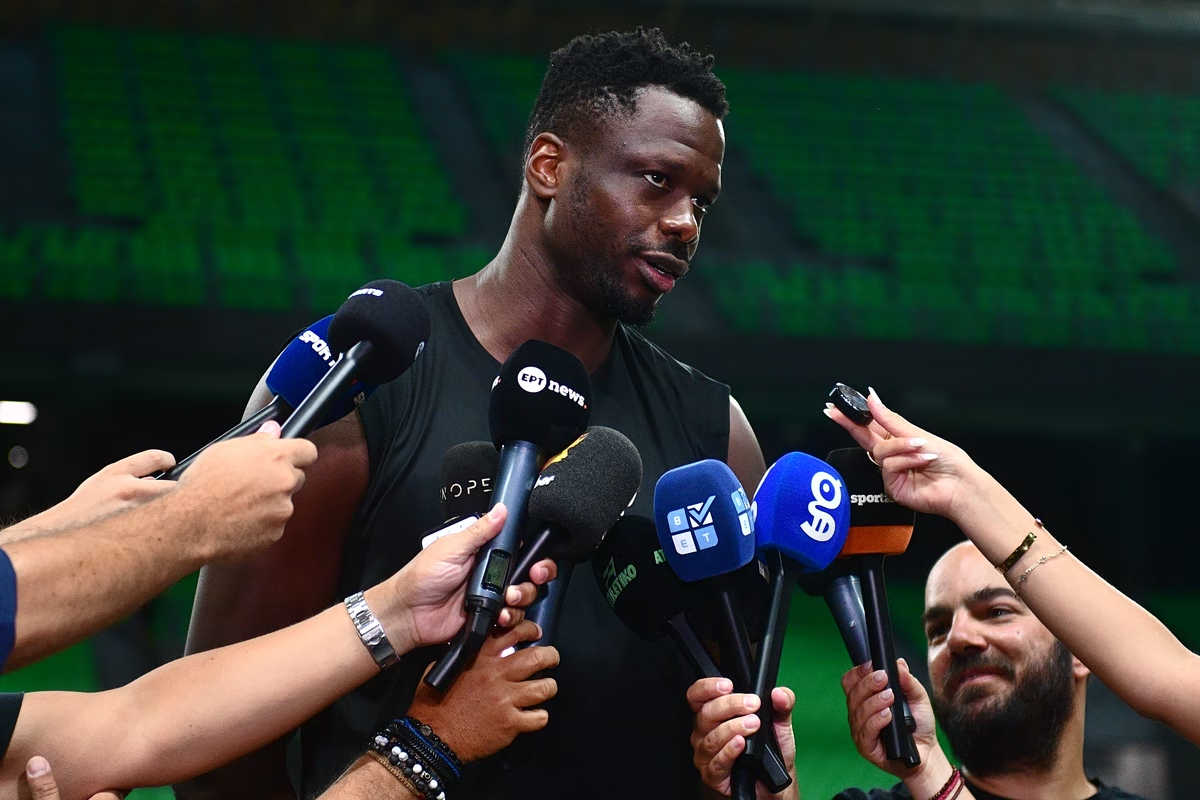
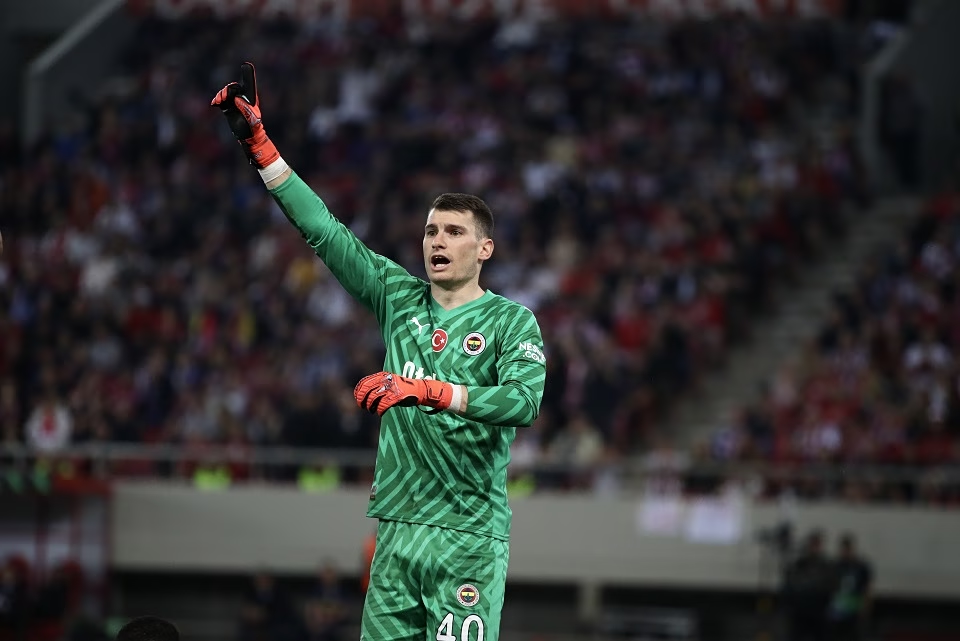
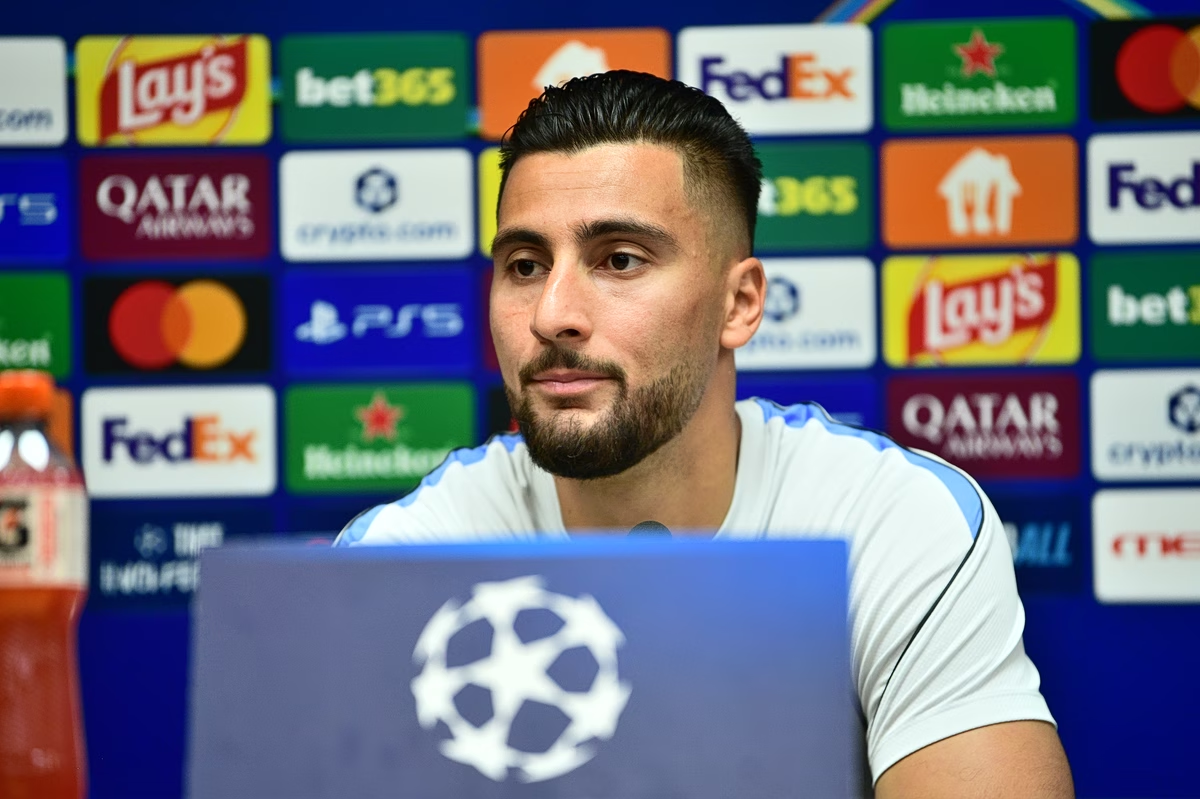
Thomas Strakosha, the seasoned goalkeeper for AEK Athens, recently shared his insights regarding the highly anticipated return leg of the Champions League playoffs against Levski Sofia. His comments highlighted the critical role of the team's collective will and determination in achieving their objective of progressing to the prestigious group stage of the competition. The fixture represents a pivotal moment for AEK, with the stakes exceptionally high as they vie for a coveted spot among Europe's elite football clubs.
Strakosha's remarks come at a crucial juncture, as both teams prepare for what promises to be an intense and closely contested encounter. The first leg of the playoff tie set the stage for a thrilling conclusion, and the Albanian international's statements reflect a clear understanding of the mental fortitude required to succeed in such high-pressure environments. His focus on the team's internal drive suggests a belief that their performance will ultimately be dictated by their desire to win.
The Imperative of Desire and Commitment
In his address, Strakosha stressed that the onus is on AEK to unequivocally demonstrate their greater ambition for qualification. "It is in our hands to prove that we want qualification for the Champions League more," he stated, a sentiment that resonates deeply within the competitive landscape of professional football. This emphasis on intrinsic motivation suggests that while tactical preparation and individual skill are undoubtedly important, the sheer force of will can often be the differentiator in tight contests.
This philosophy is particularly pertinent in knockout stages of tournaments like the Champions League, where emotional resilience and an unyielding spirit can swing momentum. Strakosha's experience at top-tier clubs has likely ingrained in him the understanding that success at this level often hinges on more than just technical ability; it requires an almost palpable hunger for victory. His words serve as a rallying cry, urging his teammates to tap into their deepest reserves of motivation.
Analyzing the Opponent: Levski Sofia
While Strakosha's primary focus was on AEK's internal state, the context of their opponent, Levski Sofia, cannot be overlooked. Levski, a reputable club in their own right, will undoubtedly present a formidable challenge. They will arrive with their own aspirations and a determination to thwart AEK's ambitions. Understanding Levski's strengths and potential weaknesses will be crucial for AEK's tactical approach, but Strakosha's comments imply that even the most meticulous planning might fall short without the requisite desire.
The first leg would have provided AEK's coaching staff with valuable insights into Levski's playing style, key players, and strategic tendencies. However, the nature of a second leg, particularly in a European knockout tie, often means that psychological factors come to the fore. A team's ability to withstand pressure, maintain composure, and seize opportunities under duress can be as important, if not more so, than their technical superiority. Strakosha's call for greater desire might also be a subtle acknowledgment of the quality and resolve that Levski Sofia brings to the pitch.
The Significance of Champions League Qualification
For AEK Athens, securing a place in the Champions League group stage carries immense significance, both financially and in terms of prestige. Participation in Europe's premier club competition offers substantial financial benefits through prize money, television rights, and increased sponsorship opportunities. These funds can be reinvested into squad development, infrastructure, and overall club growth, creating a positive feedback loop for sustained success.
Beyond the financial incentives, Champions League qualification elevates a club's profile on the international stage. It provides an opportunity for players to compete against the best teams and individuals in Europe, enhancing their professional development and attracting new talent. For the fans, it represents the pinnacle of club football, offering thrilling encounters and moments of glory. Strakosha's emphasis on desire therefore reflects not just a personal ambition but an understanding of what this achievement means for the entire club and its passionate supporters.
Team Dynamics and Leadership
As a goalkeeper, Strakosha occupies a unique position on the field, offering a panoramic view of the game and often serving as a vocal leader. His comments ahead of such a crucial match underscore his role as an influential figure within the squad. His ability to articulate the importance of mental attributes like desire and commitment can have a profound impact on his teammates' mindset.
Leadership in football extends beyond the captain's armband; it involves individuals stepping up in moments of truth to inspire and motivate. Strakosha's public statement serves this purpose, setting a tone of unwavering resolve for the team. It suggests a healthy team dynamic where players are encouraged to take ownership of their collective destiny and push each other towards achieving their shared goals. The collective response to his call for heightened determination will be a key indicator of AEK's readiness for the challenge.
Preparation and Strategy
While Strakosha focused on the psychological aspect, the team's preparation for the return leg would undoubtedly involve meticulous tactical planning. Coaches would be analyzing every facet of Levski Sofia's game, from their defensive organization to their attacking patterns. Set-piece routines, individual player matchups, and potential substitutions would all be discussed and rehearsed.
However, even the most elaborate strategy requires flawless execution, which in turn depends on the players' mental state. A team that is highly motivated and deeply committed is more likely to adhere to the game plan, adapt to unforeseen circumstances, and fight for every ball. Strakosha's message, therefore, complements the tactical preparations by ensuring that the players are in the optimal mental framework to implement what has been practiced on the training ground.
The Role of Home Advantage
The return leg will likely be played in front of AEK's home crowd, an element that can significantly influence the outcome. The passionate support of the fans can create an intimidating atmosphere for the visiting team and provide a crucial boost to the home side. Strakosha's call for heightened desire might also be implicitly aimed at harnessing this home advantage, transforming the stadium into a cauldron of unwavering support that propels AEK forward.
The energy from the stands can fuel players, helping them push through fatigue and moments of doubt. It can also unnerve opponents, leading to errors or a reduction in their confidence. A team that is perceived to be fighting with every fiber of their being is more likely to galvanize their supporters, creating a powerful synergy between the players and the crowd. This collective will, both on and off the pitch, can be a decisive factor in securing qualification.
Conclusion: A Test of Character
The upcoming Champions League playoff return leg is more than just a football match; it is a test of character, resilience, and unwavering determination for AEK Athens. Thomas Strakosha's pre-match comments have set a clear agenda: the team must demonstrate unequivocally that their desire for qualification surpasses that of their opponents. This emphasis on mental fortitude, coupled with diligent tactical preparation and the potential boost from home support, will be crucial in determining whether AEK achieves their ambition of reaching the Champions League group stage. The stage is set for a captivating encounter where the team that wants it more may indeed emerge victorious.