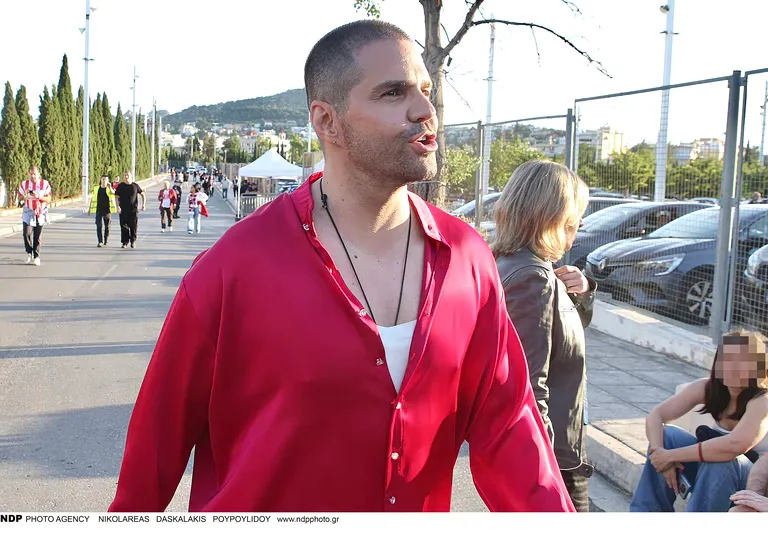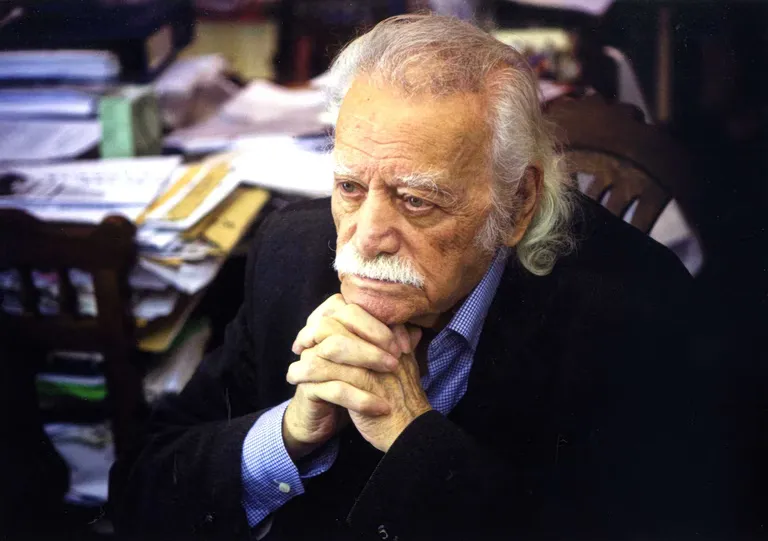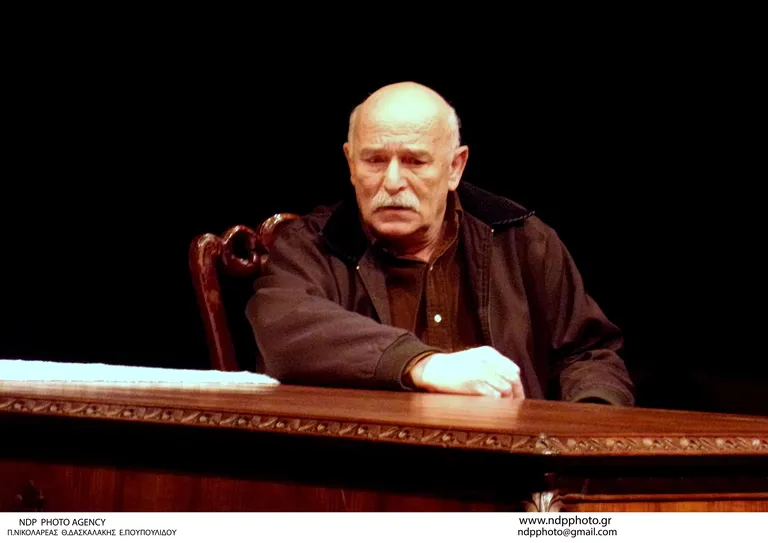
Antonis Antoniou career highlights a resilient journey through the demanding landscapes of Greek theatre and cinema. During a recent appearance on "The 2Night Show" with Grigoris Arnaoutoglou, the veteran actor reflected on his unconventional beginnings and the professional sacrifices required by his craft. From studying mechanical engineering to winning a first prize at the Thessaloniki Film Festival in 1981, Antoniou has navigated fame and public misconception. This article examines his artistic evolution, the socioeconomic challenges of his early years, and the lasting impact of his most provocative roles on public perception.
How did the Antonis Antoniou career begin?
The professional journey of Antonis Antoniou was sparked by an unexpected series of letters from two dramatic schools that arrived at his family home. While his father initially handled the correspondence, these documents served as the catalyst for a lifelong commitment to the arts. Interestingly, his path was not linear; at age 16, he initially enrolled in the Sevastopoulo School to study mechanical engineering and electrical studies.
It was only after experiencing the atmosphere of a drama school that Antoniou realized his true vocation. Although he completed studies at the National School, he found the environment unappealing. This led him to pursue a scholarship at the prestigious school of Kouros, where he dedicated three years to honing his craft. This period of formal training established the foundation for a career defined by a deep, almost spiritual connection to the stage.
The influence of classical training
Antoniou has often expressed profound respect for the teachings of Kouros, particularly regarding the sanctity of the theatrical space. He aligns himself with the philosophy that the universe of a performer should be centered entirely within the theatre, requiring intense concentration and a rejection of the distractions often found in mainstream television. This disciplined approach helped him transition from a student of engineering to a serious practitioner of dramatic arts.
What were the economic realities of his early years?
Financial instability was a constant companion during the formative stages of the Antonis Antoniou career. To support his artistic ambitions, the actor engaged in a diverse array of manual labor sectors, including construction, carpentry, and even working in a small shop selling cheese pies (tyropitadika). These roles were not mere detours but essential means to sustain his lifestyle while refusing to abandon the theatre.
For Antoniou, theatre is not simply a job but a way of living, thinking, and perceiving the world. He describes it as a vocation that demands everything from the performer without offering any guarantees of stability or success. This philosophy allowed him to endure periods of scarcity, viewing the struggle as a necessary component of a life dedicated to art. He maintains that if one truly loves the craft, the lack of financial security is a secondary concern to the pursuit of creative truth.
How did cinematic success impact his public image?
A pivotal moment in the Antonis Antoniou career was his involvement in the film "Parangelia," a production that served as a major milestone in his professional trajectory. Antoniou had actively pursued the role of Nikos Koemtzis and eventually met the actor, a connection that deepened his engagement with the project. His performance contributed to the film's significant cultural footprint, eventually earning him the First Prize at the Thessaloniki Film Festival in 1981.
However, this cinematic success brought with it a complex social burden. The film's impact was so profound that it shaped the public's consciousness, often leading to him being identified by his characters in everyday life. On the streets, passersby would frequently greet him as "Hello, Nikos!", demonstrating how deeply the character had permeated the collective memory of the Greek audience.
The controversy of "Kokkino Kyklo"
One of the most striking revelations from his interview involves the social consequences of his role in the production "Kokkino Kyklo." Antoniou recounted a specific instance where a local baker refused to sell him bread due to the nature of his character in the film. The role involved portraying a figure of violence, and the social stigma was so intense that it affected his most basic daily interactions.
The actor noted that the actress playing his daughter in the film was from a neighboring village, and the local community's reaction was visceral and immediate. This anecdote serves as a stark reminder of the thin line between artistic portrayal and public perception, where the character's actions are often unfairly attributed to the performer's actual persona.
What role has television played in his professional life?
Television provided a different kind of challenge for the Antonis Antoniou career, characterized by initial resistance from industry veterans. He shared that during his early television work, specifically in a series directed by Koutsomitis, he faced significant skepticism. The director initially feared him, perceiving him as an "aggressive" or "wild" individual based solely on his previous cinematic roles.
This tension highlights the difficulty of transitioning between the high-art prestige of the theatre and the more commercial, often misunderstood realm of television. Despite the initial friction, Antoniou continued to navigate these different mediums, balancing his high artistic ambitions with the practical realities of being a working actor in a changing media landscape.
What does the future hold for the actor?
Despite a career spanning decades and filled with both triumphs and hardships, Antoniou remains driven by future ambitions. He expressed a fundamental inability to imagine a life of inactivity, stating that he would feel lost if he were to stop working. His life has been a mixture of intense adventures and periods of deprivation, yet he views his choices with a sense of fulfillment.
Reflecting on his personal life, he noted that while he would not change much about his journey, the one significant alteration he would make would be meeting his partner, Natassa, much earlier in his life. This personal sentiment underscores the human element behind the public figure, suggesting that while his professional life was defined by struggle and art, his personal life remains his most cherished anchor.
Frequently asked questions
How did Antonis Antoniou start his acting career?
Antoniou began after receiving unexpected admission letters from two drama schools. Although he initially studied mechanical engineering at the age of 16, he realized his true passion for acting after visiting a drama school, eventually studying under Kouros for three years on a scholarship.
What was his most significant film achievement?
His most notable cinematic milestone was the film "Parangelia." His work in this production was highly acclaimed, leading to him winning the First Prize at the Thessaloniki Film Festival in 1981, a role that left a lasting impression on Greek cinema.
Did his roles affect his daily life?
Yes, his roles caused significant social friction. Specifically, his part in "Kokkino Kyklo" led to a local baker refusing to sell him bread because the character was perceived as violent, illustrating how the public often conflates an actor with their role.
What kind of jobs did he hold to support himself?
To sustain his passion for theatre, Antoniou worked various manual labor jobs. These included working in construction, a carpentry workshop, and a small shop selling cheese pies, ensuring he could continue his artistic pursuits despite financial instability.
Does he plan to retire from acting?
Antoniou does not intend to retire. He expressed that he has many ambitions left and cannot imagine staying at home, viewing theatre as a lifelong way of living and thinking that requires constant engagement.
Key takeaways
- Antonis Antoniou transitioned from mechanical engineering studies to professional acting via a scholarship at the Kouros school.
- He won the First Prize at the 1981 Thessaloniki Film Festival for his role in the film "Parangelia."
- The actor maintained financial independence through diverse manual labor, including construction and carpentry.
- His role in "Kokkino Kyklo" caused social backlash, including being refused service by local vendors.
- Antoniou views theatre as a fundamental way of life rather than just a professional career.
Conclusion
The Antonis Antoniou career is a testament to the resilience required by the performing arts. By navigating the complexities of social stigma, financial hardship, and the transition from technical studies to dramatic mastery, he has secured a unique place in Greek cultural history. His journey reflects a broader truth about the artistic life: it is a path of immense dedication that often demands personal sacrifice. Ultimately, Antoniou’s ability to remain driven by ambition, despite the challenges of public perception, defines his enduring legacy as both a performer and a dedicated student of the craft.