Why is Octav Darrum warning the Louvre about security gaps?
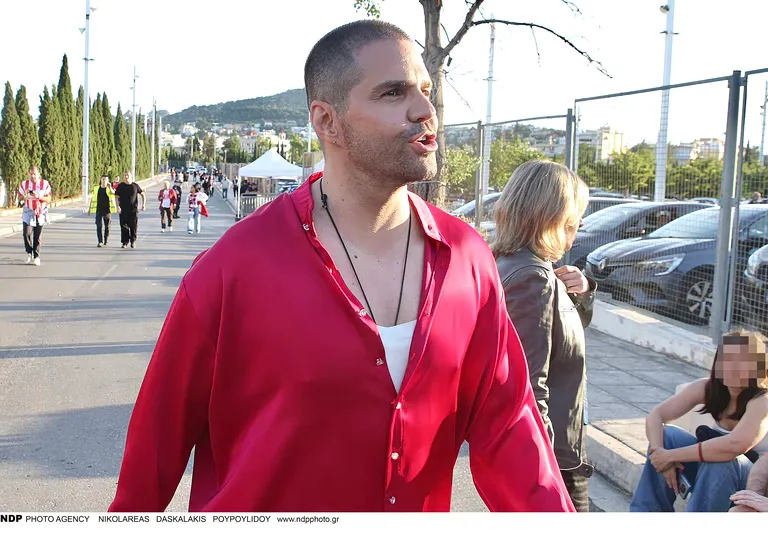
Octav Darrum, a 53-year-old former criminal, claims he could still successfully infiltrate the Louvre museum today. Speaking to CNN, Darrum questioned why his expertise is not being utilized to bolster the institution's defenses. His warnings stem from a personal history of high-stakes crime, including bank robberies, vault breaches, and armored vehicle thefts.
Darrum gained international notoriety in 2002 when he and an accomplice stole two paintings from the Van Gogh Museum in Amsterdam. Following his imprisonment, he transitioned from a perpetrator to an asset in the fight against art crime. He now works alongside Arthur Brand, a Dutch detective often referred to as the 'Indiana Jones of the art world,' to track down stolen masterpieces. Their collaboration led to a significant victory in 2023 when a Van Gogh painting was recovered and delivered to Brand inside an IKEA bag.
How have museum security measures failed to evolve?
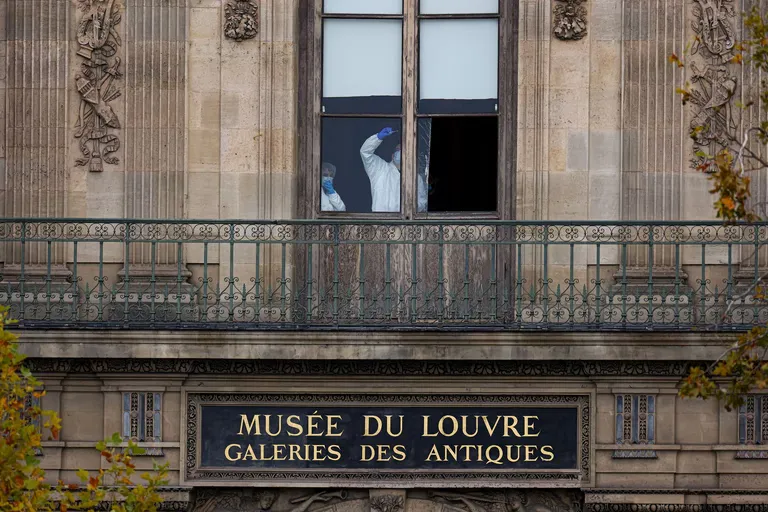
Current security protocols at the Louvre are criticized for being reactionary rather than proactive. According to Darrum, the museum has focused heavily on reinforcing the specific entry points used during previous thefts, which creates a false sense of security. By concentrating resources on known vulnerabilities, the institution inadvertently leaves other areas of the massive complex exposed to new methods of intrusion.
Security experts suggest that modern museum protection is often too reliant on technology that can be bypassed. While surveillance cameras are a standard feature, they do not replace the need for highly trained personnel and rapid response protocols. Effective defense requires a multi-layered approach that includes:
- Constant human surveillance and physical presence.
- Robust, tested alarm systems that are resistant to tampering.
- Comprehensive emergency response plans that are regularly practiced.
- Physical barriers and display cases that are integrated into the building's architecture.
The limitations of camera-based surveillance
A common misconception in museum management is that high-definition camera coverage is sufficient to deter theft. However, security professionals note that cameras are often passive tools that record a crime rather than preventing one. Without immediate human intervention, a thief can often complete a theft and exit the premises before security is even alerted. This is particularly dangerous in large-scale institutions where response times can be delayed by the sheer size of the building.
What is the impact of the rising trend in European art theft?
The vulnerabilities at the Louvre are part of a broader, more alarming trend across the European continent. Recent months have seen a surge in thefts targeting museums in France, Italy, and Austria. These crimes are not limited to small items; they involve high-value works by masters such as Renoir, Cézanne, and Matisse, as well as significant Renaissance pieces and luxury items like a four-million-dollar diamond necklace.
According to a recent report from Europol, criminal organizations are becoming increasingly bold in their tactics. Instead of subtle methods, many thieves are now employing heavy tools or even explosives to gain access to collections. This escalation in violence and technical sophistication poses a direct threat to the physical integrity of both the artworks and the historical buildings that house them.
Why are museums considered easy targets compared to other sectors?
Museums are increasingly viewed as more accessible targets than banks or jewelry stores. As criminal focus shifts away from traditional financial institutions—which now hold less cash and possess superior electronic defenses—the art world has become a primary objective. Arthur Brand notes that the success of the Louvre heist has served as a proof-of-concept for other criminals, encouraging them to target smaller, local museums.
Several structural factors contribute to this vulnerability:
| Sector | Primary Defense Mechanism | Current Vulnerability Level |
|---|---|---|
| Banking | Digital encryption & minimal cash | Low |
| Jewelry Stores | Advanced electronic monitoring | Moderate |
| Museums | Historical buildings & public access | High |
Unlike banks, many European museums are housed in historic structures that were never designed with modern security in mind. Furthermore, the fundamental mission of a museum—to be open to the public—creates an inherent conflict with the need for strict security. Security expert Ibrahim Balout explains that criminals often perform reconnaissance visits, identifying the most accessible items and planning operations that can be completed in less than three minutes.
How can cultural heritage be better protected?
Protecting cultural heritage requires a fundamental shift in how institutions view security spending. Linda Albertson, head of the Art Crime Research Association, argues that many organizations mistakenly treat security as an optional or secondary expense. She suggests that as long as cultural heritage is viewed as "invaluable," but its protection is treated as a discretionary cost, the risk of theft will remain high.
To mitigate these risks, the industry must move toward a model of integrated security. This includes not only better technology but also better human intelligence. Utilizing the insights of former criminals, like Octav Darrum, could provide museums with a "red team" perspective, allowing them to identify flaws in their systems before professional criminal syndicates do. The goal is to move from a reactive posture to a predictive one, where the museum is prepared for the specific, rapid-strike tactics that modern thieves employ.
FAQ: Art Theft and Museum Security
Who is Octav Darrum?
Octav Darrum, also known as the "Dutch Lupin," is a 53-year-old former art thief. After serving time for stealing Van Gogh paintings in 2002, he now works with detective Arthur Brand to help recover stolen artworks and identify criminal networks.
Why are museums vulnerable to theft?
Museums are often located in historic buildings that lack modern security features. Additionally, their requirement to remain open to the public provides criminals with opportunities for reconnaissance, allowing them to plan high-speed thefts that last only a few minutes.
What is the role of Europol in art crime?
Europol monitors criminal trends across Europe. Recent reports from the agency indicate that art thieves are becoming more aggressive, increasingly using heavy machinery and explosives to break into museums and bypass security systems.
Can cameras prevent art theft?
Cameras act primarily as recording devices rather than prevention tools. While they are essential for evidence, security experts argue that without trained staff and rapid response protocols, cameras cannot stop a professional thief from completing a theft quickly.
Is the Louvre currently safe?
While the Louvre has implemented increased security following previous heists, critics like Octav Darrum argue that these measures are insufficient. They suggest that the museum has focused too narrowly on past entry points, leaving other areas vulnerable.
Key takeaways
- Former thief Octav Darrum warns that the Louvre remains vulnerable to new intrusions.
- Criminals are increasingly using explosives and heavy tools to target European museums.
- Museums face unique risks due to their historic architecture and public accessibility.
- Security experts advocate for viewing protection as a mandatory, not optional, expense.
Synthesis of the current security landscape
The warnings issued by Octav Darrum highlight a systemic weakness in the protection of global cultural heritage. As criminal tactics evolve toward high-speed, high-impact operations, the traditional reliance on passive surveillance and reactionary security measures is proving inadequate. The tension between public accessibility and institutional safety remains a central challenge. For museums to safeguard their collections, they must transition from treating security as a secondary operational cost to treating it as a core component of their institutional mission, integrating both advanced technology and human intelligence to counter increasingly sophisticated threats.