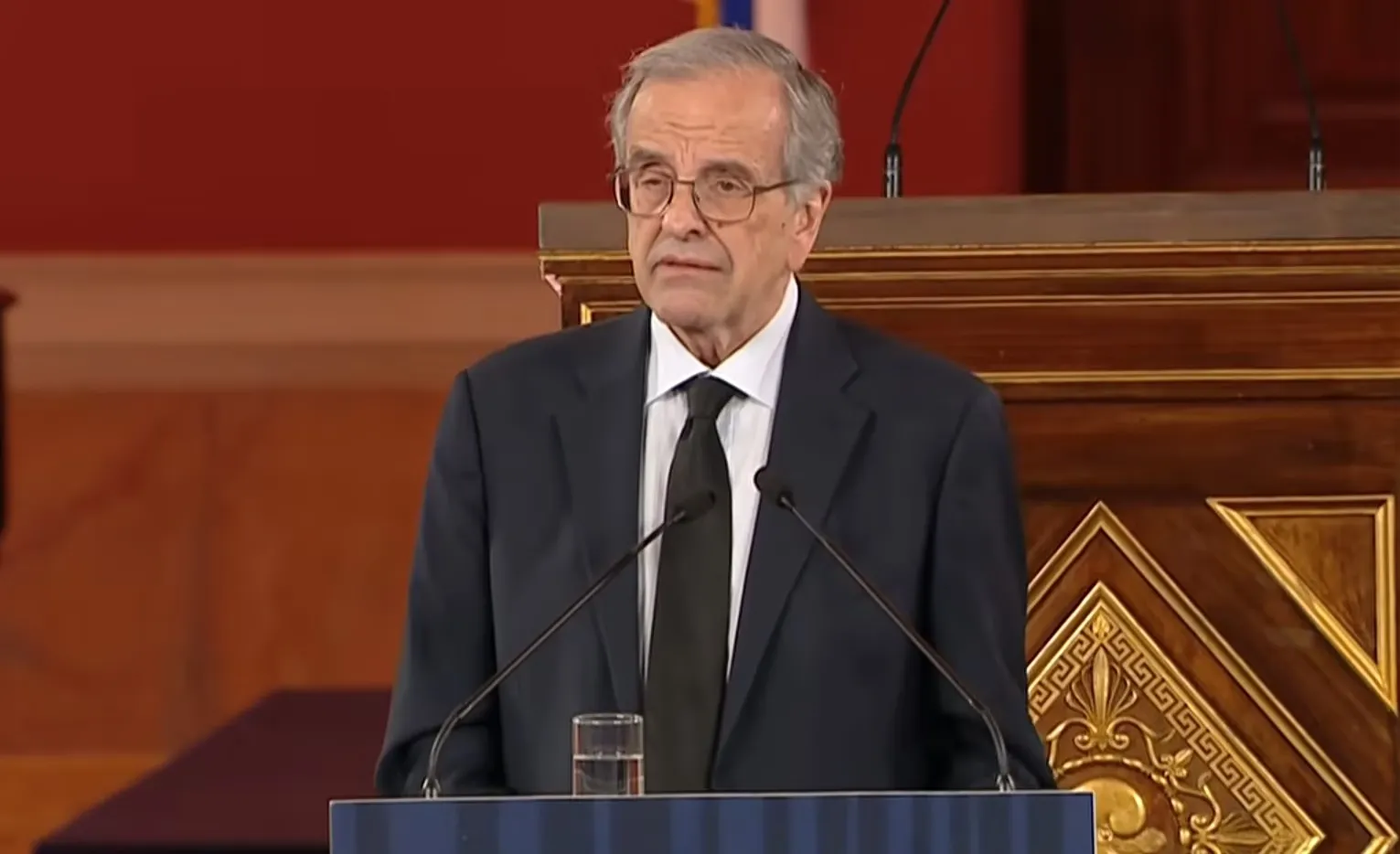
How is the Antonis Samaras new party being organized?
The formation of the Antonis Samaras new party is transitioning from theoretical planning to concrete organizational steps. While official announcements regarding the exact launch date are being strategically timed closer to upcoming elections, the structural groundwork is already well advanced. According to recent reports, the party has already secured its headquarters at the intersection of Ippokratous and Solonos streets in Athens.
The organizational momentum is being driven not only by Samaras himself but also by his spokesperson, Nikos Tsoutsias. Tsoutsias has confirmed that the decision regarding the timing of the official launch rests solely with Samaras, signaling that the existence of the party is no longer a matter of speculation but a political certainty. The former Prime Minister has framed this move as a matter of conscience and duty to the nation, rather than a pursuit of professional political gain.
Logistical and administrative progress
Beyond securing physical offices, the party is actively finalizing its electoral lists. This logistical preparation suggests a readiness to compete in upcoming electoral cycles, moving beyond mere protest politics toward a structured electoral alternative. The selection of candidates indicates an effort to build a diverse coalition of former New Democracy members and regional leaders.
Who are the key figures joining the Samaras movement?
The candidate lists for the new party include several high-profile political figures who have previously distanced themselves from the current New Democracy administration. One of the most notable names expected to run in the Attica constituency is former minister Kostas Tzavaras. Tzavaras, who opted not to run on New Democracy tickets in 2023, represents a significant ideological break from the 'command state' associated with Kyriakos Mitsotakis.
Other strategic appointments include:
- Thanasis Skordas: A close associate of Samaras, expected to represent the party in Western Athens.
- Marios Salmas: The former minister is expected to move from Aetolia-Acarnania to the Northern Athens sector to run for office, potentially creating a direct electoral confrontation with Adonis Georgiadis.
- Ioanna Gelestati: A former New Democracy candidate in Southern Athens who left the governing party citing internal 'mechanisms, conclaves, and intrigues.'
The movement also shows regional ambitions, with figures like Maria Salma, a local government official and former Vice Governor of Aetolia-Acarnania, expected to play a role in the party's broader reach.
What is the ideological strategy against Kyriakos Mitsotakis?
The core of the Samaras strategy is the ideological encirclement of Prime Minister Kyriakos Mitsotakis by framing him as a 'neoliberal manager.' By using this specific terminology, Samaras seeks to strip the current leadership of its traditional conservative credentials, positioning the Mitsotakis administration as being outside the historical framework of values and the 'popular spirit' of the Greek right.
Samaras has argued that the current government's approach is characterized by a 'socially leveling, neoliberal management' that prioritizes market rules over social cohesion and national survival. He contends that this approach leads to a form of 'national complacency' and risks the long-term stability of the Greek state. The strategy aims to appeal to the traditional base of the 'blue' camp—those who feel the current government has abandoned the core principles of the conservative movement in favor of technocratic governance.
The critique of 'managerialism'
The distinction between a political leader and a 'manager' is central to Samaras's rhetoric. He asserts that politics should be about visions, ideas, and the preservation of the democratic polity, whereas the current administration treats the state as an entity to be managed through economic expediency. This critique is designed to resonate with voters who feel alienated by the perceived impersonality of modern governance.
Why does Samaras claim the current government is in decline?
Samaras has issued sharp warnings regarding what he describes as 'signs of decline' within the current political order. He attributes this decline to a lack of moral and selfless standards in state institutions, suggesting that 'immorality and selfishness' have begun to prevail. While he did not name specific incidents, many observers have interpreted his comments as indirect references to recent political scandals, such as the wiretapping controversy.
Furthermore, Samaras criticizes the government's economic philosophy, which he claims ignores the vital relationship between the Greek people and their land. He argues that the 'desertification of the countryside' is a direct result of a policy that substitutes the presence of the state with a 'reductionist economic management' under the guise of market rules. According to Samaras, this materialistic worldview undermines spirituality and collective identity, transforming social and economic classes into an 'anonymous crowd.'
What are the potential impacts on the Greek political landscape?
The emergence of a Samaras-led party introduces a new variable into the competition for the conservative vote. By targeting the 'traditional base' of New Democracy, the new movement seeks to fragment the right-wing electorate. If successful, this could force the governing party to defend its ideological flank more aggressively or attempt to pivot back toward more traditional conservative values to prevent further defections.
The movement's focus on regional candidates and former ministers suggests an attempt to build a national network that can compete with the established machinery of the ruling party. The success of this endeavor will likely depend on whether Samaras can successfully translate his ideological critique into a broad-based electoral movement that transcends his personal political legacy.
Frequently asked questions
What is the primary goal of the Antonis Samaras new party?
The primary goal is to provide an ideological alternative to the current New Democracy leadership. Samaras aims to reclaim the traditional conservative values and 'popular spirit' that he believes have been abandoned by Kyriakos Mitsotakis in favor of neoliberal, managerial governance.
Who are the main candidates for the new party?
Key figures expected to join include former minister Kostas Tzavaras, former minister Marios Salmas, and Thanasis Skordas. These individuals represent a group of politicians who have previously distanced themselves from the current administration's methods and ideological direction.
How does Samaras describe Kyriakos Mitsotakis?
Samaras has explicitly labeled Mitsotakis a 'neoliberal manager.' This term is used to suggest that the Prime Minister focuses on technocratic and economic management rather than the broader political, social, and national visions required of a traditional conservative leader.
Where is the new party based?
The party has already secured its administrative headquarters in Athens, specifically at the intersection of Ippokratous and Solonos streets. This move indicates that the party's organizational phase is well beyond the planning stage.
Will this party compete in the next elections?
Yes, the party is actively preparing its electoral lists and candidate profiles. The strategic timing of the official launch suggests that the movement is being built specifically to compete in the upcoming electoral cycles.
Key takeaways
- Antonis Samaras is forming a new party to challenge the ideological direction of Kyriakos Mitsotakis.
- The party has already secured its headquarters in Athens and is finalizing candidate lists.
- Samaras labels the current administration as 'neoliberal managers' lacking traditional conservative values.
- High-profile figures like Kostas Tzavaras and Marios Salmas are expected to join the movement.
Conclusion
The mobilization of Antonis Samaras marks a significant shift in the Greek political landscape, signaling a formal ideological divorce between the former Prime Minister and the current New Democracy leadership. By framing the Mitsotakis administration as a technocratic entity driven by neoliberal management, Samaras is attempting to mobilize the traditional conservative base that feels disenfranchised by modern political trends. As the party moves from organizational preparation to electoral readiness, its ability to challenge the governing party's dominance will depend on its capacity to turn this ideological critique into a viable, broad-based political alternative.