What are the financial details of the Capital Maritime Finance IPO?
Capital Maritime Finance aims to raise a minimum of €250 million, with the potential to reach €300 million through its current public offering. This capital injection will be facilitated by the issuance of up to 42 million new common shares. The price range for the offering has been set between €7 and €7.68 per share, with the final determination to be made via the Electronic Book of Offers to ensure a uniform price for all participating investors.
The offering has already secured a robust foundation through the commitment of cornerstone investors. These key participants have pledged a total of €70 million toward the issuance, providing significant stability to the process. Furthermore, the structure of the offering ensures broad market accessibility; at least 30% of the shares remaining after the allocation to cornerstone investors are specifically reserved for retail investors. This high level of participation from individual investors is reportedly reaching unprecedented levels, signaling strong local confidence in the maritime sector's entry into the public markets.
Institutional and Retail Participation
Market reports indicate that large foreign institutional portfolios have expressed intense interest by registering in the book of offers. This dual interest—from major international funds and local retail investors—highlights the unique position of this IPO as a bridge between traditional shipping wealth and modern capital market liquidity. The involvement of major financial institutions as advisors and coordinators further underscores the scale of this event.
How does the company plan to use the raised capital?
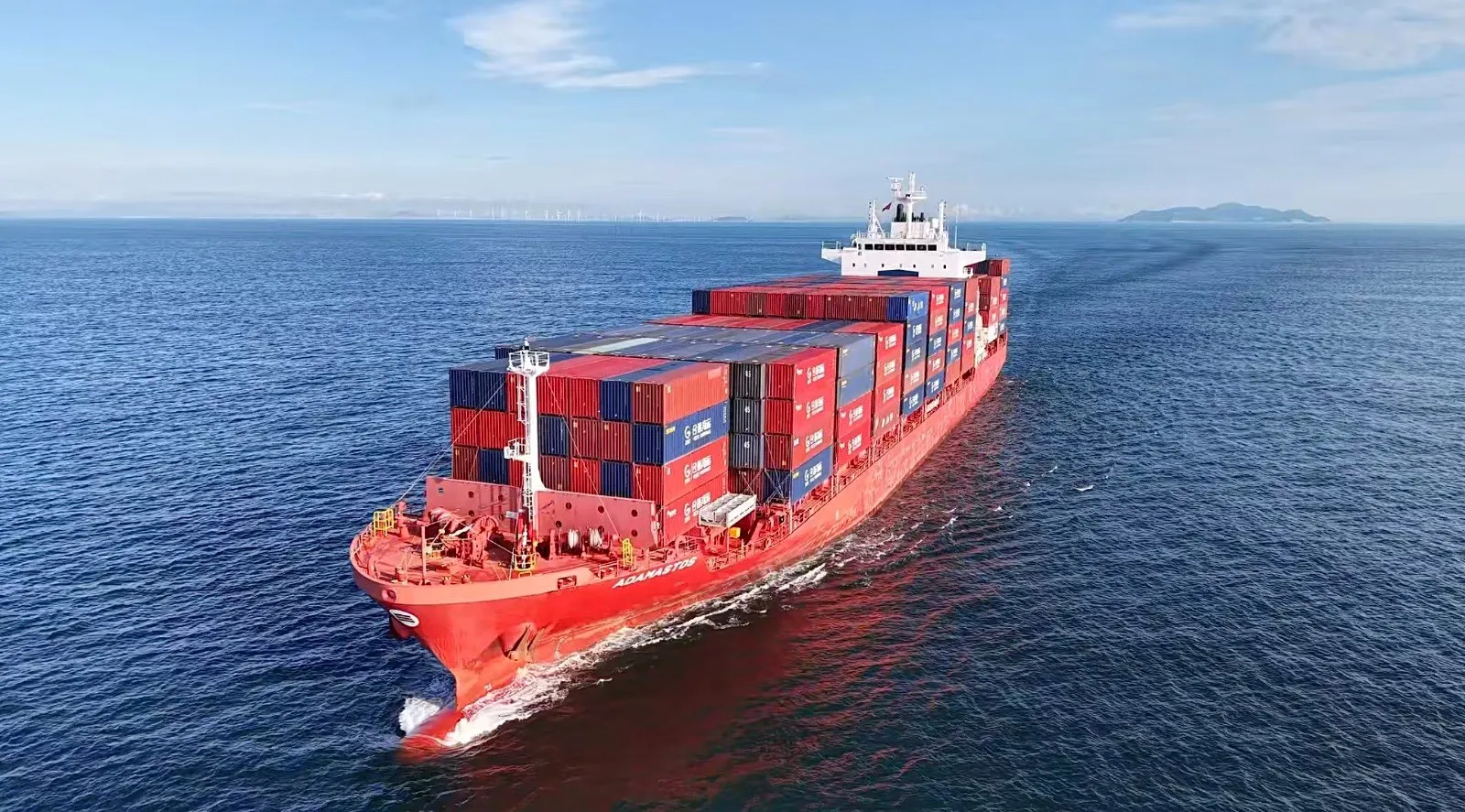
The primary objective for the funds raised is the significant expansion of the company's container shipping fleet. Currently operating with 13 vessels, Capital Maritime Finance has outlined an ambitious investment program to grow this number to 36 container ships by the end of 2028. The capital from the IPO is earmarked to finance the acquisition of these additional vessels, which is central to the company's long-term growth strategy.
By increasing the fleet size, the company intends to strengthen its footprint in the international maritime transport market. The transition from 13 to 36 vessels represents a nearly threefold increase in capacity, a move designed to leverage economies of scale and enhance the company's competitive standing globally. This expansion is not merely about volume but about strategic positioning within the containerized cargo segment.
What is the business model and risk management strategy?
Capital Maritime Finance operates within the container shipping sector using a business model centered on long-term time charters with fixed freight rates. This specific approach is designed to ensure predictable cash flows and protect the company from the inherent volatility of the spot freight market. By securing long-term contracts, the company mitigates the immediate impact of short-term fluctuations in global shipping rates.
This stability-focused model is particularly relevant for investors seeking exposure to the maritime industry without the extreme cyclicality typically associated with the sector. The predictability of revenue allows for more accurate long-term planning regarding fleet expansion and capital expenditure. This strategic choice aligns the company's operational profile with its goal of providing a reliable investment vehicle on the Euronext Athens exchange.
What is the projected dividend policy for shareholders?
The company has established a target dividend policy that aims to distribute between 60% and 70% of its adjusted net profits to shareholders. These distributions are intended to be made via quarterly cash dividends, providing regular income streams to investors. This policy is subject to the necessary corporate approvals and the maintenance of sufficient liquidity levels within the company.
The focus on quarterly payouts is a notable feature of the investment proposal, designed to appeal to both institutional and retail investors who value consistent yield. By linking dividends to adjusted net profits, the company maintains a balance between rewarding shareholders and retaining enough capital to fund its ongoing fleet expansion program. This dual focus on growth and income is a cornerstone of the company's value proposition.
Key Financial Intermediaries
The execution of this large-scale offering involves a comprehensive network of financial institutions. The advisory and coordination roles are distributed among several major players to ensure market efficiency:
- Advisors: Piraeus Bank, EUROXX, and Eurobank.
- Main Coordinators: Piraeus Bank, EUROXX, Eurobank, and National Bank of Greece.
- Main Underwriters: CrediaBank and Optima Bank.
- Underwriters: CrediaPantelakis Securities and Ambrosia Capital Hellas.
Frequently asked questions
What is the target amount for the Capital Maritime Finance IPO?
The company intends to raise between €250 million and €300 million. This will be achieved through the issuance of up to 42 million new common shares, providing the necessary liquidity for its ambitious maritime expansion projects through 2028.
How much is the share price range set at?
The binding price range for the shares has been established between €7 and €7.68 per share. The final price will be determined through the Electronic Book of Offers, ensuring that all investors, whether institutional or retail, receive the same price.
What is the goal for the company's fleet size?
Capital Maritime Finance aims to expand its fleet from the current 13 container ships to a total of 36 vessels by the end of 2028. The IPO proceeds are a primary source of funding for these vessel acquisitions.
How will dividends be distributed to investors?
The company plans to distribute 60% to 70% of its adjusted net profits to shareholders. These payments are intended to be made as quarterly cash dividends, provided that liquidity requirements and necessary corporate approvals are met.
Why is this IPO considered a milestone for the Greek market?
This is the first exclusive listing of a shipping company on Euronext Athens. It creates a significant new link between the Greek capital markets and the global maritime industry, setting a precedent for future shipping sector entries.
Key takeaways
- The IPO seeks to raise between €250 million and €300 million for fleet expansion.
- The company aims to increase its fleet from 13 to 36 container ships by 2028.
- A dividend policy of 60% to 70% of adjusted net profits is targeted.
- The offering includes a specific allocation of at least 30% for retail investors.
- The share price range is set between €7 and €7.68 per share.
The future of Greek maritime on the public markets
The conclusion of the Capital Maritime Finance IPO marks a transformative moment for the Euronext Athens. By successfully bridging the gap between traditional maritime operations and public equity markets, the company is not only pursuing aggressive fleet growth but also providing a structured, dividend-oriented vehicle for diverse investors. As the company moves toward its goal of 36 vessels, its ability to maintain predictable cash flows through long-term charters will be the ultimate test of its strategic model. This listing sets a high bar for how shipping entities can engage with the modern financial ecosystem.