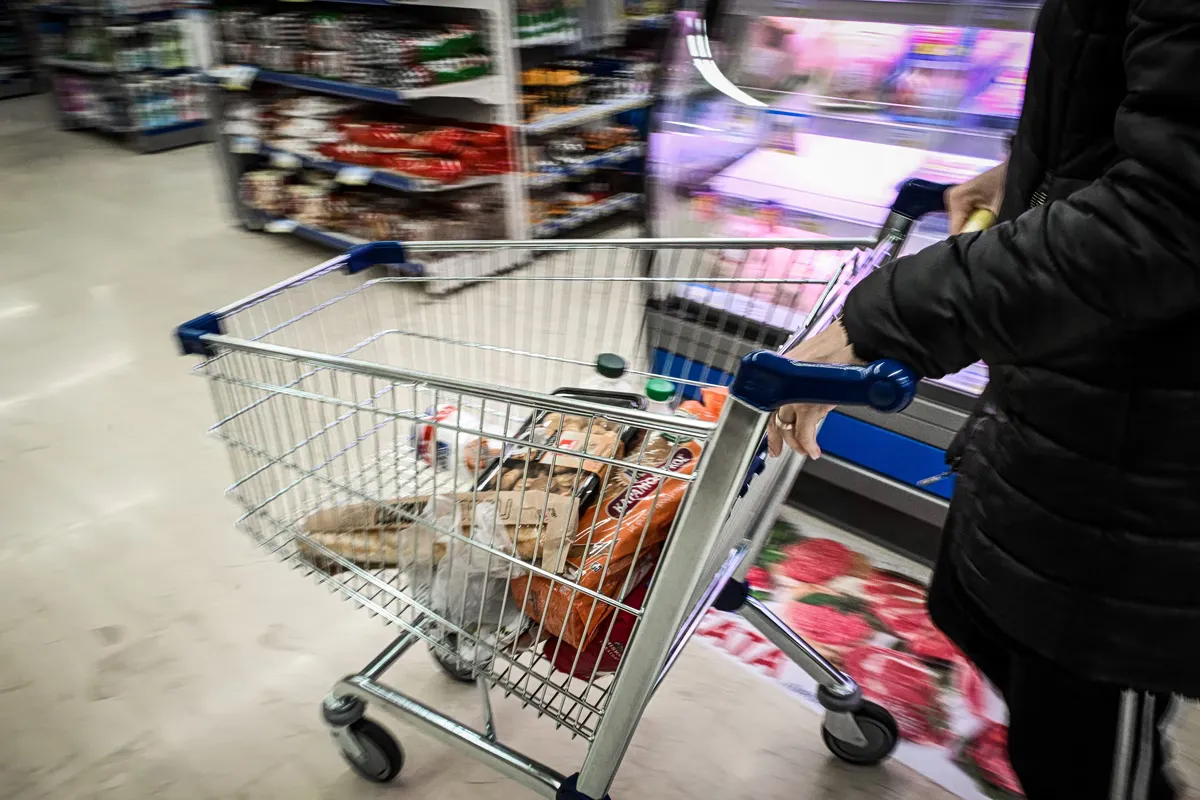
Greek grocery spending has reached an estimated €26 billion annually, reflecting significant structural changes in household consumption. According to a study by the Institute for Retail & Consumer Goods Research (IELKA), Greek households are actively adjusting their diets to cope with rising living costs. While total spending has risen, consumers are reducing purchases of staples like red meat, full-fat milk, olive oil, and sugar. This article examines the evolution of the Greek consumer basket, the impact of housing costs on food budgets, and the growing preference for convenience-based food solutions.
How has Greek grocery spending evolved since the financial crisis?
The trajectory of consumer spending in Greece reveals a profound impact from the economic volatility experienced over the last two decades. In 2008, the average annual per capita expenditure in Greece stood at €9,518. Following the fiscal adjustments, rising unemployment, and income reductions that characterized the subsequent years, this figure plummeted, reaching a historic low of €6,267 per person in 2020.
While there has been a gradual recovery in recent years, the current landscape remains fragile. By 2025, per capita spending reached €9,216, yet this figure does not fully reflect the reality of purchasing power. When accounting for cumulative inflationary pressures, the actual value of what Greek households can afford remains significantly lower than pre-crisis levels. This discrepancy highlights a persistent gap between nominal spending increases and real-world purchasing capacity.
What is the current breakdown of the €26 billion grocery market?
The total annual expenditure for grocery items across all points of sale is estimated at approximately €25.7 billion. This massive market is divided into several distinct categories that reflect the diverse needs of Greek households, ranging from basic sustenance to personal hygiene.
The largest segment is dedicated to food products, with an annual expenditure of roughly €18.1 billion. Non-food items also represent a significant portion of the total basket. Specifically, the market for alcoholic beverages accounts for €1.6 billion, while non-alcoholic beverages total approximately €1.0 billion. Beyond nutrition, consumers allocate substantial funds to care products: €2.3 billion is spent on personal care items, and €1.7 billion is directed toward household care products.
Comparative growth: spending vs. income
A critical finding in the IELKA analysis is that the growth in grocery spending in 2025 was slower than the growth in net incomes for certain household types. For example, the net income of a single person without children (earning 100% of the average) rose by 7.3% in 2025. Similarly, a dual-income couple with two children (also earning 100% of the average) saw a 9.4% increase in income. Despite these gains, the rising cost of living forces a strategic reallocation of these funds.
Why are Greek consumers changing their dietary habits?
The most striking aspect of the IELKA research is the qualitative shift in the contents of the household shopping basket. Greek consumers are not merely spending different amounts; they are fundamentally changing the types of products they buy. There is a noticeable decline in the consumption of traditional, high-nutrition staples that were once central to the Mediterranean diet.
Red meat, a cornerstone of traditional Greek meals, is seeing a steady decline as high prices often relegate it to a "luxury item" status. Similarly, there are measurable reductions in the consumption of full-fat milk, olive oil, and sugar. The case of olive oil is particularly notable, as dramatic price increases in recent years have forced many consumers to either limit its use or seek cheaper alternatives.
In contrast to the decline of traditional ingredients, there is an impressive surge in the consumption of ready-made meals and standardized "fast food" solutions found in supermarkets. This trend is driven by two primary factors: lifestyle changes and economic necessity. As working hours become more demanding, consumers have less time for home cooking. Simultaneously, ready meals offer a predictable and often more economical way to manage daily food costs.
How is the housing crisis squeezing food budgets?
The pressure on the supermarket basket is not an isolated phenomenon but a direct consequence of broader financial constraints within the household budget. Following the pandemic period, there has been a significant rise in mandatory expenditures related to housing, including rents, energy bills, and maintenance costs.
As a larger portion of disposable income is diverted toward these non-negotiable housing expenses, the flexibility available for food purchases diminishes. According to the data, housing now absorbs 14.7% of total household spending, compared to 11.8% in 2008 and 14.1% in 2023. This increasing trend forces consumers to make daily compromises at the checkout counter.
To manage these constraints, many shoppers are increasingly turning to lower-cost options, such as:
- Private label (store brand) products.
- Discounted items and promotional offers.
- Cheaper ingredient alternatives to replace high-priced staples.
What does this mean for the future of the Greek retail market?
The findings from IELKA suggest that the Greek household is in a state of constant readjustment. The transition from a traditional dietary structure—emphasizing fresh products and home-cooked meals—to more flexible, standardized, and affordable options reflects a permanent response to a new economic reality. For the retail sector, these shifts necessitate a strategic overhaul.
Retailers must adapt to a consumer base that prioritizes value and convenience. This likely involves a greater emphasis on providing high-quality ready meals, maintaining affordable pricing on essential goods, and supporting consumer loyalty through highly targeted promotions and discounts. The era of the traditional Mediterranean shopping basket is being reshaped by the economic pressures of the 2020s.
Frequently asked questions
What is the total annual grocery expenditure in Greece?
The total annual expenditure for grocery items in Greece is estimated at approximately €25.7 billion. The largest portion of this, roughly €18.1 billion, is spent on food, while the remainder covers beverages, personal care, and household products.
Which food items are Greeks buying less of?
Consumers are reducing their purchases of high-value traditional staples. Specifically, there is a decline in the consumption of red meat, full-fat milk, olive oil, and sugar due to rising costs and changing lifestyle needs.
Why are ready-made meals becoming more popular?
The rise in ready-meal consumption is driven by a combination of time constraints and budget management. Modern working schedules leave less time for cooking, while standardized supermarket meals offer a predictable and often more affordable way to eat.
How has housing affected food spending?
Rising housing costs, particularly rent, are absorbing a larger share of household income. As housing expenses climb toward 14.7% of total spending, consumers have less disposable income left for food, forcing them toward cheaper alternatives.
Is Greek purchasing power recovering?
While nominal per capita spending has risen to €9,216 in 2025, real purchasing power remains under significant pressure. Cumulative inflation means that the actual volume and value of goods consumers can afford are still lower than pre-crisis levels.
Key takeaways
- Greek annual grocery spending has reached an estimated €25.7 billion.
- Red meat and olive oil consumption are declining due to high costs.
- Ready-made meals are increasing due to time constraints and budget needs.
- Housing costs now consume 14.7% of total household expenditure.
- Consumers are increasingly opting for private label products to save money.
Conclusion
The IELKA study provides a clear diagnostic of the Greek consumer's struggle to balance tradition with economic reality. The shift away from staples like red meat and olive oil toward convenient, processed, and private-label alternatives is a direct response to the dual pressures of inflation and rising housing costs. As housing expenses continue to claim a larger portion of the household budget, the supermarket basket will likely continue to evolve toward more cost-effective and time-efficient solutions. For retailers, success in this environment depends on navigating these changing dietary and financial priorities.