What are citizens' assemblies and how did they originate?
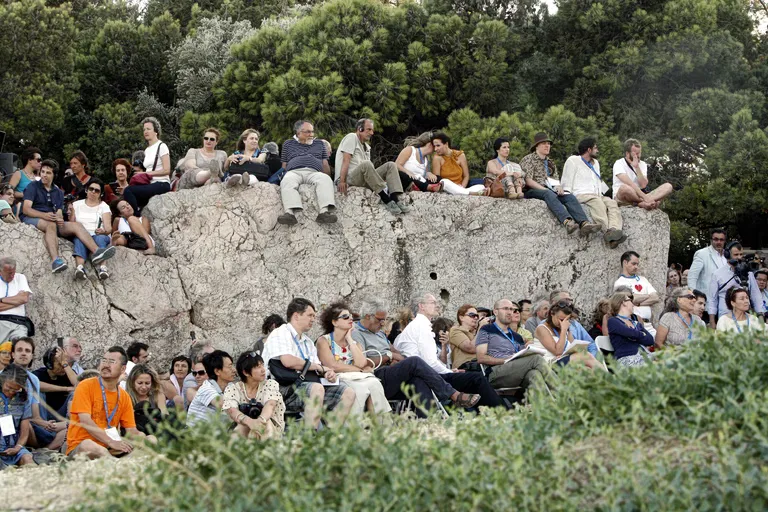
Citizens' assemblies are structured forums where individuals gather to deliberate on policy issues and exchange views. This concept is not a modern invention but finds its roots in the traditions of Ancient Greece. In the Athenian model, assemblies were a hallmark of democracy; excluding women and slaves, men would congregate to discuss and debate the methods of governing Athens.
More than 2,300 years later, this ancient practice is seeing a modern resurgence through initiatives like the Democratic Odyssey. This open, decentralized European initiative aims to create a permanent, transnational Citizens' Assembly for the European Union. A significant milestone occurred on September 26, 2023, when small groups of people gathered on the hill leading to the Pnyx. Citizens from Athens, Europe, and other regions responded to the call to participate in this new journey, seeking to strengthen the voice of the individual in democratic decision-making processes.
How have citizens' assemblies evolved in Europe?
The evolution of these assemblies represents a significant shift in the European political landscape. A decade or fifteen years ago, small groups of supporters for participatory democracy were pushing for the creation of randomly selected assemblies, but most political scientists—focused on macro-political dramas—tended to underestimate them. At that time, the academic and political focus remained on the core challenges of democracy, such as the rise of anti-liberal populist parties and intense ideological conflicts.
However, over the last decade, the skepticism previously directed at these small consultation forums has largely vanished. Today, almost everyone expresses support for citizens' assemblies. They have gained traction across the entire political spectrum, receiving backing from the far-left, the center, and even the far-right. The discourse has shifted so significantly that books and articles now almost universally present these assemblies as the solution to nearly all the ailments of democracy. Even authors focusing on high-level political philosophy and general trends regarding types of regimes now systematically include calls for local consultation as a means to rejuvenate liberal democracy.
Key developments in citizens' assemblies
What were once considered "democratic innovations" have now become the "middle-aged pillars" of European decision-making rather than "radically emerging youth." The number of assemblies has increased to the point where they are a settled and established part of democratic procedures in many European countries. They have multiplied across all levels: local, municipal, regional, national, and international.
The scope of their work has also expanded. While they once focused primarily on local issues, they now address a much broader spectrum of topics, turning their attention toward significant political choices. In many instances, these assemblies have become permanent and have been more strongly institutionalized within decision-making frameworks. Public authorities are increasingly taking the results of these assemblies into account, moving away from treating them as mere public relations exercises. In nearly all major European cities, some form of consultative process is now in place. The COVID-19 pandemic and the climate crisis acted as catalysts, driving a dramatic increase in the number of city-level assemblies. For instance, permanent assemblies are now functioning in parts of eastern Belgium and in Paris. Brussels has even established the first permanent mixed assembly, which brings together randomly selected citizens and elected politicians. Furthermore, the European Commission now regularly organizes citizen panels at a pan-European level to discuss critical issues such as security, in addition to the ongoing work regarding democracy.
What challenges do citizens' assemblies face?
Despite their widespread adoption, the rise of these assemblies raises difficult questions regarding their ultimate impact on democracy. While the expansion of participatory democracy is a positive counterweight to the anti-democratic spirit of the current era, the effectiveness of these forums is under scrutiny. The growth of these assemblies is an evolution that is rarely highlighted by mainstream media or think-tank analyses, which tend to focus on macro-political dramas rather than these grassroots shifts.
The central tension lies in whether these assemblies can truly influence the broader political system. While they function smoothly and generate enthusiasm among participants, there is a question of whether they can drive the radical changes necessary to address systemic issues. The transition from a "new innovation" to an "established pillar" brings the responsibility of proving that they are more than just advisory bodies and can actually impact the core of democratic governance.
Impact on democratic renewal
The role of citizens' assemblies in the renewal of democracy is a subject of ongoing debate. On one hand, they represent a revitalization of the democratic spirit, providing a platform for voices that are often sidelined in traditional political processes. On the other hand, the question remains whether this "quiet revolution" can withstand the pressures of the current political climate. The ability of these assemblies to foster genuine renewal depends on how deeply they are integrated into the actual power structures of the state and the EU.
Are citizens' assemblies a success or a disappointment?
The assessment of citizens' assemblies in Europe is complex. On the surface, they appear to be an immense success: they have moved from the fringes of political science to the center of democratic practice, gaining support across the political spectrum and institutionalizing themselves in major cities and EU institutions. They have successfully moved beyond local concerns to tackle pan-European issues like security and democracy.
However, the "disappointment" factor arises when considering their ultimate impact. For these assemblies to achieve a truly significant impact, democratic dialogue must enter a radically new phase. The question remains whether the current model of consultation can move beyond being a structured forum for deliberation and become a decisive force in shaping the future of Europe. The success of the movement will ultimately be measured by whether it can transition from a tool of participation to a tool of actual political transformation.
Frequently asked questions
What is the purpose of citizens' assemblies?
The purpose is to involve citizens directly in the democratic decision-making process, allowing them to discuss, exchange views, and provide input on policy issues, ranging from local concerns to major pan-European decisions.
How do citizens' assemblies differ from traditional politics?
Unlike traditional politics, which often focuses on macro-political dramas and ideological conflicts between parties, citizens' assemblies emphasize participatory democracy through structured deliberation, often involving randomly selected individuals to ensure a broader range of voices.
Where can we see successful examples of these assemblies?
Examples include permanent assemblies in eastern Belgium and Paris, as well as the mixed assembly in Brussels that combines citizens and elected politicians. The European Commission also uses them for pan-European issues like security.
Are these assemblies just for public relations?
While they were once sometimes viewed that way, many assemblies have become institutionalized. Public authorities are increasingly treating their results as serious inputs for decision-making rather than simple PR exercises.
What is the Democratic Odyssey?
The Democratic Odyssey is an open, decentralized European initiative that aims to create a permanent, transnational Citizens' Assembly for the European Union, aiming to strengthen the voice of citizens in democratic decisions.
Key takeaways
- Citizens' assemblies have evolved from a niche interest into a "middle-aged pillar" of European democracy.
- They operate at all levels, from local municipalities to pan-European EU panels.
- The movement has gained unprecedented support across the entire political spectrum.
- Major cities like Paris and Brussels have institutionalized these processes.
- The ultimate challenge is moving from participation to having a radical impact on democratic decision-making.
Conclusion
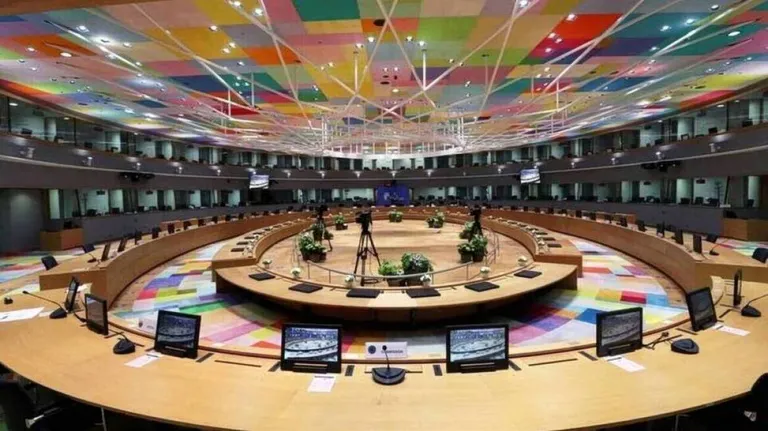
The expansion of citizens' assemblies across Europe marks a significant, albeit quiet, revolution in the way democracy functions. From the ancient hills of the Pnyx to the modern halls of the European Commission, the drive to include the citizen in the process of governance remains a powerful force. While these assemblies have successfully moved from the periphery to the center of political life, their journey is far from over. To avoid being a mere consultative formality, they must evolve into a mechanism capable of driving meaningful, systemic change. The success of this democratic wave will depend on whether the dialogue they foster can truly transform the landscape of European governance.