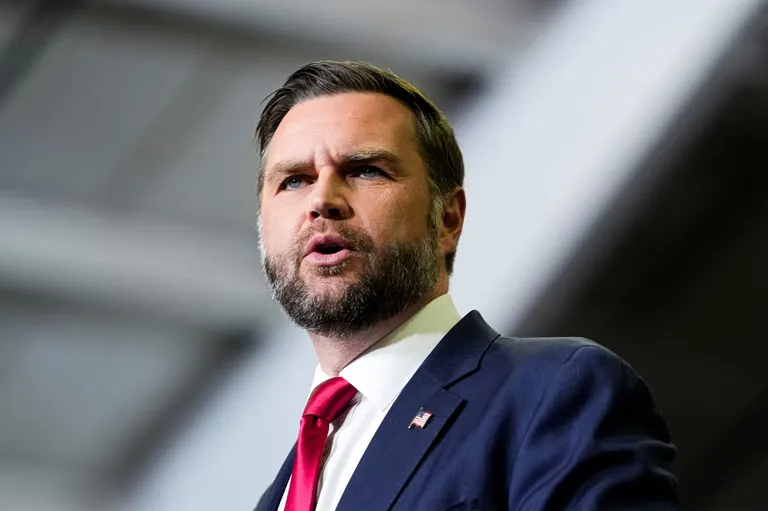
Why are voters shifting away from centrist politics?
Voters in 2026 are increasingly moving away from centrist politics, seeking alternative governance that better addresses their needs. This shift is driven by dissatisfaction with traditional political structures and a desire for policies that offer real change. The perception that centrist politics merely maintain the status quo has led voters to explore options that promise more substantial reforms.
What factors are influencing voter preferences in 2026?
Several factors are influencing voter preferences in 2026. Economic challenges, such as the cost of living and housing crises, have heightened the demand for policies that directly address these issues. Additionally, there is a growing discontent with perceived corruption and ineffective governance, prompting voters to seek alternatives that promise transparency and accountability.
The role of socio-economic issues
Socio-economic issues play a crucial role in shaping voter preferences. The ongoing housing crisis and rising living costs have become central concerns for many voters. These issues highlight the need for governance that prioritizes economic stability and social welfare, steering voter preferences towards parties that propose concrete solutions.
How is the demand for political change manifesting in elections?
The demand for political change is evident in the increasing support for parties and candidates advocating for alternative governance models. Voters are looking for leadership that can implement effective policies and drive meaningful change. This trend is reflected in the declining support for traditional centrist parties, as voters seek options that align more closely with their aspirations for the future.
What are the implications of this shift for future political landscapes?
The shift towards alternative governance has significant implications for future political landscapes. It suggests a potential realignment of political power, with new parties and movements gaining influence. This could lead to a more diverse political environment where a broader range of voices and perspectives are represented, potentially reshaping policy priorities and governance styles.
Are there risks associated with the move towards alternative governance?
While the move towards alternative governance offers opportunities for change, it also carries risks. There is a possibility of increased political fragmentation, which could complicate governance and policy implementation. Additionally, the emergence of new political movements may lead to uncertainty and instability as the political landscape adjusts to these changes.
Frequently asked questions
What is alternative governance?
Alternative governance refers to political systems and policies that differ from traditional centrist approaches, often focusing on reform and addressing specific socio-economic issues.
Why are voters dissatisfied with centrist politics?
Voters are dissatisfied with centrist politics due to perceived stagnation and a lack of effective solutions to pressing issues like economic inequality and corruption.
How do socio-economic issues influence elections?
Socio-economic issues influence elections by shaping voter priorities and preferences, often leading to support for candidates who propose concrete solutions to these challenges.
What are the potential benefits of alternative governance?
Potential benefits of alternative governance include more responsive policies, increased transparency, and a focus on addressing specific voter concerns, leading to improved public trust.
Could alternative governance lead to political instability?
While alternative governance can bring positive change, it may also lead to political instability if new movements struggle to establish effective governance structures.
Key takeaways
- Voters in 2026 are prioritizing alternative governance over centrist politics.
- Economic challenges and dissatisfaction with traditional politics drive this shift.
- The demand for political change is reshaping electoral dynamics.
- Alternative governance offers opportunities for reform but carries risks of instability.