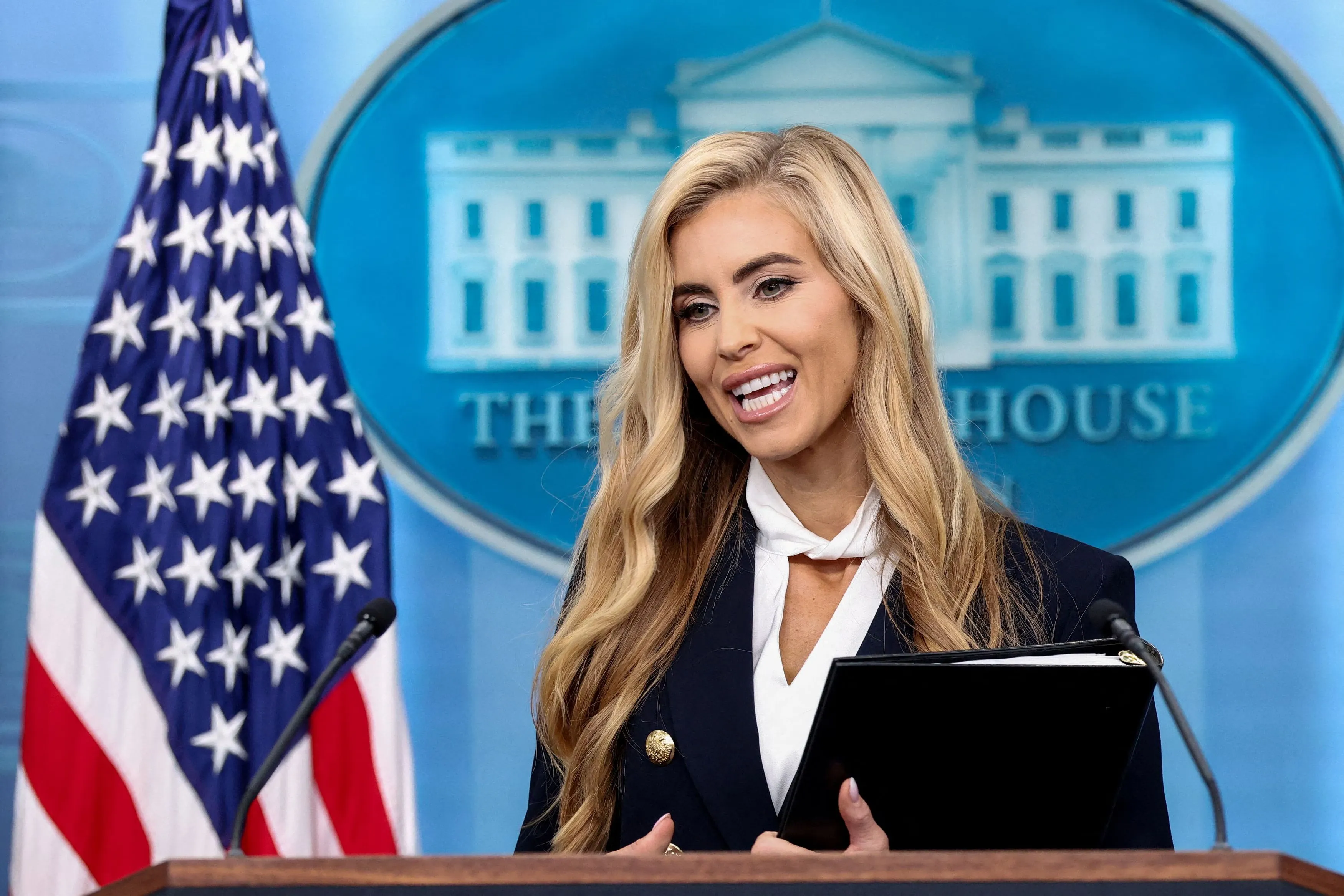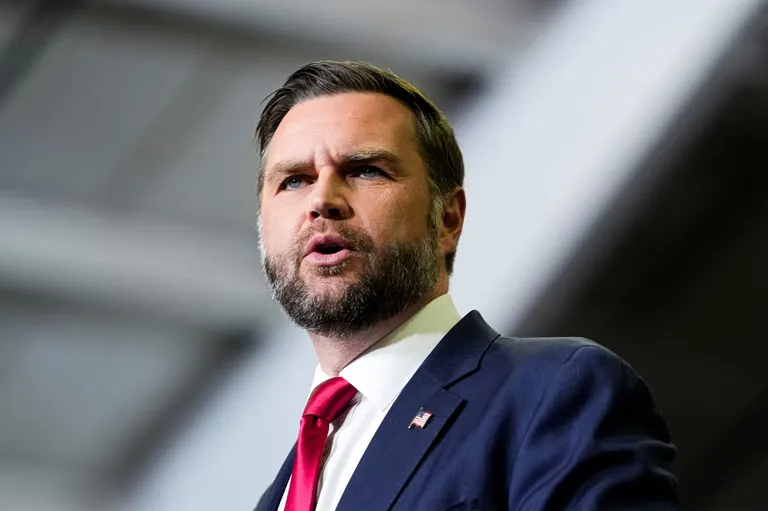
US Vice President JD Vance has addressed the controversies surrounding Kimberly Guilfoyle, stating that anyone selling access to the White House should face consequences. The comments follow allegations that the former ambassador to Greece requested a $100,000 wire transfer to settle personal credit card debts in exchange for government influence. Vance described such behavior as "disgusting and despicable" while maintaining a commitment to legal due process. This article examines the specific claims made by donor Eric Dieter, Vance's response during his CBS News interview, and the implications for the current administration.
What are the specific allegations against Kimberly Guilfoyle?
The core of the controversy involves claims that Kimberly Guilfoyle leveraged her political connections for personal financial gain. According to reports regarding the case, Republican donor Eric Dieter has alleged that the former ambassador requested a significant sum of money to facilitate access to high-level government officials.
The specific figure cited in the allegations is $100,000. Dieter claims that Guilfoyle requested this amount via bank transfer to settle her personal credit card accounts. In exchange for this payment, the donor alleges he was promised facilitated contact with key members of the American administration.
These accusations have surfaced following Guilfoyle's resignation from her position as the U.S. Ambassador to Greece. While the details of the interaction remain a matter of intense dispute, the nature of the claim—trading diplomatic or political influence for personal debt relief—has drawn significant scrutiny from both political opponents and the media.
The role of Eric Dieter in the controversy
Eric Dieter, a Republican donor, serves as the primary source of these allegations. His claims suggest a pattern of behavior where political proximity is treated as a commodity. By alleging that the request was made specifically for the purpose of settling personal credit card balances, Dieter has framed the issue not just as a matter of political ethics, but as a direct attempt at financial exploitation through official channels.
How did Vice President JD Vance respond to the claims?
Vice President JD Vance expressed strong condemnation of the alleged actions while emphasizing the necessity of a factual investigation. During an interview with CBS News, which was scheduled for broadcast on October 17, 2026, Vance did not shy away from the ethical implications of the case.
Vance characterized the act of selling access to the White House as "disgusting and despicable." He stated that individuals engaging in such practices should "suffer consequences." However, the Vice President was careful to distinguish between public condemnation of the behavior and the legal determination of guilt. He noted that he intended to form his final opinion based on actual facts rather than media reports.
This measured approach allows the administration to maintain a stance of moral indignation against corruption while avoiding the appearance of premature judgment. By stating, "I want to form an opinion on such matters based on actual facts and not based on some random media post I read," Vance signaled a preference for formal investigative findings over the rapid cycle of social media and news speculation.
Will the US government cooperate with legal investigations?
The administration has signaled a firm commitment to upholding the law regarding any potential subpoenas or official inquiries into the Guilfoyle matter. When asked directly if the government would comply with legal processes related to the case, Vance provided a definitive response.
"Of course we will comply. Look, I mean, we uphold the law," Vance stated. This response is intended to reassure the public and legal institutions that the executive branch will not obstruct investigations into potential misconduct, even when it involves figures closely associated with the administration's previous or current circles.
This stance is critical for maintaining institutional legitimacy. As the allegations move from the realm of media reporting to potential legal scrutiny, the administration's willingness to cooperate will be a key metric by which its commitment to transparency and the rule of law is judged by the electorate and legal experts alike.
What is the current status of Kimberly Guilfoyle's defense?
Kimberly Guilfoyle has denied all allegations of illegal conduct regarding the $100,000 request and the claims of selling access. While the specific details of her legal defense have not been fully disclosed, her position remains a total rejection of the narrative presented by Eric Dieter.
The situation currently exists as a high-stakes dispute of testimony. On one side, Dieter provides an account of a transactional request for personal financial assistance; on the other, Guilfoyle maintains that no such improper exchange was attempted or offered. Because the allegations involve private bank transfers and verbal agreements, the investigation will likely rely heavily on financial records and witness corroboration.
The fallout from these allegations has already had tangible political consequences, most notably contributing to her departure from her diplomatic post in Greece. Whether the matter results in formal legal charges or remains a political controversy depends on the outcome of forthcoming investigations into the veracity of Dieter's claims.
Frequently asked questions
What was the amount allegedly requested by Kimberly Guilfoyle?
According to the allegations made by Republican donor Eric Dieter, Kimberly Guilfoyle requested a wire transfer of $100,000. The claim suggests this money was intended to pay off her personal credit card debts in exchange for political access.
How did JD Vance describe the act of selling White House access?
Vice President JD Vance described the act of selling access to the White House as "disgusting and despicable." He further stated that anyone involved in such practices should be made to suffer the appropriate consequences.
Has Kimberly Guilfoyle admitted to any wrongdoing?
No, Kimberly Guilfoyle has denied all allegations of illegal or improper behavior. She maintains that the claims regarding the $100,000 request and the trading of political access are unfounded.
What is JD Vance's position on the investigation?
JD Vance has stated that he will wait for actual facts to emerge before forming a final conclusion. However, he has explicitly confirmed that the administration will comply with any legal subpoenas or investigations.
Who is Eric Dieter?
Eric Dieter is a Republican donor who has come forward with the allegations against Kimberly Guilfoyle. He is the individual claiming that the former ambassador requested funds to settle personal debts in exchange for government influence.
Key takeaways
- JD Vance condemned the alleged sale of White House access as "disgusting and despicable."
- Allegations involve a requested $100,000 wire transfer to settle personal credit card debts.
- Eric Dieter is the Republican donor making the claims against Kimberly Guilfoyle.
- The US administration has pledged to comply with any legal subpoenas regarding the case.
Conclusion
The allegations surrounding Kimberly Guilfoyle represent a significant challenge regarding the intersection of political influence and personal finance. While Vice President JD Vance has voiced strong moral opposition to the idea of selling government access, his insistence on a fact-based approach highlights the tension between political rhetoric and legal due process. As the claims made by Eric Dieter face scrutiny, the administration's commitment to the rule of law will be tested. The outcome of this controversy will likely serve as a benchmark for how the US government handles allegations of corruption involving high-level diplomatic figures.