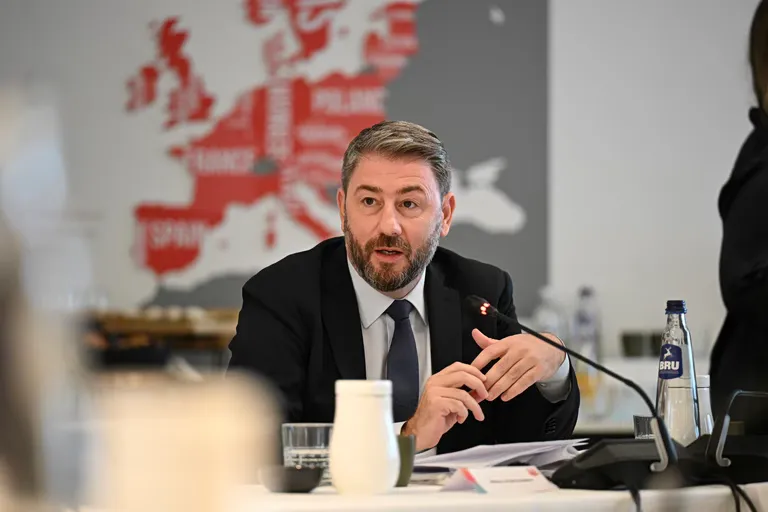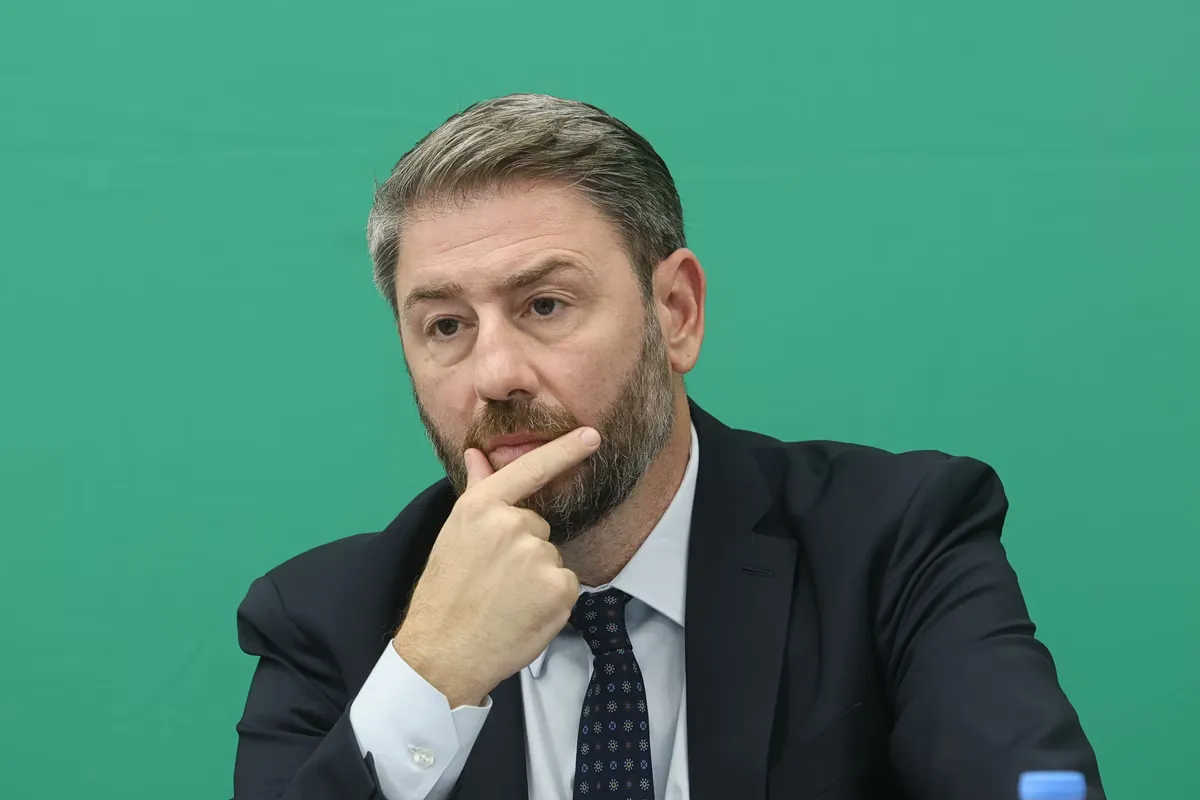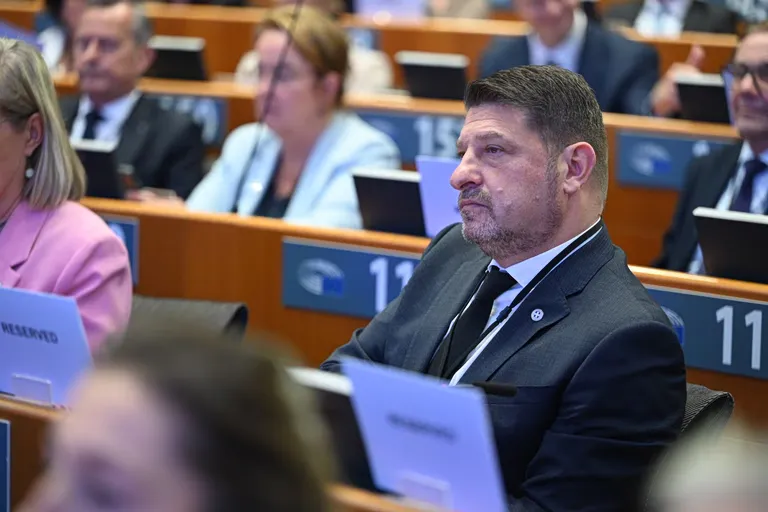
Why is Nikos Hardalias in Brussels?
Nikos Hardalias, the Governor of Attica and First Vice President of the European People's Party in the Committee of the Regions (EPP-CoR), traveled to Brussels to participate in the 173rd Plenary Session of the European Committee of the Regions. His mission was centered on the critical task of advocating for increased funding and more robust financial tools for cities and regions.
Hardalias's presence in the Belgian capital is timed to coincide with high-level meetings of the EPP political group. The primary objective of his mission is to ensure that the voices of regional leaders are heard as the European Union enters a decisive phase of budgetary planning. By engaging directly with the European Committee of the Regions, Hardalias aims to secure the necessary resources to implement significant development projects in every corner of the Attica Basin and beyond.
What are the key issues discussed in Brussels?
The discussions in Brussels are taking place at a particularly critical juncture for the future of European regional policy. At the heart of the agenda is the ongoing negotiation for the new Multiannual Financial Framework (MFF), which will govern the European Union's budget for the period 2028–2034. This framework is the cornerstone of EU spending, and the current negotiations will determine how much capital is available for regional growth over the next several years.
A central point of contention and debate is the total volume of funds that will be allocated specifically to regional development. Hardalias and other regional leaders are emphasizing that social cohesion must remain a fundamental priority for the EU. The discussions are not merely about the amount of money, but also about the governance of those funds. There is a significant focus on the role that regions themselves must play in the planning, distribution, and management of these European resources to ensure they reach their intended targets effectively.
Impact on regional development
The outcome of the current negotiations in Brussels will have a profound and lasting impact on the developmental capabilities of European regions. As the Multiannual Financial Framework for 2028–2034 is shaped, the decisions made will dictate whether regions have the financial capacity to tackle long-standing issues or if they will face stagnation.
Hardalias has specifically highlighted the need to ensure adequate funding for regional programs, with a particular focus on areas facing the most intense social and developmental inequalities. The goal is to provide the financial means necessary to implement projects that offer a tangible improvement to the daily lives of citizens. This includes the strengthening of public infrastructure and the creation of cities that are not only more functional but also safer and more resilient to future challenges.
How does this affect the EU's budgetary priorities?
The negotiations currently underway are pivotal for defining the EU's financial roadmap. Hardalias’s advocacy serves as a reminder that a competitive Europe cannot be built in isolation from its local communities. He has argued that for Europe to be truly strong and competitive, it must ensure that its cities and local societies have the tools and opportunities required to progress.
By pushing for the enhancement of regional programs, Hardalias is attempting to steer the EU's budgetary priorities toward a model of inclusive growth. This means ensuring that social and regional cohesion are not treated as secondary concerns but as indispensable pillars of the Union's financial planning. The battle for the new budget is, in essence, a battle to define how the EU will support its most localized and diverse components.
What is the significance of social cohesion funds?
Social cohesion funds are designed to act as a leveling force within the European Union, aiming to reduce the disparities that exist between different regions. These funds are vital for promoting balanced development across the continent, ensuring that no region is left behind due to geographic or economic disadvantages.
According to the priorities outlined by the Governor of Attica, these funds are essential for the implementation of projects that upgrade the daily lives of citizens. This includes specific emphasis on the working-class neighborhoods of the Attica Basin. By investing in these areas, the funds can support the development of public infrastructure and foster the creation of more resilient urban environments. Hardalias's call for increased resources underscores the belief that social cohesion is a prerequisite for a stable and prosperous European Union.
What are the next steps for the EU budget negotiations?
The road to the 2028–2034 budget remains complex and highly contested. As the negotiations continue, regional leaders like Hardalias will remain active in advocating for policies that prioritize regional development and social cohesion. The upcoming period will involve intense lobbying and diplomatic efforts to ensure that the final Multiannual Financial Framework reflects the needs of the regions.
The success of these efforts will be measured by the final allocation of resources. If the demands for increased regional funding are met, it will provide a foundation for years of infrastructure and social improvement. If not, the developmental gap between different parts of Europe may widen. The focus now remains on the intense "battle" for the budget that Hardalias described from the heart of the European Union.
Frequently asked questions
Who is Nikos Hardalias?
Nikos Hardalias is the Governor of Attica and serves as the First Vice President of the European People's Party (EPP) within the Committee of the Regions (CoR). He is a prominent advocate for regional interests in Brussels.
What is the European Committee of the Regions?
The European Committee of the Regions is an EU body where regional and local representatives participate in the EU's decision-making process, providing expertise on how European policies affect local territories.
Why are social cohesion funds important?
These funds are essential for reducing inequalities between different regions and ensuring that development is balanced across the EU, supporting infrastructure and social stability.
What is the Multiannual Financial Framework?
The Multiannual Financial Framework (MFF) is the long-term budget plan of the European Union, which sets the spending limits and priorities for a period of several years, in this case covering 2028–2034.
How does regional development benefit the EU?
Regional development helps create a more competitive and cohesive Europe by improving local infrastructure, reducing social disparities, and ensuring that all citizens have the opportunity to thrive.
Key takeaways
- Nikos Hardalias is actively advocating for increased EU funding for social cohesion in Brussels.
- The negotiations are centered on the new Multiannual Financial Framework for the 2028–2034 period.
- A primary goal is to secure more financial tools for cities to implement essential development projects.
- Emphasis is placed on addressing social and developmental inequalities, particularly in working-class areas.
- Regional leaders are seeking a greater role in the planning and management of EU resources.
Conclusion
The mission of Nikos Hardalias in Brussels highlights a critical turning point for European regional policy. As the EU negotiates its 2028–2034 budget, the demand for increased social cohesion funds serves as a vital call to action to protect the interests of local communities. By focusing on the necessity of robust funding for regional programs, Hardalias is pushing for a future where European growth is inclusive, resilient, and capable of improving the daily lives of all citizens, from the heart of the Attica Basin to every corner of the Union.