Direct engagement with EU insularity rapporteur
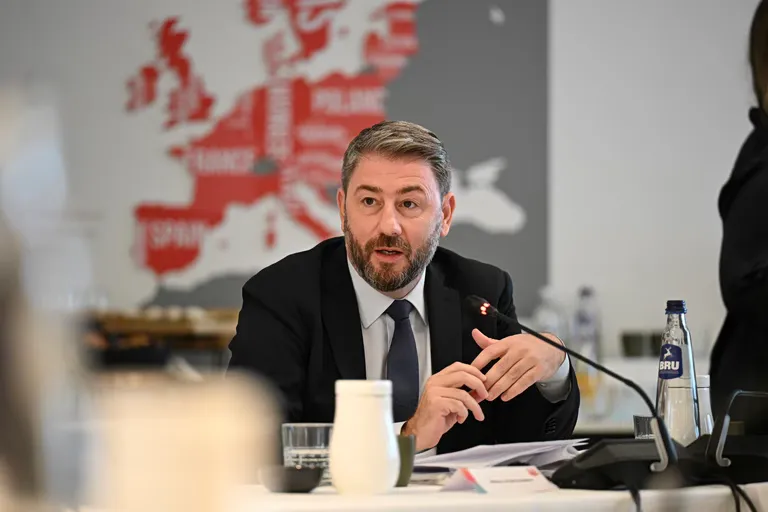
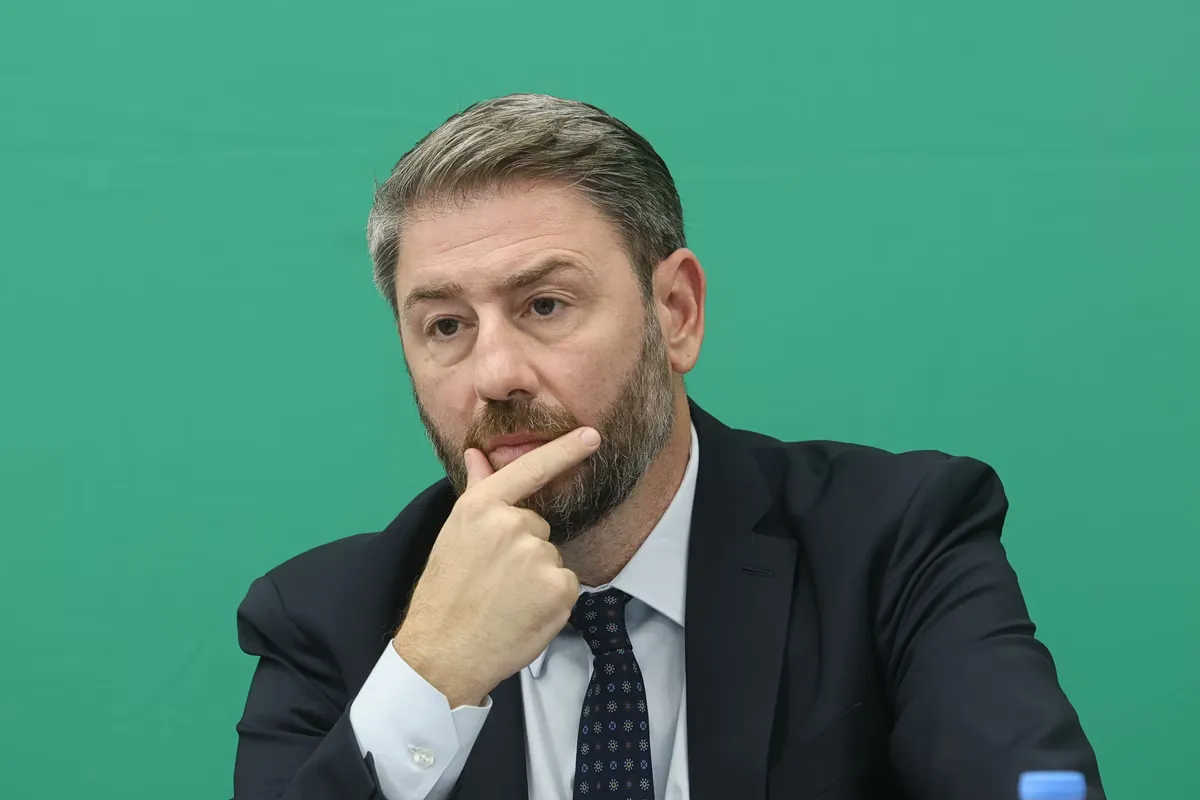
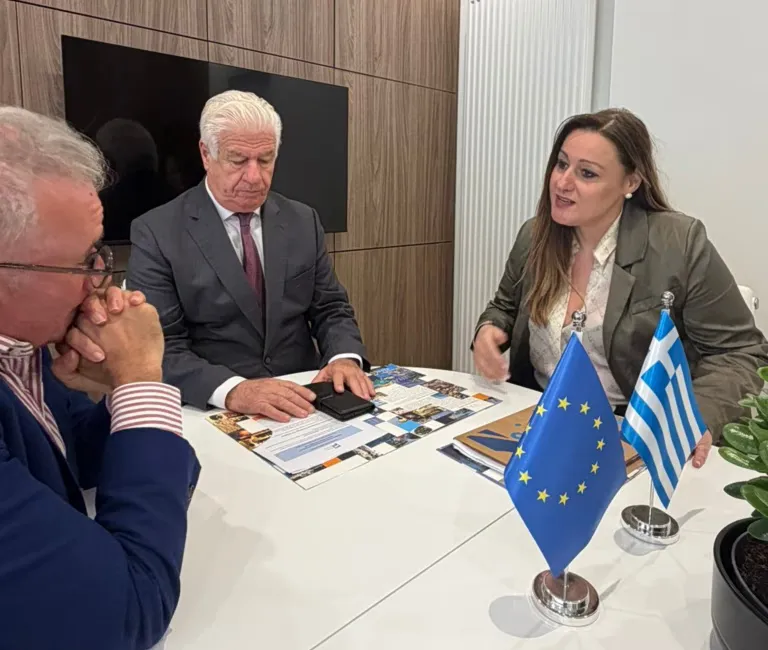
The Ionian Islands Regional Governor, Giannis Trepeklis, has formally presented the region's strategic positions to Noel Formosa, the European Committee of the Regions' Special Rapporteur on Insularity. This high-level meeting took place in Brussels at the newly established office of the Ionian Islands Region. The primary objective was to ensure that the specific needs of the Ionian archipelago are not overlooked during the drafting of the forthcoming European policy framework.
During the session, Governor Trepeklis delivered a comprehensive memorandum designed to highlight the unique characteristics and developmental priorities of the Ionian island complex. This document serves as a formal bridge between local administrative needs and the macro-level policy drafting occurring at the European level. By providing this detailed evidence, the region seeks to influence how 'insularity' is defined and addressed in future EU funding and legislative cycles.
The presence of Emiliia Moschou, the Vice Governor for European Programs, Digital Transformation, and Innovation, underscored the technical importance of this mission. Her involvement suggests that the Ionian Islands are looking to align their local digital and innovation goals with the broader European strategic direction, ensuring that technological advancement is integrated into the island-specific development model.
Strategic importance of the Ionian memorandum
Noel Formosa expressed significant satisfaction regarding the quality and the evidence-based nature of the proposals submitted by the Ionian Islands. According to the Ionian Islands Region in an official announcement, the Rapporteur accepted the regional positions, noting that the contribution from the Ionian Islands is of strategic importance. This recognition is vital, as it positions the region as a key stakeholder in the final European proposal.
The memorandum focuses on several core pillars that are essential for island survival and prosperity:
- Regional Specificities: Addressing the geographical constraints that differentiate islands from mainland territories.
- Developmental Challenges: Identifying the logistical, economic, and social hurdles unique to the Ionian archipelago.
- Growth Priorities: Outlining specific sectors where EU support could catalyze sustainable local development.
By integrating these specificities, the New European Strategy for Islands aims to move away from a 'one-size-fits-all' approach, instead adopting a nuanced methodology that recognizes the diverse realities of different island groups across the Union.
Timeline for the final EU legislative adoption
The formulation of the New European Strategy for Islands is moving toward a decisive deadline in late 2026. Current diplomatic efforts and institutional dialogues are scheduled to continue intensively throughout the coming months. The regional administration has indicated that these contacts with European Union institutional bodies will remain a priority until the public consultation phase concludes in November.
Following the conclusion of the public consultation, the policy draft will undergo a formal transition in the legislative process. The draft is expected to be submitted to the Committee of the Regions for deliberation. The ultimate goal of this sequence is to reach a final vote, which will formalize the strategy and set the stage for its implementation across the European Union's island territories.
For the Ionian Islands, the success of this process depends on the continued ability to translate local challenges into the technical language of EU policy. The period between now and the November consultation represents a critical window for regional leaders to solidify their influence on the final text of the strategy.
Frequently Asked Questions
What is the purpose of the New European Strategy for Islands?
The strategy is a dedicated European Union framework designed to address the specific challenges faced by island territories. It aims to create tailored policies that account for the unique economic, social, and geographical constraints of insularity, ensuring these regions can achieve sustainable development and integration within the EU.
How is the Ionian Islands region influencing this strategy?
The Ionian Islands are influencing the strategy by submitting detailed, evidence-based memoranda to the EU Special Rapporteur on Insularity. By presenting specific regional priorities and developmental challenges in Brussels, the regional government ensures that the Ionian archipelago's needs are reflected in the final European policy proposal.
When will the new European strategy be finalized?
The strategy is currently in a consultation and drafting phase. Public consultations are expected to conclude in November 2026. Following this, the draft will be submitted to the Committee of the Regions for a final vote, marking the official adoption of the new policy framework.