How much have the Cretan dam levels increased?
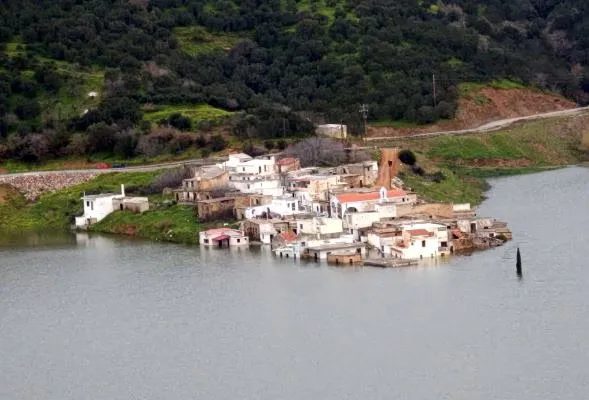
The water levels in Crete's primary dams have surged significantly due to heavy precipitation recorded throughout October 2026. According to Aris Papadogiannis, CEO of the Crete Development Organization (OAK), the Aposelemis dam has reached a capacity of over 85%, containing approximately 20.7 million cubic meters of water. This is a stark contrast to February 2026, when reserves at the same site plummeted to just 1.35 million cubic meters.
The Potamnos dam in the Amari region of Rethymno has also seen an unprecedented rise, overflowing starting on October 30, 2026. It currently holds 22.5 million cubic meters of water. This volume is considered sufficient to meet the irrigation requirements of the local agricultural sector for the next three years. The sudden influx of water follows a period of extreme tension where several municipalities had to declare states of emergency due to water scarcity.
Comparative dam capacity: February vs. October 2026
The shift in water availability is quantifiable when comparing the peak drought period to the current recovery. In February 2026, the available water for the three main municipalities served by the Aposelemis dam was below 700,000 cubic meters. Today, the 20.7 million cubic meters stored in Aposelemis provide a buffer that is expected to cover the needs of Eastern Crete for at least the next two years.
What is the impact on water security for residents and tourism?
The replenishment of these reservoirs directly secures the water supply for hundreds of thousands of people and vital economic sectors. The Aposelemis dam serves as a cornerstone of the water infrastructure for Eastern Crete, providing drinking water to Heraklion, Hersonissos, and Agios Nikolaos. During the peak tourist season, this single infrastructure point supports up to 450,000 individuals.
While the current situation is optimistic, officials warn that this relief is a temporary reprieve rather than a permanent solution. The island faces a dual challenge: the ongoing climate crisis and the increasing demand from both a growing tourism industry and agricultural needs. The need for both quantitative volume and qualitative water management remains a priority for regional planners.
What new infrastructure projects are being developed?
To mitigate the risks of future droughts, the Crete Development Organization is advancing several high-value infrastructure studies and construction projects. A primary focus is the creation of a new water treatment facility at the Potamnos dam. This €25 million project is described by OAK as an "environmental miracle" because it is designed to be eco-friendly while providing potable water to the Rethymno region and its tourism zones for the next three years.
Another critical area of intervention involves the Balsamioti dam in Chania. This dam has long suffered from significant leakage issues, preventing it from retaining the full volume of water for which it was designed. Although the dam does not fall under the direct jurisdiction of OAK, the organization has completed studies to address these losses. Plans are currently being discussed with relevant ministries to take over management and implement repairs.
The Balsamioti dam restoration plan
The proposed intervention for the Balsamioti dam is estimated to cost approximately €14 million. The project aims to achieve two main goals: repairing the existing leaks to ensure water retention and constructing a new pipeline network. Once completed, this network will allow the stored water to be utilized effectively for the irrigation of the Chania plain, turning a leaking asset into a functional resource for local farmers.
How severe was the October rainfall?
The rainfall intensity that refilled the dams was recorded at historic levels by the National Observatory of Athens. The sheer volume of water delivered in a short period highlights the volatility of recent weather patterns. In the Xyloskalo station in Chania (Samaria region), 1,011 mm of rain was recorded between October 1 and October 18, 2026, setting a new record.
Other regions also saw extreme precipitation levels during this window:
- Farangi: 764 mm of rainfall.
- Anogeia (Rethymno): 693 mm of rainfall.
- Lasithi: Over 500 mm of rainfall in the Potamos area.
While these figures represent a vital lifeline for the island's water reserves, they also underscore the extreme weather events that characterize the current climate reality in the Mediterranean.
FAQ: Crete water reservoirs
How long will the current water reserves last in Eastern Crete?
The current reserves in the Aposelemis dam are expected to cover the water needs of Eastern Crete for the next two years. This includes the drinking water requirements for Heraklion, Hersonissos, and Agios Nikolaos, even during peak tourist periods.
What is being done to fix the leaks at the Balsamioti dam?
The Crete Development Organization is currently in consultations with relevant ministries to manage the Balsamioti dam. The proposed €14 million project includes repairing leaks and building a pipeline network to irrigate the Chania plain.
How much water does the Potamnos dam currently hold?
The Potamnos dam in Amari, Rethymno, currently holds 22.5 million cubic meters of water. This amount is considered sufficient to meet the irrigation needs of the local agricultural sector for the next three years.
Why was the drought in early 2026 so severe?
In February 2026, the Aposelemis dam had dropped to just 1.35 million cubic meters, with available water for the three main municipalities falling below 700,000 cubic meters. This led to emergency declarations in several Cretan municipalities.
Is the new Potamnos water project environmentally friendly?
Yes, the €25 million water treatment facility at the Potamnos dam is being characterized as an environmental miracle. It is designed to be eco-friendly while ensuring a reliable supply of potable water to Rethymno and its tourism zones.
Key takeaways
- The Aposelemis dam has recovered to over 85% capacity, holding 20.7 million cubic meters of water.
- The Potamnos dam has overflowed, providing enough water for three years of regional irrigation.
- A €25 million water treatment project is underway at the Potamnos dam to supply Rethymno.
- Record rainfall in Chania reached 1,011 mm during the first half of October 2026.
- A €14 million plan is being discussed to repair leaks at the Balsamioti dam in Chania.
Looking ahead at Crete's water security
The recent rainfall has provided a much-needed reprieve for Crete, transforming a period of acute water anxiety into one of relative stability. However, the transition from emergency management to long-term resilience is essential. The combination of record-breaking rainfall and historic droughts demonstrates the increasing volatility of the Mediterranean climate. Success will depend on the timely execution of infrastructure projects like the Potamnos treatment plant and the Balsamioti repairs, ensuring that the island can withstand the inevitable cycles of scarcity that follow these periods of abundance.