Severe Weather Sweeps Across Germany
Germany has been grappling with the aftermath of powerful storms that have swept across parts of the country, causing significant damage and claiming at least one life. The deadly weather system arrived after an extended period of drought conditions, creating a volatile atmospheric environment that meteorologists say can intensify storm activity significantly.
The severe weather events included high-intensity thunderstorms accompanied by tornado-like winds, which caused widespread disruption to communities in affected regions. Emergency services were deployed across multiple areas as officials worked to assess the scale of the damage and respond to calls for assistance.
Fatality Reported Amid Storm Chaos
Authorities confirmed the death of a woman as a direct result of the violent storms, marking the human toll of what has been described as an unusually intense episode of severe weather for the region. While details surrounding the circumstances of the fatality were not fully disclosed, the tragedy has underscored the dangers posed by rapidly developing storm systems.
Local emergency services and rescue teams mobilized quickly in response to the deteriorating conditions. Fallen trees, damaged infrastructure, and flooded roadways were among the immediate consequences reported by residents and local officials in the hours following the storms' passage.
The Role of Prolonged Drought in Storm Intensity
Weather experts have pointed to the preceding drought period as a contributing factor to the severity of the storms. When dry, heat-parched land is suddenly exposed to intense atmospheric disturbances, the resulting weather patterns can be significantly more violent than typical seasonal thunderstorms.
The combination of prolonged heat, low soil moisture, and sudden shifts in atmospheric pressure can create conditions that fuel more energetic and destructive storm cells. Scientists who study extreme weather patterns have increasingly noted this dynamic in various parts of Europe, where extended dry spells have been followed by episodes of intense precipitation and high winds.
Extended periods of drought alter the land surface in ways that can intensify storm systems when weather patterns finally shift, leading to more concentrated and damaging precipitation events.
Germany has experienced a pattern of climatic extremes in recent years, cycling between periods of insufficient rainfall and sudden bouts of violent weather. This oscillation between drought and intense storms is consistent with broader climate trends being observed across Central Europe.
Infrastructure and Communities Affected
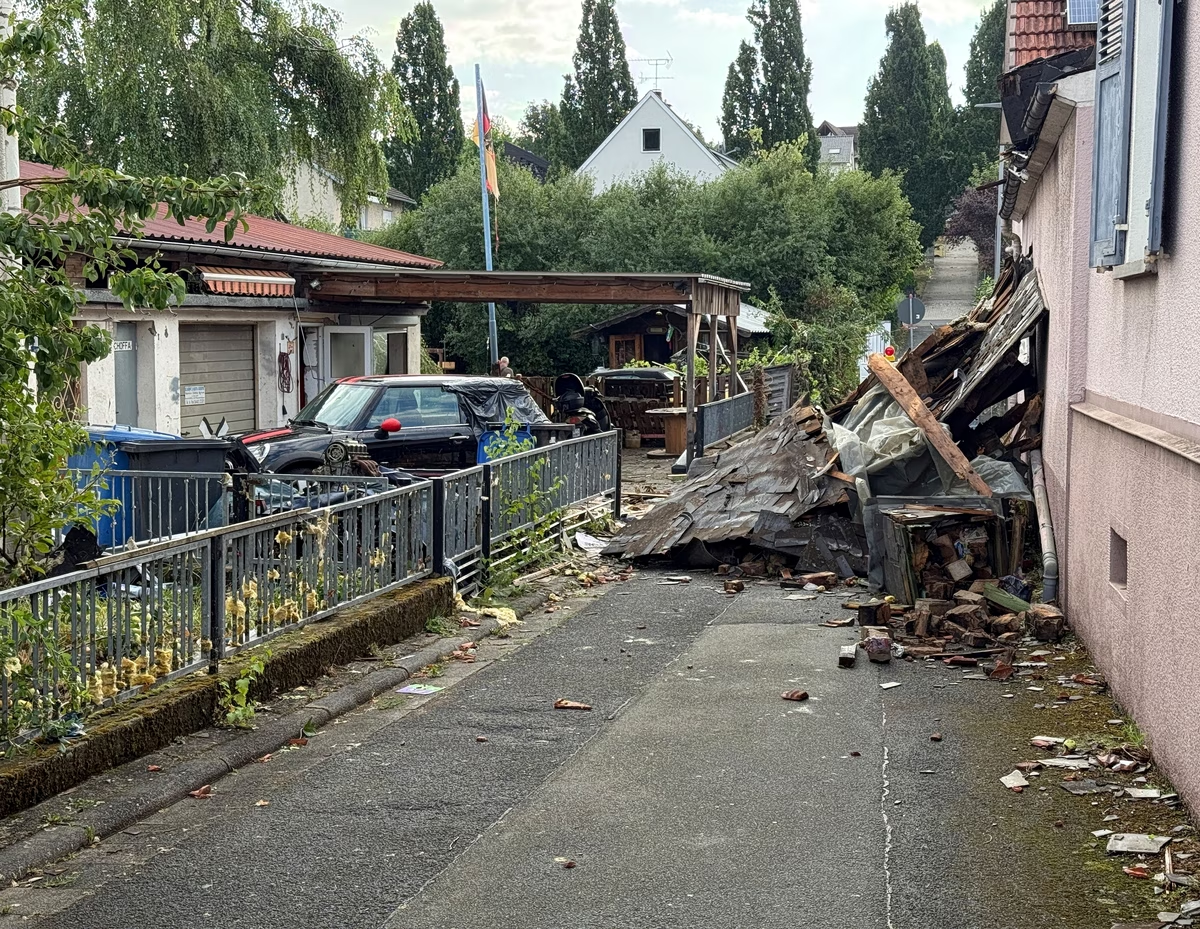
The storms left a visible mark on the affected communities, with reports of structural damage to buildings, uprooted trees blocking roads and pathways, and disruptions to power and transportation networks. Residents in impacted areas were urged to remain cautious and avoid unnecessary travel until conditions improved and cleanup efforts could be safely completed.
Utility crews worked to restore electricity to households and businesses that had been cut off during the worst of the storms. Meanwhile, municipal authorities began coordinating the removal of debris and assessing damage to public infrastructure, including roads, parks, and public buildings.
In some areas, the combination of strong winds and heavy rainfall created particularly challenging conditions, with emergency responders dealing simultaneously with flood-related incidents and storm damage. Local fire brigades and disaster management agencies received a heightened volume of emergency calls during the storm's peak intensity.
Weather Warnings and Public Safety Measures
German meteorological services had issued weather warnings ahead of the storms, alerting the public to the potential for severe conditions. Residents in vulnerable areas were advised to stay indoors, secure loose outdoor items, and monitor official updates from emergency management authorities.
Despite these precautions, the speed and intensity of the weather system meant that some areas experienced conditions more extreme than initially forecast. This highlighted ongoing challenges in accurately predicting the behavior of storm systems that develop rapidly and can intensify quickly under the right atmospheric conditions.
Public safety officials reiterated the importance of heeding weather alerts and taking protective measures during severe weather events. In the wake of the storms, there were renewed calls for communities and local governments to review emergency preparedness plans and ensure that early warning systems are as effective as possible.
Broader Climate Context
The events in Germany are part of a wider pattern of extreme weather being experienced across Europe and beyond. Climate scientists have long warned that rising global temperatures are contributing to more frequent and more intense weather events, including both prolonged droughts and severe storm episodes.
Germany itself has faced increasing scrutiny regarding its climate adaptation strategies, as the country works to balance economic and industrial priorities with the growing need to address climate-related risks. The latest storms serve as a pointed reminder of the real-world consequences of changing weather patterns, both for individual communities and for national infrastructure planning.
Internationally, European governments have been working through various frameworks to coordinate responses to climate-related extreme weather events, sharing data, resources, and best practices for disaster preparedness and response. However, events like those seen in Germany illustrate that even well-prepared nations can face significant challenges when nature delivers weather of exceptional severity.
Recovery Efforts Underway
In the days following the storms, recovery efforts have been the primary focus for affected communities. Cleanup operations, infrastructure repairs, and support for those whose homes or properties were damaged are all ongoing priorities for local and regional authorities.
The loss of the woman who died in the storms has cast a somber tone over recovery efforts, serving as a reminder of the human stakes involved when severe weather strikes. Officials have expressed condolences to the victim's family while reaffirming their commitment to minimizing future risks through improved preparedness, faster emergency response, and continued investment in weather monitoring systems.
As Germany moves forward from this latest episode of extreme weather, the events are likely to inform ongoing discussions about climate resilience, urban planning, and the measures needed to protect communities from the growing threat of severe weather events in a changing climate.