Kyiv Endures One of Its Longest and Deadliest Aerial Assaults
The Ukrainian capital of Kyiv was struck by a prolonged and devastating Russian aerial attack that lasted close to nine hours, according to Ukrainian authorities. The assault, which combined dozens of ballistic missiles, cruise missiles, and 168 drones, resulted in the deaths of at least 13 people and marked one of the more intense bombardments the city has faced since the war began.
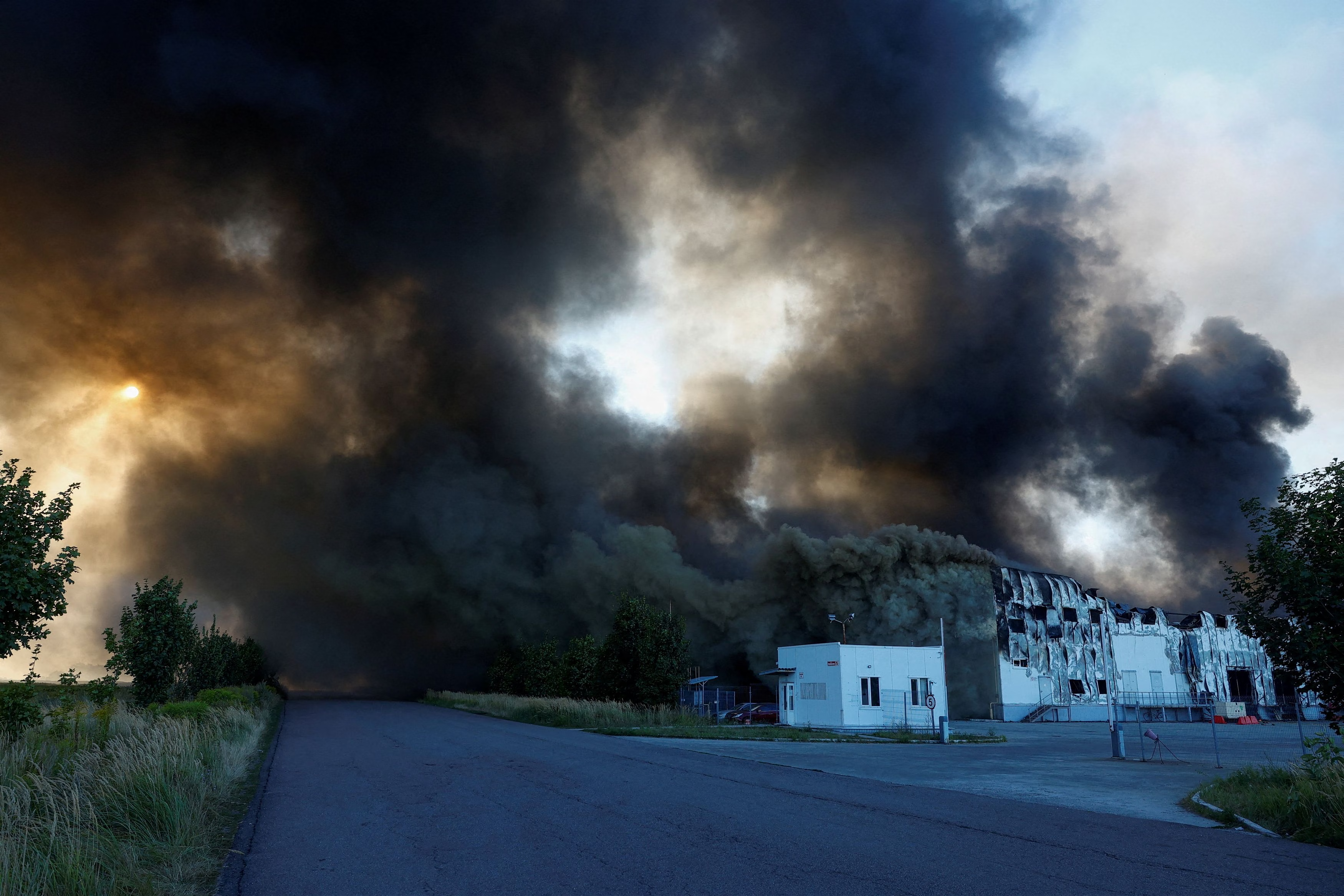
Ukrainian officials confirmed that emergency services were deployed across multiple districts of the capital as the strikes caused significant damage to residential areas, infrastructure, and civilian properties. Rescue teams worked through the night and into the morning hours to reach those trapped under rubble and to extinguish fires triggered by the impacts.
Scale and Duration of the Russian Attack
The attack's nearly nine-hour duration drew particular attention from military analysts and government officials alike, as it placed sustained pressure on Ukraine's air defense systems throughout an extended period. Ukrainian air defense units worked continuously to intercept incoming projectiles, though the sheer volume and variety of weapons used made it difficult to neutralize every threat before impact.
According to Ukrainian authorities, Russia deployed a combination of weapons systems in the strike, including:
- Dozens of ballistic missiles capable of traveling at high speeds and on steep trajectories, making them harder to intercept
- Cruise missiles, which fly at lower altitudes and can be guided toward specific targets
- 168 drones, which were used in conjunction with the missiles to overwhelm defensive capabilities
The use of multiple weapons categories simultaneously is a tactic that has been increasingly employed by Russian forces, as it forces air defense operators to prioritize and respond to different threat types at the same time, often allowing some projectiles to slip through defensive coverage.
Casualties and Humanitarian Impact
At least 13 people lost their lives in the assault, with additional casualties reported in the form of injuries. Local health authorities were placed on high alert as hospitals received those wounded in the strikes. Ukrainian President Volodymyr Zelensky addressed the nation following the attack, condemning the bombardment and calling on international partners to provide additional air defense support.
The destruction caused by the strikes affected not only human lives but also critical infrastructure. Power outages were reported in parts of the city, and water supply disruptions were noted in several neighborhoods as repair crews worked to assess and address the damage. Schools and public buildings in affected areas were temporarily closed as officials evaluated structural safety.
Civilian Areas Bear the Brunt
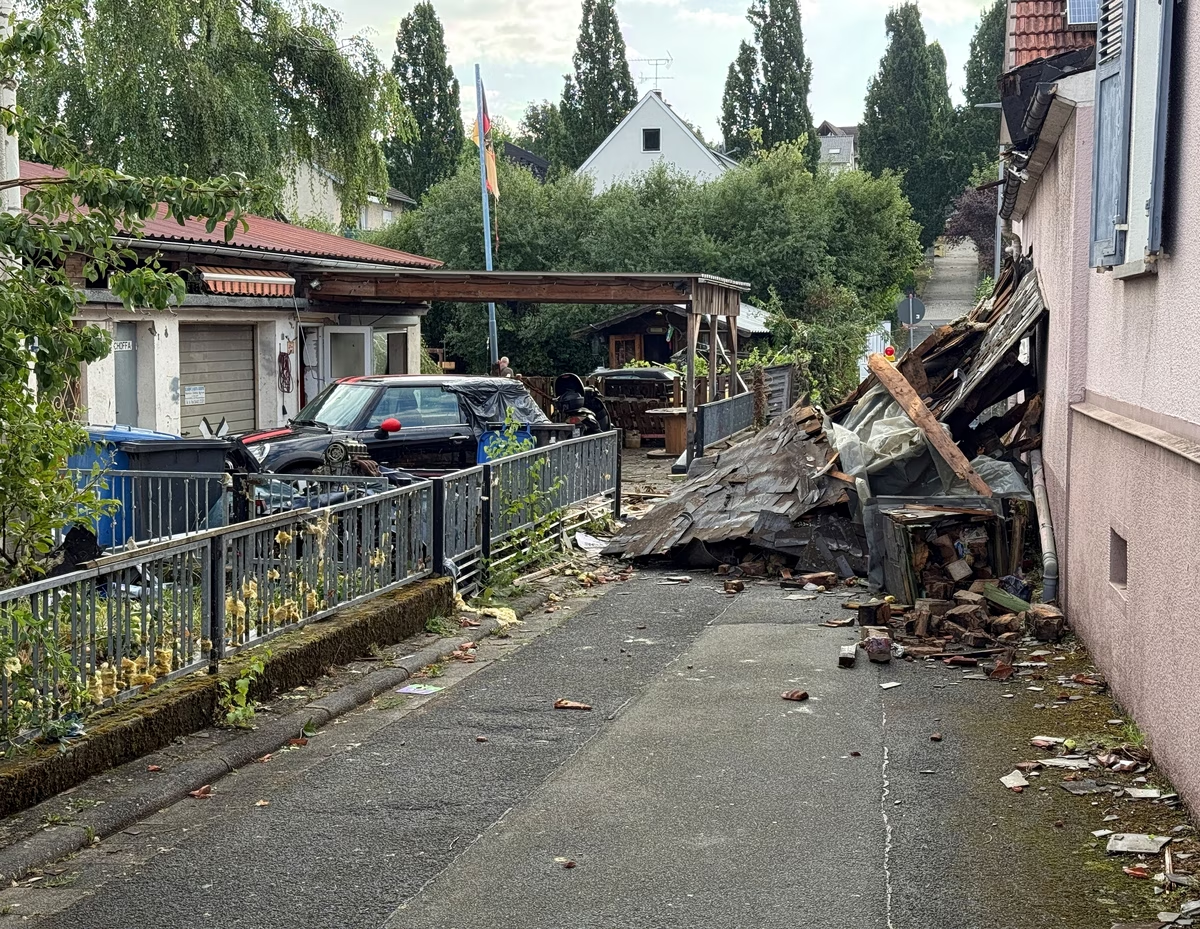
As has been documented in previous Russian attacks on Ukrainian cities, civilian areas bore a significant portion of the destruction. Residential apartment buildings and civilian vehicles were among the targets hit, raising renewed concerns among humanitarian organizations about compliance with international law governing armed conflict. Ukrainian officials described scenes of devastation in multiple neighborhoods and urged residents to remain in shelters during ongoing air raid alerts.
Russia Reports Intercepting Over 726 Ukrainian Drones
In a separate but related development, the Russian Ministry of Defense announced that its air defense systems had intercepted more than 726 Ukrainian drones over Russian territory. The announcement underscored the increasingly symmetrical nature of drone warfare in the conflict, with both sides employing unmanned aerial vehicles in large numbers to strike targets deep within enemy-controlled territory.
Russia did not specify the exact timeframe over which these interceptions occurred, nor did it provide a detailed breakdown of where the drones were heading or what targets they may have been aimed at. Such claims are difficult to independently verify, as both Russian and Ukrainian governments regularly release information that serves their respective strategic narratives.
Drone Warfare as a Central Feature of the Conflict
The scale of drone activity reported by both sides reflects a broader shift in modern warfare that has become particularly evident in the Russia-Ukraine conflict. Ukraine has made extensive use of long-range drones to strike targets inside Russia, including oil refineries, military installations, and airfields. Russia, in turn, has deployed Iranian-designed Shahed drones in large swarms to overwhelm Ukrainian defenses and strike civilian and military infrastructure.
Military experts have noted that drone warfare offers several strategic advantages, including relatively low cost compared to conventional missiles, the ability to be produced or acquired in large quantities, and the psychological effect of sustained aerial threats on civilian populations. Both nations have invested heavily in drone production and interception technology as the war has progressed.
International Reactions and Diplomatic Context
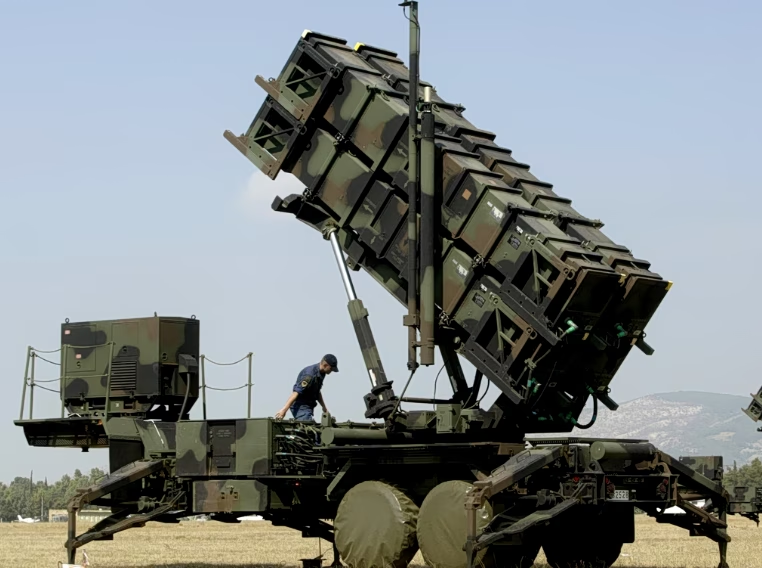
The latest wave of strikes drew condemnation from several Western governments and international bodies. European Union officials reiterated calls for Russia to end hostilities and respect civilian life, while NATO member states expressed solidarity with Ukraine. Some governments used the occasion to announce additional military aid packages, including air defense systems and ammunition supplies intended to help Ukraine better protect its cities.
Diplomatic efforts to bring about a ceasefire or negotiated settlement have shown limited progress. Several rounds of talks facilitated by neutral parties have failed to produce a lasting agreement, and both Russia and Ukraine have continued military operations while negotiations remain stalled. International observers have warned that the continued targeting of civilian infrastructure increases the risk of a broader humanitarian catastrophe.
Ongoing Situation and Outlook
As of the latest reports, Ukrainian air defense units remained on high alert across the country, anticipating the possibility of additional Russian strikes. The Ukrainian government urged citizens to follow safety protocols and heed air raid warnings promptly. Reconstruction efforts in previously damaged areas of Kyiv were temporarily halted as resources were redirected toward responding to the most recent assault.
The conflict shows no immediate signs of de-escalation, with both sides continuing to exchange large-scale attacks. The human cost of the war continues to mount, and the latest strikes on Kyiv serve as a stark reminder of the ongoing dangers facing the Ukrainian civilian population as the conflict extends into another phase of intense aerial bombardment.