Why has Emmanuel Macron lost support among the youth?
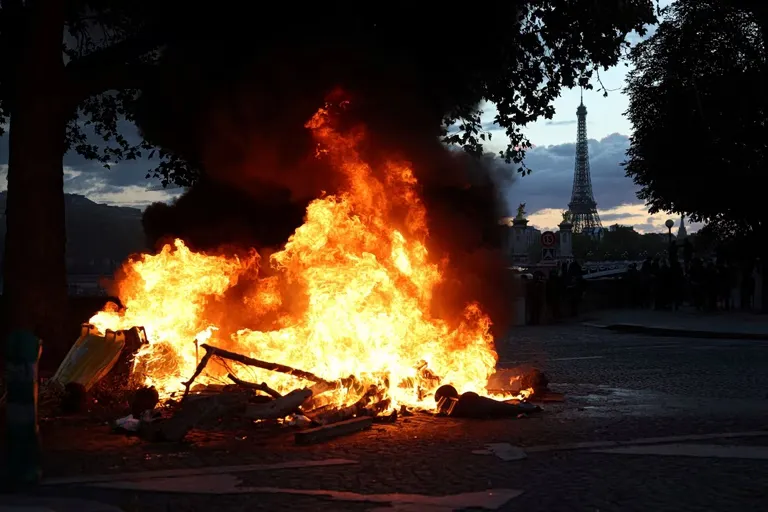
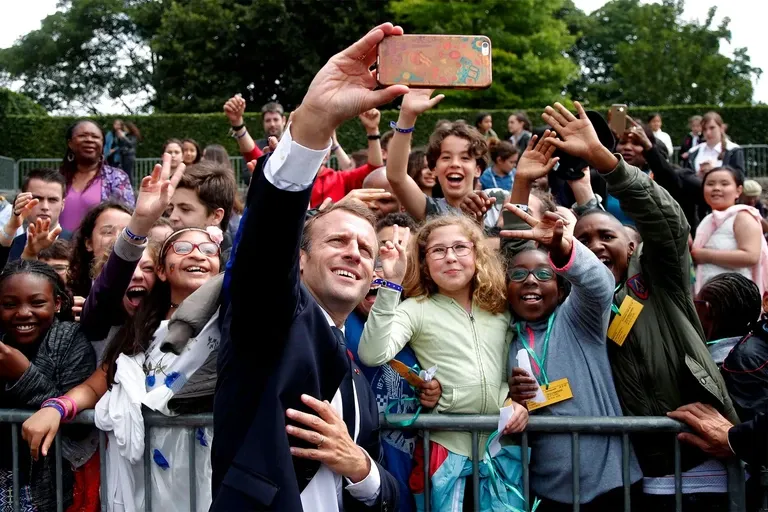
Emmanuel Macron, initially seen as a beacon of change, has increasingly alienated the youth. His presidency began with promises of social emancipation and renewal, but recent years have seen a growing disconnect. According to Le Monde, student protests have surged since September 2026, aligning with other discontented groups, including the 'yellow vests'. This movement seeks to recreate the pressure that led to government retreats during the winter of 2018-2019.
How did Macron's image evolve from renewal to alienation?
In 2017, Macron was perceived as a fresh political force, representing a generational shift. Historian Jean-François Sirinelli noted Macron's appeal to a France emerging from the baby boomer era. However, his initial electoral support among the 18-24 age group was limited, trailing behind Jean-Luc Mélenchon and Marine Le Pen. This demographic shift has become more pronounced, with Ipsos-BVA's Adelaide Zulfikaratics highlighting that Macron's core supporters have aged, diminishing his appeal among younger voters.
What educational reforms have impacted Macron's youth support?
Macron's educational policies, once central to his political identity, have faced criticism. His administration's efforts to reduce class sizes and introduce cultural access cards were initially well-received. However, the value of these initiatives has declined since 2025. Former Education Minister Jean-Michel Blanquer defended these reforms, but frequent changes to the baccalaureate exams and academic schedules have created instability. Historian Manon Pinot argues that these reforms lacked meaningful consultation, exacerbating dissatisfaction among students and educators.
Impact of educational policy shifts
The continuous modifications in educational policies have led to a deteriorating school environment, with students and teachers losing reliable reference points. This has contributed to a broader sense of disillusionment with Macron's leadership among the youth.
What were the early signs of youth alienation from Macron?
The disconnect between Macron and the youth became evident early in his presidency. Reductions in housing aid, the implementation of the Parcoursup platform for higher education access, and plans for a National Service were sources of discontent. Macron's often distant political approach further reinforced the perception of a president out of touch with young people's daily struggles. Tensions escalated with the handling of student protests, notably the arrest of teenagers in 2018 and the controversial policing of demonstrations.
How did the COVID-19 pandemic affect Macron's relationship with the youth?
The COVID-19 pandemic intensified the challenges faced by young people, with lockdowns and school closures isolating them during a critical phase of socialization. In October 2020, Macron acknowledged the difficulties of being 20 years old in 2020, referencing canceled exams and job market uncertainties. Despite attempts to reconnect with the youth through social media, the gap has persisted, highlighting a significant challenge for his administration.
Frequently asked questions
What led to the youth protests against Macron?
Youth protests against Macron are driven by dissatisfaction with his policies, perceived as disconnected from their needs, and a desire for political change.
How has Macron's support among young voters changed?
Macron's support among young voters has declined significantly, with many feeling alienated by his policies and leadership style.
What role did education reforms play in the youth's discontent?
Education reforms, marked by frequent changes and lack of consultation, have contributed to the youth's discontent with Macron's administration.
How did the pandemic impact Macron's relationship with the youth?
The pandemic exacerbated existing challenges, isolating young people and highlighting gaps in Macron's understanding of their struggles.
What are the implications of the youth's disconnection from Macron?
The youth's disconnection from Macron poses a significant political challenge, potentially affecting his ability to implement future policies effectively.
Key takeaways
- Emmanuel Macron's presidency faces a growing disconnect with the youth.
- Youth protests have intensified, seeking political change.
- Educational reforms have contributed to dissatisfaction among young people.
- The COVID-19 pandemic exacerbated challenges faced by the youth.
- Macron's support among young voters has significantly declined.
Conclusion
Emmanuel Macron's presidency, once a symbol of youth and renewal, now faces significant challenges due to a growing disconnect with the younger generation. The intensifying protests and dissatisfaction highlight the need for Macron to address the concerns of young French citizens effectively. As his administration navigates these challenges, the implications for French politics and society remain profound, underscoring the importance of bridging the gap between leadership and the aspirations of the youth.