Why are European far-right leaders distancing themselves from Donald Trump?
European far-right leaders are increasingly adopting a policy of strategic distancing to separate their domestic agendas from the perceived instability of the Trump administration. While these politicians often champion similar nationalist and anti-globalization principles, the recent Republican losses in the 2026 midterms have highlighted the electoral risks of being too closely tethered to the US President. Leaders are attempting to walk a delicate transatlantic tightrope: supporting the core tenets of 'Trumpism' while rejecting the chaos that accompanies his specific brand of governance.
The primary drivers of this distancing include several key geopolitical and economic concerns:
- Geopolitical Unpredictability: Even the most right-wing European leaders find Trump's unpredictable foreign policy, particularly regarding European defense and international stability, to be a liability.
- Economic Protectionism: Trump's brand of economic nationalism, including the imposition of punitive tariffs, directly conflicts with the interests of European leaders who must defend domestic jobs and national sovereignty.
- Territorial Ambitions: Specific threats, such as those regarding Greenland, have proven problematic for leaders who position themselves as defenders of state integrity.
According to the Guardian, this creates a paradox where leaders embrace the ideology of Trumpism—such as strict border controls and cultural protectionism—but condemn the individual's personal instability and its impact on global markets.
How have specific European leaders reacted to the midterm results?
Responses across Europe have varied from subtle critiques of policy to outright declarations of political independence. The goal for most is to extract ideological benefits from the Trump movement without absorbing the political fallout of his electoral failures.
Nationalist responses in France, Germany, and Italy
In France, Jordan Bardella, leader of the National Rally (RN), has been a prominent voice in this shift. While avoiding direct personal attacks on the US President, Bardella has criticized American military actions in Iran, noting their "very serious consequences" for the global economy. This approach allows him to maintain a nationalist stance while positioning himself as a responsible leader concerned with economic stability.
In Germany, Alice Weidel of the AfD has pointed to a breach of trust, stating that Trump failed to deliver on his promise to avoid an interventionist foreign policy. She suggested that this failure would haunt the Republican party. Similarly, in Italy, Roberto Vannacci of the National Future party noted that the election results proved the dangers faced by any politician who fails to fulfill pre-election commitments, stating that Trump simply "did not meet expectations."
Spain offers perhaps the most extreme example of this distancing. Santiago Abascal, leader of Vox, has signaled a near-total lack of interest in the American political landscape, famously remarking that he is "in Spain, not in Michigan" and cares very little for foreign affairs. This reflects a growing trend of "national-first" populism that views US political volatility as a distraction from domestic priorities.
What role does the cost of living play in far-right strategy?
The cost of living has emerged as a primary weapon for European far-right parties, particularly those currently in opposition. The 2026 US midterms provided a stark lesson: economic discontent, driven by inflation and housing crises, can trigger massive electoral shifts that override traditional ideological alignments.
Political strategists observe that while identity politics and immigration remain central to the far-right's rhetoric, the ability to address the "pocketbook issues" of voters is what drives actual electoral victories. This is evident in several key party strategies:
- France: The National Rally is prioritizing purchasing power. Jordan Bardella has proposed reducing VAT on electricity, natural gas, and fuel, alongside policies to allow wage increases without increasing payroll taxes.
- Spain: Vox is leveraging the housing crisis and rising living costs to pressure the current socialist government, aiming to position itself as a viable partner for a right-wing coalition.
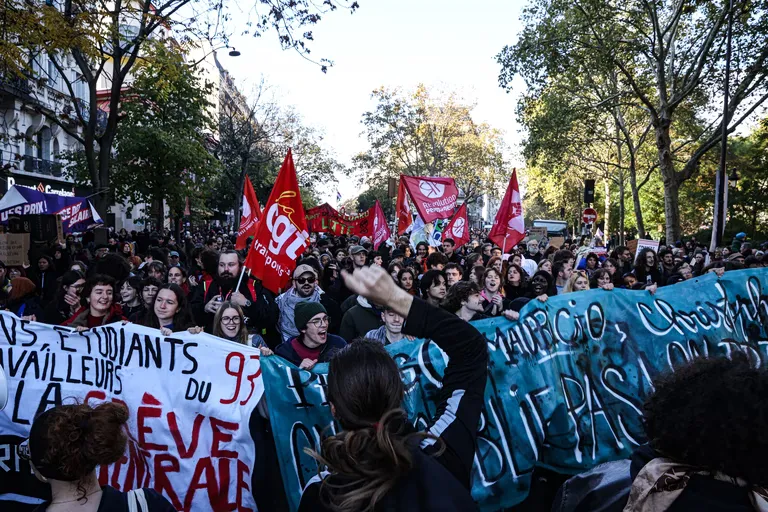
- Italy: For those already in power, like Giorgia Meloni, the lesson is a warning. Meloni has faced significant domestic protests in Rome and Milan driven by fuel costs and inflation, proving that economic mismanagement can undermine even established populist governments.
As noted by Matteo Salvini of the Lega, international tensions and wars directly impact family finances, making economic stability a prerequisite for political survival.
Can European populists maintain ideological affinity without political association?
The challenge for European populists is to sustain the "ideological momentum of Trumpism" while avoiding the "chaos and economic upheaval" associated with his presidency. This is what Eurasia Group consultant Mustafa Rahman describes as a move driven by domestic political gain.
The strategy is to decouple the movement from the man. By adopting the policy pillars of the MAGA movement—such as skepticism of globalization and a focus on national identity—European leaders can appeal to a similar voter base. However, by distancing themselves from the specific actions of the Trump administration, they protect themselves from being blamed for global economic instability or failed foreign interventions.
This distinction is vital for the survival of parties like the National Rally or the AfD. They seek to present themselves as the stable, competent versions of the nationalist movement, capable of governing effectively without the volatility that characterized the recent Republican experience in the United States.
Frequently asked questions
Why is the European far-right wary of Donald Trump's economic policies?
European leaders fear that Trump's economic nationalism and use of punitive tariffs will harm their own national economies. Because these leaders often campaign on defending domestic jobs and national sovereignty, they cannot support a US policy that imposes trade barriers or threatens the economic stability of their own member states.
How do European populists view the 2026 US midterm results?
They view the Republican defeat as a cautionary tale. The results suggest that voters will punish leaders who fail to deliver on economic promises. Consequently, European populists are using the outcome to emphasize their own focus on the cost of living and domestic economic stability.
Does the far-right in Europe still support Trump's immigration policies?
Yes, they generally support the ideological core of his immigration stance. Most European far-right parties share his emphasis on stricter border controls and national identity, even if they distance themselves from his personal leadership style and foreign policy decisions.
What is the "Trumpism without Trump" strategy?
This strategy involves adopting the populist, nationalist, and anti-globalist ideological framework of the MAGA movement while rejecting the specific political and personal volatility of Donald Trump. It allows European leaders to appeal to similar voters while avoiding the electoral risks associated with his presidency.
How has the cost of living affected populist governments in Europe?
For populist leaders already in power, such as Giorgia Meloni, rising costs of living and inflation have become major sources of domestic instability. Economic discontent can lead to widespread protests and undermine the very popularity that brought these nationalist leaders to power.
Key takeaways
- European far-right leaders are strategically distancing themselves from Donald Trump following the 2026 Republican midterm defeats.
- While supporting nationalist ideologies, leaders reject Trump's economic protectionism and unpredictable foreign policy.
- The cost of living has become a central electoral tool for opposition parties like the National Rally.
- Populist leaders in power, such as Meloni, face risks from economic discontent and inflation.
- The goal is to maintain "Trumpist" ideology while avoiding the chaos of his presidency.
Conclusion
The 2026 US midterm elections have forced a recalibration of the relationship between European populism and the Trump movement. While the ideological overlap regarding nationalism and immigration remains significant, the practical reality of governance has dictated a more cautious approach. European leaders are learning that while identity politics can win elections, economic stability is required to keep them. By decoupling their domestic agendas from the volatility of the White House, the European far-right is attempting to secure its ideological future while insulating itself from the unpredictable consequences of American political shifts.