Why are mass protests becoming a driver of political change?
Mass mobilizations act as a catalyst for shifting the fundamental balance of power within a nation rather than serving as mere outlets for public anger. When large segments of the population—specifically the middle class and the working strata—take to the streets, they transition from passive observers to active participants in political reconfiguration. This process is not a random explosion of youth delinquency but a calculated response to systemic pressures.
The primary drivers behind these movements are twofold: the unbearable surge in the cost of living and a growing sense of political cynicism. As daily survival becomes increasingly difficult, the social contract begins to fray. When citizens feel that the existing political system no longer represents their interests or provides stability, they seek alternatives through collective action. These protests serve as a field where the very relationship between the governed and the governors is renegotiated.
The role of economic pressure in social unrest
The cost of living crisis acts as the primary ignition point for widespread discontent. When inflation and basic living expenses outpace wage growth, the resulting economic anxiety creates a fertile ground for mobilization. Unlike localized strikes, these movements are characterized by their broad demographic reach, uniting various social layers under a common cause of economic survival and future security.
How does collective action influence individual political behavior?
Participation in large-scale demonstrations fundamentally alters the psychological and political outlook of the individual. Beyond the immediate expression of grievance, these events foster a sense of solidarity that combats the isolation often felt during economic crises. When people realize their struggles are shared by others, the perception of hopelessness begins to transform into a sense of collective agency.
This shift in consciousness leads to several critical behavioral changes:
- Increased Confidence: Individuals gain the belief that systemic change is possible through coordinated effort.
- Value Re-prioritization: Protesters often begin to reassess their personal values and long-term life goals.
- Political Realignment: The experience of mobilization encourages citizens to seek out and support political formations that offer genuine programs for structural change.
Consequently, the street becomes a training ground for a new type of political engagement, where the focus shifts from reacting to policy to demanding entirely different political paradigms.
What is the impact of perceived political illegitimacy?
A critical dimension of modern European unrest is the crisis of legitimacy facing established governments. When a ruling administration is perceived as lacking a mandate or being disconnected from the realities of its citizenry, it often resorts to increasingly authoritarian methods to manage dissent. This cycle of perceived illegitimacy and subsequent state repression further fuels the fire of mobilization.
The tension arises when a government attempts to maintain control through force rather than through consensus or effective policy. This approach often backfires, as it validates the protesters' claims that the system is unresponsive and out of touch. In such environments, the political struggle is no longer just about specific laws or taxes, but about the very right of the current leadership to govern.
Is a similar pattern emerging in other European nations?
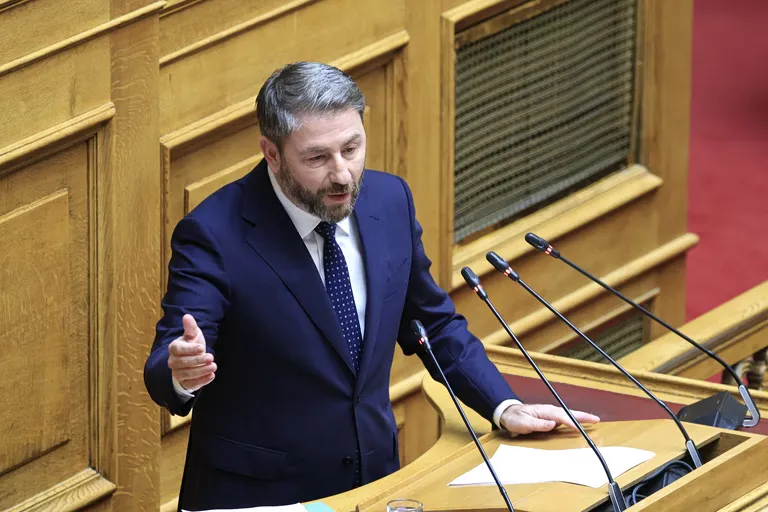
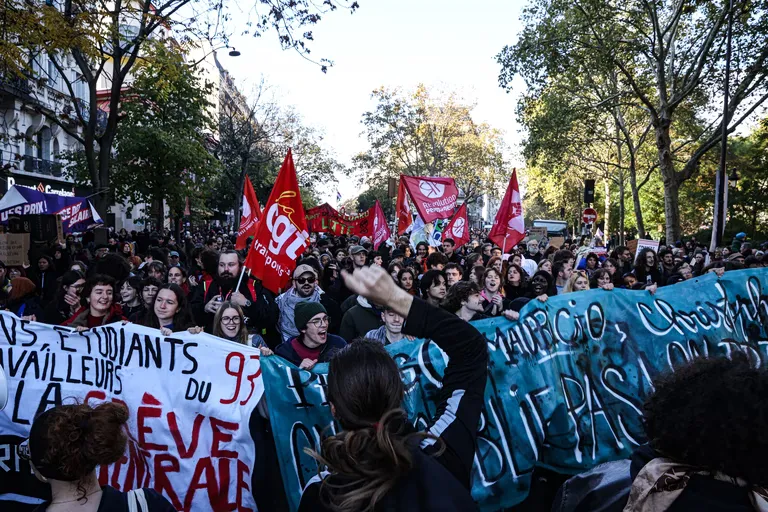
While the intensity of the protests in France provides a visible template, the underlying symptoms of political discontent are visible in other regions, including Greece. Although the scale of mobilization may differ, the core drivers remain consistent: widespread dissatisfaction, a crisis of government legitimacy, and an active search for alternative political solutions.
The transition from social discontent to political reality follows a predictable path. It begins with shifts in societal attitudes—where people change how they work, live, and dream—and eventually moves from the streets to the ballot box. The changing social equilibrium is a precursor to a new political landscape. Even if the movements have not yet reached an explosive phase in every country, the movement toward a different political direction has already begun at the grassroots level.
Key takeaways
- Mass protests in Europe are reshaping power dynamics rather than just expressing anger.
- The cost of living crisis is a primary driver for middle and working-class mobilization.
- Collective action builds social solidarity and increases individual political confidence.
- Perceived government illegitimacy often leads to authoritarian responses that fuel further unrest.
- Societal shifts in values eventually manifest as significant changes in electoral outcomes.
FAQ: Political change and mass mobilization
What is driving the recent protests in France?
The protests are primarily driven by the escalating cost of living and a growing dissatisfaction with the political establishment. Large portions of the working and middle classes are mobilizing against economic pressures and a perceived lack of government legitimacy regarding their needs and future stability.
Do protests actually change political systems?
Yes, mass mobilizations can change the political landscape by altering the social equilibrium. They shift how people perceive their power, encourage support for new political movements, and eventually influence voting behavior, leading to new government prospects and structural shifts in power.
Why does the cost of living trigger such large movements?
The cost of living crisis affects the fundamental ability of citizens to maintain a standard of living. When economic survival is threatened, it creates a shared sense of urgency and desperation that can unite diverse social groups against the existing political and economic order.
How does government response affect social unrest?
When governments respond to protests with authoritarian measures or increased repression, it often exacerbates the problem. Such actions can validate the protesters' claims of illegitimacy and further alienate the population, turning localized grievances into broader movements for systemic change.
Can individual citizens influence these large-scale shifts?
Individual participation in movements contributes to a collective sense of agency and solidarity. This shared experience can change personal values and political preferences, which, when aggregated across a population, drive the larger societal and electoral shifts that redefine a nation's political direction.
Conclusion
The current wave of mobilization across Europe signifies a profound transition in the continent's social and political fabric. These movements are not isolated incidents of unrest but are symptomatic of a deeper realignment caused by economic hardship and a breakdown in political trust. As citizens rediscover their collective agency through the streets, the resulting shift in values and priorities will inevitably reshape the political landscape. The transition from societal discontent to institutional change is a decisive process that, once set in motion, fundamentally alters the trajectory of modern governance.