Why are exercises for your legs so important for aging?
Focusing on lower body strength becomes increasingly critical as we progress through different stages of life. The knee and hip joints are central to nearly every fundamental movement we perform daily. Without sufficient muscular support, these joints are more susceptible to wear and instability.
Maintaining strength in these areas directly impacts several key aspects of functional health:
- Mobility: Stronger muscles allow for a greater range of motion in the hips and knees.
- Balance: Lower body stability is the primary defense against falls and loss of equilibrium.
- Independence: The ability to perform basic tasks, such as standing up from a seated position or navigating stairs, is dependent on leg strength.
- Injury Prevention: Muscular reinforcement acts as a shock absorber, protecting the joints from excessive impact.
By implementing a systematic strength training approach, individuals can build a muscular foundation that supports these vital joints, ensuring that the skeletal structure remains stable during both routine activities and more strenuous physical efforts.
What are the best exercises for knee and hip stability?
Specific movements can target the stabilizing muscles that are often neglected in general fitness routines. Two highly effective methods include banded clam shells and Bulgarian split squats, both of which emphasize control and unilateral stability.
Targeted Glute Activation with Banded Clam Shells
Banded clam shells are designed to activate the gluteus medius and gluteus minimus. These muscles are essential for stabilizing the hips and controlling the alignment of the knees during movement. To perform this exercise, lie on your side with your knees bent at approximately 90 degrees. Place a resistance band just above the knees. Keeping your feet together, slowly lift the top knee without rotating your pelvis. Return to the starting position in a controlled manner and repeat on the opposite side. This exercise is particularly useful for those looking to improve lateral hip stability.
Improving Balance with Bulgarian Split Squats
Bulgarian split squats are a more advanced movement that targets the quadriceps and glutes while simultaneously challenging your balance. To execute this, place one foot behind you on a low, stable bench or step, with the other foot forward on the floor. Lower your hips toward the ground by bending the front knee, then drive through the front foot to return to a standing position. Because this is a unilateral exercise, it forces the stabilizing muscles of the hip and knee to work harder to maintain an upright posture.
How can goblet squats and step-ups enhance lower body power?
For those looking to engage larger muscle groups and improve overall functional power, goblet squats and step-ups provide excellent stimulus for the quadriceps and glutes.
Goblet squats involve holding a weight (such as a dumbbell or kettlebell) close to the chest. Standing with feet roughly shoulder-width apart, you bend at the knees and hips, lowering your body as far as your mobility allows while maintaining a straight torso. This weight placement helps keep the spine upright and encourages better squat mechanics. Once you reach the bottom of the movement, push through your feet to return to a standing position.
Step-ups offer a highly adaptable exercise for varying fitness levels. By stepping onto a low, stable platform and driving through the lead leg, you strengthen the quadriceps and glutes. The intensity can be adjusted by changing the height of the platform. For beginners, a lower step is recommended to ensure proper control, while more advanced individuals can use higher platforms or add weight to increase the challenge.
What is the role of hip bridges in joint health?
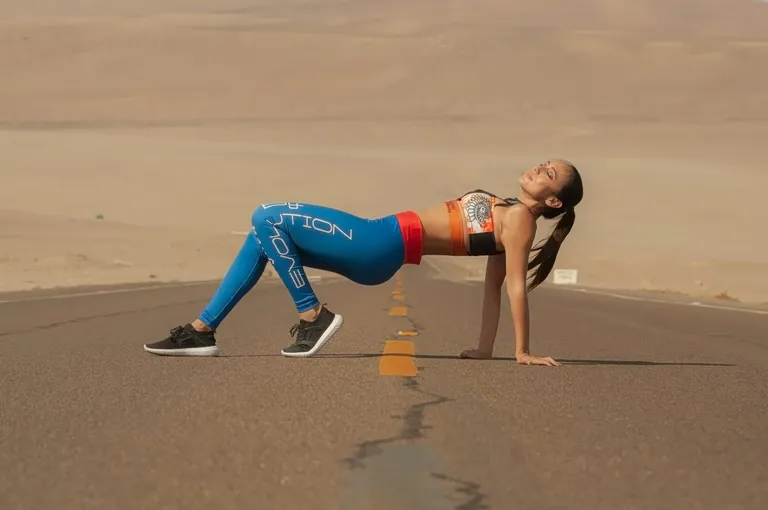
Hip bridges are a fundamental movement specifically targeting the gluteal muscles, which are the primary drivers of hip function. This exercise is excellent for those who spend a lot of time sitting and may experience weakened posterior chain muscles.
To perform a hip bridge, lie on your back with your knees bent and feet flat on the floor. Engage your core and lift your pelvis toward the ceiling by pressing through your feet. Continue the movement until your shoulders, hips, and knees form a relatively straight line. It is crucial to lower your hips slowly and avoid hyperextending the lower back to prevent strain. Regular hip bridges help ensure the glutes are properly engaged to support the hip joints during more complex movements.
How should you integrate these exercises into a routine?
Integrating new leg exercises does not require a complete overhaul of your current schedule. You can effectively improve your strength by adding a few sets of these movements to your existing weekly program, focusing on gradual progression.
Consistency is the most important factor in building muscular strength and joint stability. Rather than attempting high volumes immediately, start with a manageable number of repetitions and focus on maintaining perfect technique. As your strength improves, you can increase the difficulty by adding resistance, increasing the number of repetitions, or utilizing more challenging variations of the exercises.
It is vital to listen to your body. If you experience pain—rather than the typical muscle fatigue associated with exercise—stop the movement immediately. If you have pre-existing knee or hip issues, limited mobility, or a history of injury, it is highly recommended to consult a healthcare professional or a specialized fitness trainer before starting a new regimen.
FAQ: Exercises for your legs
How often should I train my legs for best results?
Frequency depends on your current fitness level and goals. For most people, incorporating lower body exercises two to three times per week is sufficient to see improvements in strength and stability. The key is allowing enough recovery time between sessions for the muscles to repair and grow stronger.
Can these exercises help reduce knee pain?
Yes, strengthening the muscles around the knee, such as the quadriceps and glutes, can help stabilize the joint and reduce the load on the actual bone and cartilage. However, if you have acute pain, you should consult a professional to ensure these specific movements are safe for your condition.
Do I need heavy weights to see progress?
Not necessarily. While adding weight can increase strength, many of these exercises—like banded clam shells or hip bridges—are designed to work through muscle activation and stability. For beginners, mastering the movement pattern with body weight is the most important first step before adding external resistance.
What is the difference between a squat and a Bulgarian split squat?
A standard squat is a bilateral movement where both feet remain on the ground, distributing weight evenly. A Bulgarian split squat is a unilateral movement where one foot is elevated behind you, placing significantly more demand on the balance and strength of the single working leg.
How do I know if my form is correct?
Correct form involves maintaining a stable core, avoiding excessive arching of the back, and ensuring the knees track properly over the feet. If you are unsure, performing the movements in front of a mirror or recording yourself can help you identify errors in your posture and alignment.
Key takeaways
- Strengthening the knees and hips is essential for maintaining mobility, balance, and independence as we age.
- Banded clam shells and Bulgarian split squats are excellent for targeting hip stability and glute activation.
- Goblet squats and step-ups provide effective ways to build power in the quadriceps and glutes.
- Hip bridges help support hip function by specifically targeting the gluteal muscle group.
- Consistency and gradual progression are more important than high intensity when starting a new routine.
Conclusion
Investing in the strength of your lower body is a proactive approach to long-term health. By focusing on the muscles that support the knees and hips, you can enhance your stability, improve your daily functional capacity, and protect your joints from the stresses of aging. Whether through simple bodyweight movements or more advanced resistance training, the goal remains the same: building a resilient foundation. Always prioritize proper technique and listen to your body's signals to ensure your fitness journey remains safe, effective, and sustainable for years to come.