What is the core objective of the GenRent PASOK housing program?
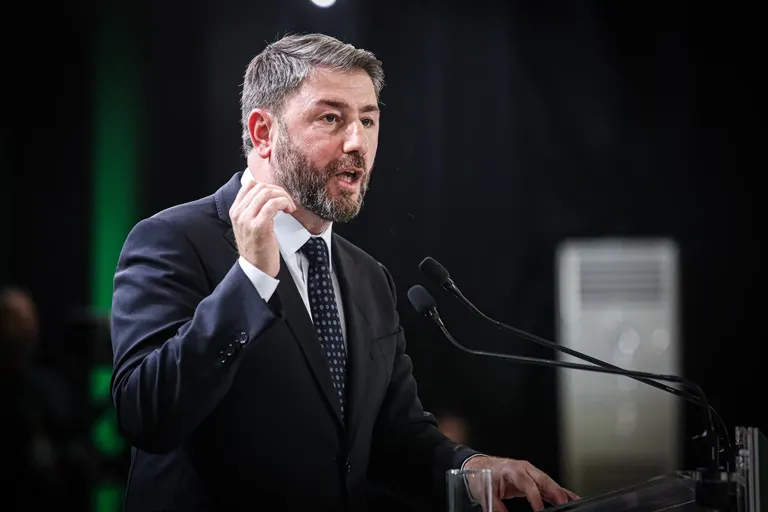
The primary goal of the GenRent initiative is to deliver 40,000 residential units to the Greek market through a combination of new construction and the renovation of existing structures. Nikos Androulakis, leader of the PASOK-KINAL opposition, presented this program as a direct response to the rising difficulty citizens face in securing affordable accommodation. By targeting a specific volume of 40,000 units, the party aims to shift the housing landscape from a state of scarcity to one of increased availability.
The program is designed to address the structural imbalances that have driven rental prices to levels that many, particularly younger generations, find unsustainable. Instead of relying solely on market forces, the GenRent proposal advocates for active state intervention to facilitate the entry of more properties into the long-term rental market. This involves not just building from scratch, but also breathing new life into older or neglected buildings that could serve as social housing.
Targeting the demographic gap
A significant portion of the program's logic is centered on the needs of the youth. Androulakis emphasized that the housing crisis is a barrier to the country's ability to sustain its population and meet the needs of its citizens. By focusing on increasing supply through GenRent, the opposition intends to create a pathway for younger residents to remain in urban centers rather than being forced out by economic pressure.
How does the proposal suggest utilizing state-owned property?
The PASOK proposal advocates for the aggressive repurposing of public real estate to serve social needs rather than private profit. Androulakis used the example of an EFKA (Social Security) building in Omonoia to illustrate a broader systemic failure. He argued that such state-owned assets should be converted into social housing to provide more units at lower rental rates, rather than being leased to private entities for minimal returns.
According to the opposition leader, the current government approach prioritizes short-term, low-yield private leases over long-term social benefits. The distinction made is between a property serving as a minor revenue stream for the state and a property serving as a cornerstone for urban social stability. The proposal suggests that if buildings like the Omonoia site were utilized for social housing, the resulting increase in supply would naturally exert downward pressure on market rents.
What regulatory measures are included in the PASOK housing plan?
Beyond the physical creation of homes through GenRent, the program includes several legislative and regulatory pillars intended to curb the volatility of the rental market. These measures aim to limit the influence of high-yield, short-term investment models that have traditionally squeezed out local residents.
The key regulatory components mentioned by Androulakis include:
- Restrictions on short-term rentals: Implementing limits on short-term tourist rentals in areas where the market is already saturated, thereby freeing up stock for permanent residents.
- Rent increase caps: Establishing a ceiling on how much landlords can increase rents, providing predictability for tenants.
- Abolition of the Golden Visa: Removing the investment-based residency program that has been linked to driving up property values and rents.
- Tax incentives for vacant homes: Using fiscal tools to encourage owners of closed or unused properties to bring them back into the rental market.
Why does the opposition criticize the current government's housing strategy?
The opposition characterizes the current administration's success stories as