How do the US midterm elections impact the Greek economy?
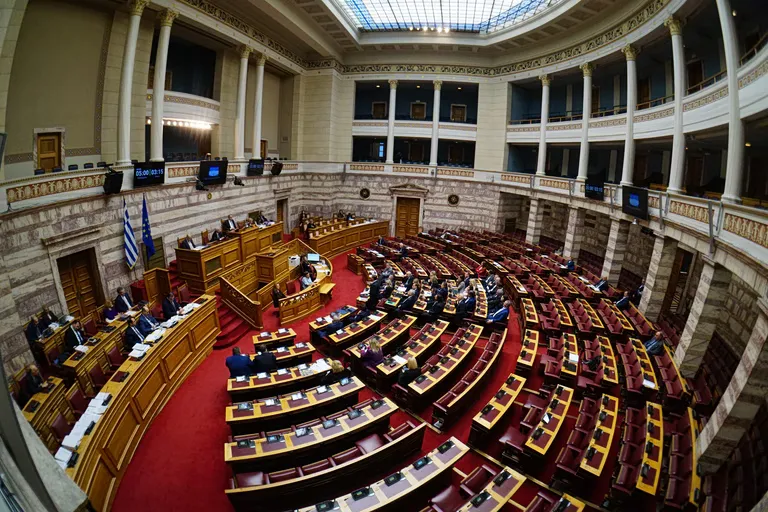
The connection between the US midterm elections and the Greek economy is primarily indirect, functioning through global market sentiment and macroeconomic variables. While a change in the composition of the US Congress does not guarantee a total reversal of American policy, it significantly alters the political maneuvering room available to the White House. According to analyst Giorgos Lagarias, an enhanced level of congressional oversight can restrict executive flexibility without necessarily triggering a radical shift in fundamental economic or foreign policy.
For Greece, the primary transmission channels are energy prices, the cost of borrowing, and the general climate of uncertainty that affects long-term investment decisions. A shift in the US political landscape could influence how Washington manages international conflicts, which in turn impacts global energy supply chains. While these shifts do not offer a guaranteed path to lower prices, they introduce a layer of volatility that Greek policymakers must account for when planning domestic fiscal and economic strategies.
Why does energy remain the primary threat to stability?
Energy costs represent the most immediate point of contact between international geopolitical tensions and the daily economic reality in Greece. Ongoing disruptions in the Middle East continue to weigh on energy commodity prices, creating a ripple effect throughout global production chains. This pressure manifests as increased operating costs for businesses and a simultaneous reduction in the purchasing power of households.
The economic data reflects these structural vulnerabilities. According to IOBE, inflation in Greece is expected to stand at 4% in 2026 and subside slightly to 3% in 2027. Growth projections remain modest, with 1.8% anticipated for the current year and 1.9% for the following year. The institute explicitly links the persistence of high inflation to energy price volatility and its secondary impacts on industrial production. Consequently, any shift in US energy policy or its approach to Middle Eastern stability could either exacerbate or mitigate these pressures on the Greek domestic market.
The link between geopolitics and household spending
The volatility in energy markets does more than just raise production costs; it creates a cycle of suppressed domestic demand. When energy prices spike, the resulting inflation erodes the real value of wage increases, making it difficult for households to maintain previous levels of consumption. This creates a dual challenge for the Greek government: protecting disposable income while maintaining the fiscal buffers necessary to respond to future external shocks.
How is consumption being affected by persistent inflation?
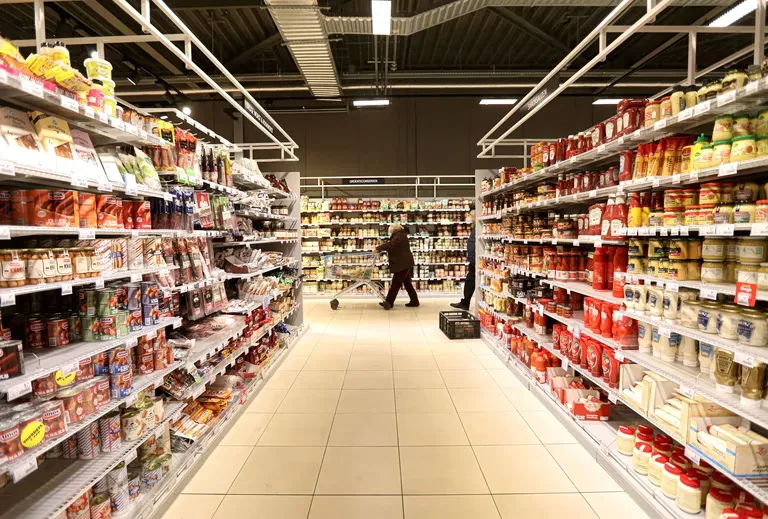
Persistent price increases are creating a secondary economic problem by limiting the effectiveness of income growth and complicating efforts to sustain domestic consumption. According to a recent Eurobank analysis, the current government economic strategy relies on several key pillars, including the deceleration of inflation, scheduled wage increases, and targeted tax relief.
However, if prices remain elevated for an extended period, the anticipated improvement in consumer purchasing power may be neutralized. This creates a delicate balancing act for economic policy. Policymakers must find ways to shield citizens from the rising cost of living without compromising the fiscal space required to manage potential global economic tremors. The success of this strategy depends heavily on whether inflation can be brought under control quickly enough to allow real wages to recover.
What are the risks regarding bond markets and financing?
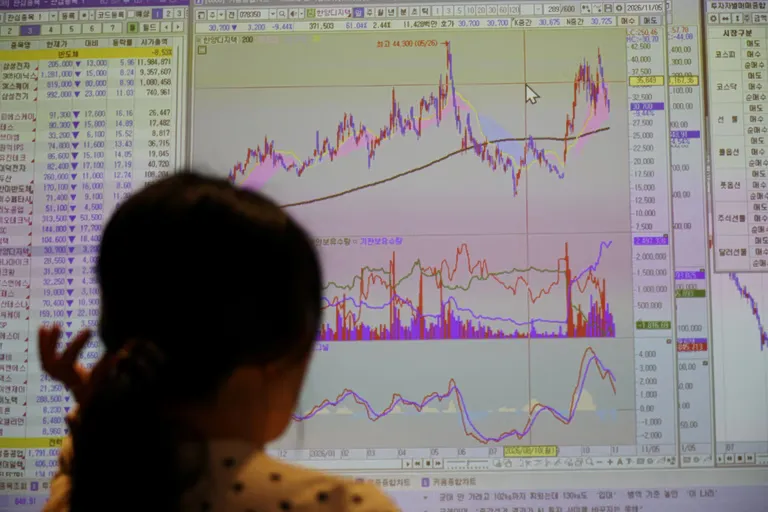
The political landscape in Washington can also influence global financing conditions through increased volatility in the bond markets. Changes in the US congressional balance can intensify disputes over the federal budget and, more critically, the US debt ceiling. According to Giorgos Lagarias, prolonged conflicts regarding the debt ceiling have the potential to raise risk premiums globally and trigger widespread market instability.
While a brief federal government shutdown is often manageable, a sustained crisis regarding debt limits poses a broader threat. For Greece, the transmission of this risk involves the general cost of capital for both the public sector and private enterprises. While a US election result does not automatically trigger an increase in Greek bond yields, it does expose the country to a more volatile international environment where financing becomes less predictable and potentially more expensive.
What is the investment outlook following the Recovery Fund?
The Greek economy is entering a critical transition period as it moves beyond the primary influence of the EU Recovery and Resilience Facility. Maintaining investment momentum is a significant challenge, especially as the composition of these investments becomes more vital for long-term productivity. According to Eurobank, the Public Investment Budget, excluding the Recovery Fund, is projected to rise to €11 billion in 2027, up from €9.8 billion in 2026.
Despite this projected increase, investment levels are estimated to reach approximately 18.6% of GDP, which remains below the Eurozone average. Furthermore, there are concerns regarding the nature of these investments; imports are expected to grow faster than exports. The central challenge lies in ensuring that capital is directed toward sectors that enhance domestic production, improve productivity, and boost export capacity, thereby reducing Greece's sensitivity to external shocks.
The role of trade policy and tariffs
The uncertainty surrounding international trade remains a significant hurdle for Greek exporters. According to an analysis by Rothschild & Co, a substantial portion of tariff policy remains under the control of the executive branch, regardless of which party holds the majority in Congress. This means that Greek businesses cannot assume that a change in the US political landscape will immediately restore trade predictability. Strategic planning for exports must account for the possibility of continued or even increased protectionism, which could impact the competitiveness of Greek goods in the global market.
Key takeaways
- Greek inflation is projected to be 4% in 2026 and 3% in 2027 according to IOBE.
- GDP growth is expected to reach 1.8% this year and 1.9% next year.
- The Public Investment Budget is forecast to grow to €11 billion by 2027.
- Investment levels are expected to remain at 18.6% of GDP, below the Eurozone average.
- US congressional shifts can influence global risk premiums and financing costs.
FAQ: Greek economy and international risks
How do US elections influence Greek energy prices?
US elections influence energy prices indirectly by shaping how Washington approaches international conflicts and energy diplomacy. Changes in US policy can alter global supply stability, which directly impacts energy commodity prices and, subsequently, the production costs and household expenses within the Greek economy.
Will US debt disputes affect Greek borrowing costs?
Yes, prolonged disputes over the US debt ceiling can increase global risk premiums and market volatility. While not a direct cause for higher Greek yields, such instability increases the general cost of capital and creates a more unpredictable environment for Greek public and private financing.
What is the projected growth for the Greek economy?
According to IOBE, the Greek economy is expected to grow by 1.8% during the current year. Looking ahead to 2027, the growth rate is projected to be slightly higher at 1.9%, though this remains subject to international volatility.
How does inflation impact Greek consumers?
Persistent inflation erodes the real value of wage increases, meaning that even when nominal incomes rise, the actual purchasing power of households may stay flat or decline. This makes it difficult to sustain domestic consumption levels and drives economic uncertainty.
Is Greek investment meeting Eurozone standards?
Current projections suggest that Greek investment will reach approximately 18.6% of GDP. While this shows growth, it remains below the average seen across the Eurozone, highlighting a need for more robust domestic investment to ensure long-term productivity.
Conclusion
The Greek economy stands at a crossroads, caught between domestic efforts to stabilize inflation and a highly unpredictable international environment. While the US midterm elections may not dictate Greek policy, they act as a catalyst for volatility in energy markets and global financing. To mitigate these risks, Greece must transition from a reliance on recovery funds to a more sustainable investment model that prioritizes productivity and export capacity. Navigating the coming years will require a careful balance of protecting consumer purchasing power while building the structural resilience necessary to withstand external economic shocks.