Why are students and teachers taking to the streets in 2026?
The primary drivers of the recent mass mobilization are the persistent structural failures within the Greek educational system and the escalating cost-of-living crisis. Unlike many student movements that are sparked by specific new government bills, the current unrest is a reaction to existing, unaddressed problems that have reached a breaking point.
According to an editorial analysis by Lefteris Th. Charalampopoulos, the core grievances include:
- Chronic Underfunding: A lack of adequate financial resources to maintain basic educational standards and infrastructure.
- Staffing Shortages: A growing deficit in necessary personnel across schools and universities, affecting the quality of instruction and administration.
- The Housing Crisis: A critical shortage of affordable student accommodation, which is being exacerbated by a broader national housing emergency.
Because these issues remain unresolved, the potential for further demonstrations is high. The movement is not merely a reaction to a single policy but a cumulative response to years of perceived neglect in the public sector.
How does the scale of these protests compare to previous movements?
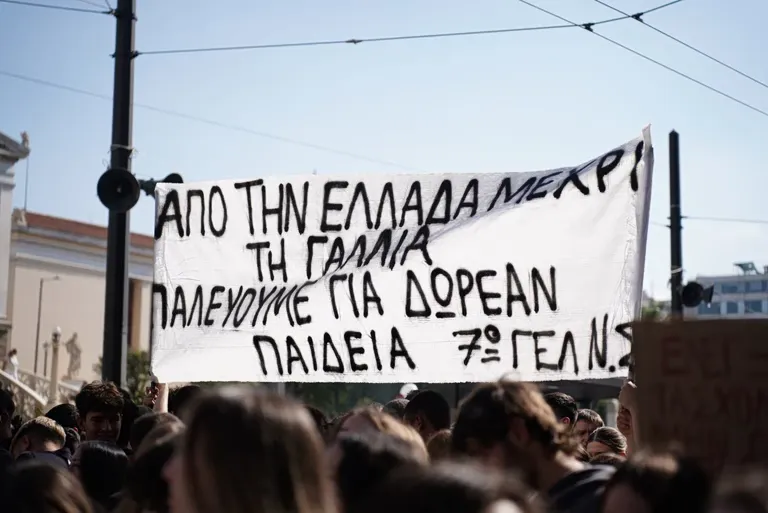
The scale of the October 2026 demonstrations is notably high for such an early stage in the academic year. Observers noting long-term trends in Greek youth movements suggest that this mobilization is among the most significant social movements regarding specific rights and demands since the large-scale agricultural protests of the previous year.
The participation was not limited to a single demographic; it saw an impressive presence of university students alongside a significant number of secondary school pupils. This cross-generational participation indicates that the concerns regarding education and living conditions are resonating widely across the youth population. The lack of traditional "movement instigators" or specific legislative triggers suggests that the momentum is organic, driven by the lived realities of the participants rather than organized political agitation.
Comparing Social Mobilizations
When placed in a historical context, the current protests mirror the intensity of previous agrarian movements. Both share a common thread: they are responses to systemic economic pressures and the perceived failure of the state to provide essential social services. This comparison highlights a trend of increasing social friction in Greece as citizens grapple with the widening gap between government narratives and economic reality.
What is the role of the media and political establishment in this crisis?
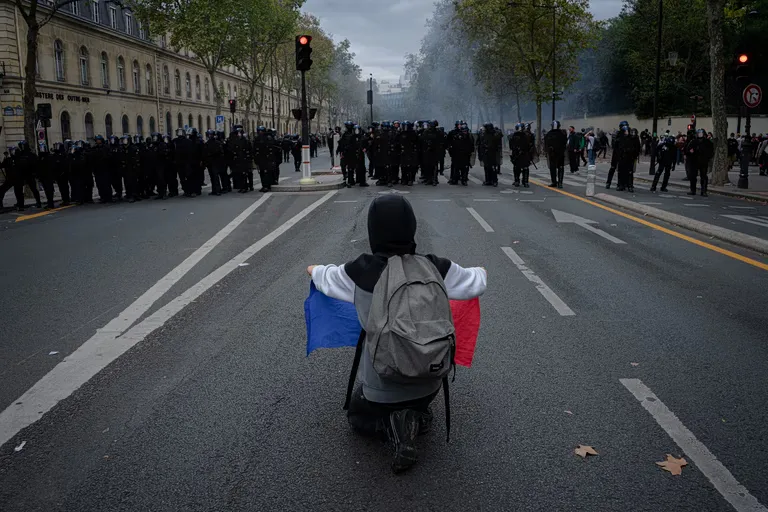
The political and media establishment has largely been accused of ignoring the underlying causes of the protests, opting instead to focus on divisive rhetoric. Rather than engaging with the substantive demands of the students, much of the public discourse has been occupied by comparisons to foreign social unrest, such as the "Will we become France?" narrative.
This approach has led to several critical observations regarding the current media landscape in Greece:
- Narrative Diversion: Instead of addressing underfunding or housing, media outlets often focus on whether the protests will escalate into widespread civil disorder.
- The "Roulement" Effect: There is evidence of a coordinated effort to downplay the scale of the protests through "guided information," claiming the movements are small or limited to specific political fringes.
- Dismissive Rhetoric: Some commentators have used derogatory terms to describe the demonstrations, suggesting they are merely "noise" or failed attempts at chaos, despite the peaceful and organized nature of the marches.
This disconnect suggests a profound gap in the intellectual horizon of many political and media figures, who appear unable to recognize mass social demands as a legitimate form of political expression.
Is there a disconnect between government claims and social reality?
A significant tension exists between the government's narrative of stability and the mounting evidence of social discontent. Since 2019, the ruling administration has promoted a narrative of recovery and successful governance, yet this stands in stark contrast to several key indicators of social unrest.
The following points highlight the divergence between official rhetoric and public sentiment:
The refusal of the political elite to acknowledge these realities is seen by critics as a form of "willful blindness." By clinging to a narrative of a "perfectly functioning system," the establishment risks being sidelined by a society that is increasingly demanding radical changes in democracy, justice, and social support.
What are the long-term implications for Greek democracy?
The ongoing tension suggests that the Greek political landscape is facing a period of significant volatility. The demands of the protesters—ranging from better public health and education to solutions for the housing crisis—are not merely requests for minor adjustments but calls for a fundamental shift in how the state serves its citizens.
If the government continues to rely on narratives of stability while ignoring the tangible needs of the population, the risk of further, more intense social friction increases. The current movement serves as a warning that a society driven by necessity and perceived injustice cannot be managed through rhetoric alone. The ultimate test for Greek democracy will be whether the political system can integrate these widespread social demands into a functional and responsive governance model.
Frequently asked questions
What are the main causes of the 2026 Greek student protests?
The protests are primarily driven by systemic issues in the education sector, including chronic underfunding and staff shortages. Additionally, the severe student housing crisis and the general increase in the cost of living have become central triggers for the mass mobilization seen across Greece.
How large were the demonstrations in October 2026?
The demonstrations were described as impressively large and highly participatory, involving both university students and secondary school pupils. The scale of the mobilization was noted as being particularly significant for such an early stage in the academic year and comparable to previous major agrarian movements.
How has the Greek media responded to these protests?
Media response has been polarized, with some outlets providing direct coverage while others have been accused of downplaying the movement's scale. Many commentators have focused on the potential for social chaos or comparisons to French unrest rather than addressing the substantive educational and housing demands.
Is the government acknowledging the protesters' demands?
There is a perceived disconnect between the protesters' demands and the government's response. Critics argue that the political establishment has largely ignored the core issues of underfunding and housing, instead focusing on maintaining a narrative of economic and social stability.
What do the polls say about current government support?
Despite the government's narrative of success, recent indicators suggest significant discontent. This includes reports that the ruling party's intention to vote has fallen below 25% in certain metrics, reflecting a broader dissatisfaction with current economic and social policies.
Key takeaways
- The 2026 protests are driven by education underfunding, staff shortages, and a housing crisis.
- The mobilization is exceptionally large for the start of the academic year.
- A significant gap exists between government stability narratives and public discontent.
- Media coverage has been criticized for downplaying the scale of social unrest.
- The movement represents a demand for radical changes in social and democratic support.
Conclusion
The 2026 Greek student protests signal a deepening rift between the state's official narrative and the lived experiences of its citizens. By focusing on structural failures in education and housing rather than mere political agitation, these movements demonstrate a sophisticated and urgent demand for systemic reform. As the political and media establishments continue to dismiss these grievances, the risk of increased social volatility grows. Ultimately, the stability of the Greek political system will depend on its ability to move beyond rhetoric and address the fundamental needs of a society demanding greater justice and social investment.
| Government Narrative | Social Reality Indicators |
|---|---|
| Economic stability and recovery since 2019 | High public anger regarding the cost-of-living crisis and inflation |
| Successful governance and leadership | Low intention to vote for the ruling party (under 25% in some polls) |
| Managed social order | Massive, unprompted student and teacher mobilizations |
| Effective public management | Chronic shortages in education and healthcare sectors |