Context of the Incident
Recent events have brought to light the complex relationship between wildlife and human populations, particularly in areas where their habitats intersect. The capture of a wolf, following an incident involving a child, has drawn significant attention to the challenges faced by both animals struggling in the wild and communities living near natural environments. This particular wolf had been observed in various residential zones, a behavior often indicative of distress or a search for sustenance in unusual places.
The incident itself, while concerning, underscores the increasing frequency of such encounters as human expansion encroaches upon natural habitats. Wildlife organizations and local authorities are often tasked with managing these situations, aiming to ensure public safety while also addressing the welfare of the animals involved. The immediate priority in such cases is typically the safe capture of the animal to prevent further incidents and to assess its condition.
The Wolf's Condition Upon Capture
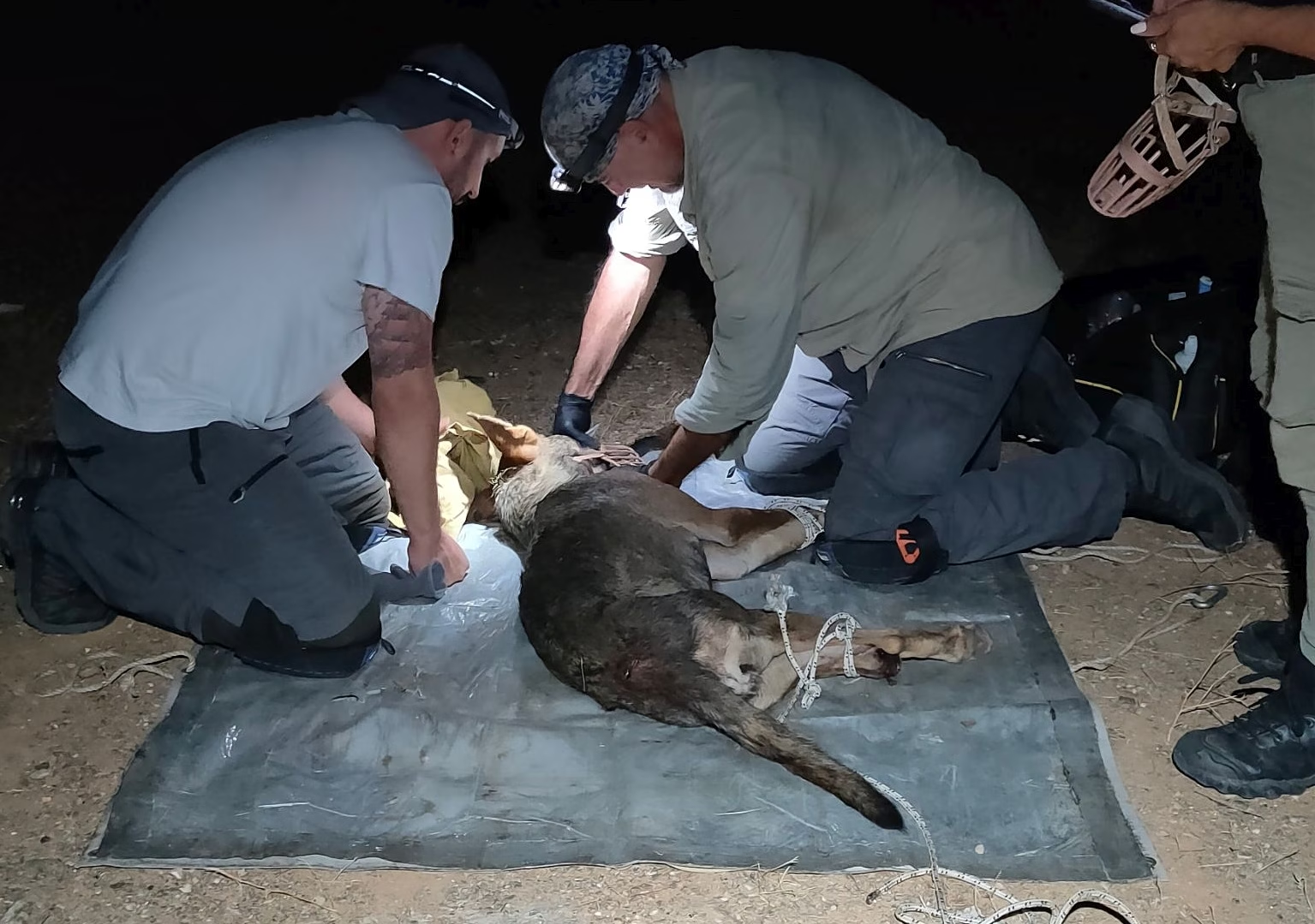
Upon its capture, the wolf's physical state was a primary focus of examination. Initial assessments revealed that the animal was suffering from significant injuries. These injuries, which included an amputation, likely played a crucial role in its behavior and its decision to venture into populated areas. Animals in the wild, when injured, often find it difficult to hunt or forage effectively, leading them to seek easier sources of food, sometimes bringing them into conflict with humans.
Furthermore, the wolf was found to be severely undernourished. Malnutrition is a common consequence for injured wild animals, as their ability to secure food is compromised. This state of hunger can drive them to take risks they might otherwise avoid, such as approaching human settlements. The combination of injury and malnourishment paints a picture of an animal under considerable stress, acting out of necessity rather than aggression.
Veterinary professionals are now providing care for the wolf, focusing on stabilizing its condition and treating its injuries. The severity of its condition suggests that it had been struggling for some time before its capture. The process of rehabilitation for such an animal is often lengthy and requires specialized care, including medical treatment, nutritional support, and a safe, controlled environment where it can recover without further stress.
Factors Contributing to Wildlife-Human Interactions
The increasing frequency of wildlife venturing into human-populated areas is a multifaceted issue with several contributing factors. Habitat loss and fragmentation are arguably the most significant drivers. As human development expands, natural landscapes are converted for agriculture, housing, and infrastructure, reducing the available territory for wild animals. This forces them into smaller, more isolated patches of habitat, increasing the likelihood of encounters with humans.
- Habitat Degradation: The quality of remaining habitats can also decline due to pollution, climate change, and unsustainable resource extraction. This can lead to a scarcity of natural food sources, prompting animals to seek sustenance elsewhere.
- Human Food Sources: Animals can become habituated to human food sources, such as garbage or pet food, which are readily available in residential areas. This can create a dependency and encourage them to frequent these locations.
- Climate Change: Shifting weather patterns and extreme events can disrupt ecosystems, affecting food availability and forcing animals to migrate or alter their foraging behaviors.
- Population Dynamics: In some cases, a healthy wild animal population might lead to increased competition for resources, pushing some individuals into marginal areas or human-dominated landscapes.
- Injuries and Illness: As seen in the case of this wolf, injured or sick animals are often less capable of hunting and surviving in the wild, making them more likely to approach human settlements in search of an easy meal or refuge.
“The health and behavioral patterns of wild animals are intrinsically linked to the integrity of their ecosystems. When these systems are disrupted, animals often bear the brunt, leading to behaviors that can bring them into direct contact with human communities. Understanding these underlying causes is crucial for developing effective coexistence strategies.”
Rehabilitation and Future Plans for the Wolf
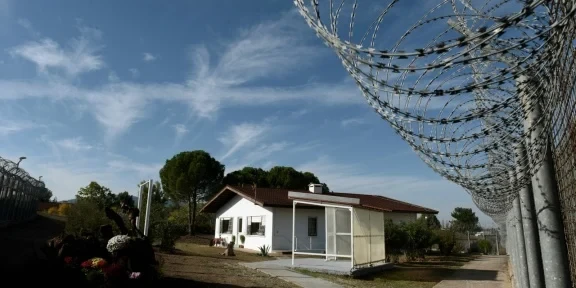
Following its initial medical treatment, the captured wolf is slated for transfer to a specialized sanctuary. Wildlife sanctuaries play a vital role in the long-term care of animals that cannot be safely released back into the wild. These facilities provide a secure environment where animals can live out their lives with appropriate care, nutrition, and veterinary oversight.
The decision to transfer the wolf to a sanctuary rather than attempting to re-release it is likely based on several factors. Its significant injuries, particularly the amputation, would severely hinder its ability to hunt and survive independently in the wild. An animal unable to fend for itself would likely starve or become a danger to itself and potentially to human communities if it continued to seek food in residential areas. Furthermore, its prior habituation to human proximity, driven by its injuries and hunger, would make a successful re-release challenging and potentially risky.
Sanctuaries are equipped to manage animals with special needs, offering enclosures that mimic natural habitats as much as possible while ensuring the animal's safety and well-being. The wolf will receive ongoing veterinary care, a consistent diet, and monitoring to ensure its recovery and adaptation to its new environment. This approach prioritizes the animal's welfare while also mitigating any potential risks to public safety.
Broader Implications for Conservation and Coexistence
This incident serves as a poignant reminder of the ongoing challenges in wildlife conservation and the imperative of fostering coexistence between humans and animals. Effective strategies require a multi-pronged approach that includes habitat preservation, public education, and robust wildlife management protocols.
Protecting and restoring natural habitats is fundamental to reducing instances of wildlife venturing into human areas. This involves land conservation efforts, sustainable land-use planning, and the creation of wildlife corridors that allow animals to move safely between fragmented habitats. Educating the public about responsible practices, such as securing garbage, not feeding wild animals, and understanding wildlife behavior, is also critical in preventing conflicts.
For situations where conflicts do arise, well-trained wildlife management teams are essential. These teams are responsible for responding to incidents, safely capturing animals, and making informed decisions about their welfare, whether that involves rehabilitation for release or placement in a sanctuary. The ultimate goal is to minimize harm to both humans and wildlife, striving for a balance where both can thrive.
The story of this injured wolf highlights the resilience of nature but also its vulnerability in the face of human activity. It calls for continued dedication to conservation efforts and a thoughtful approach to managing the spaces we share with the animal kingdom.