What is the agenda for Nikos Androulakis at the European Socialists summit?
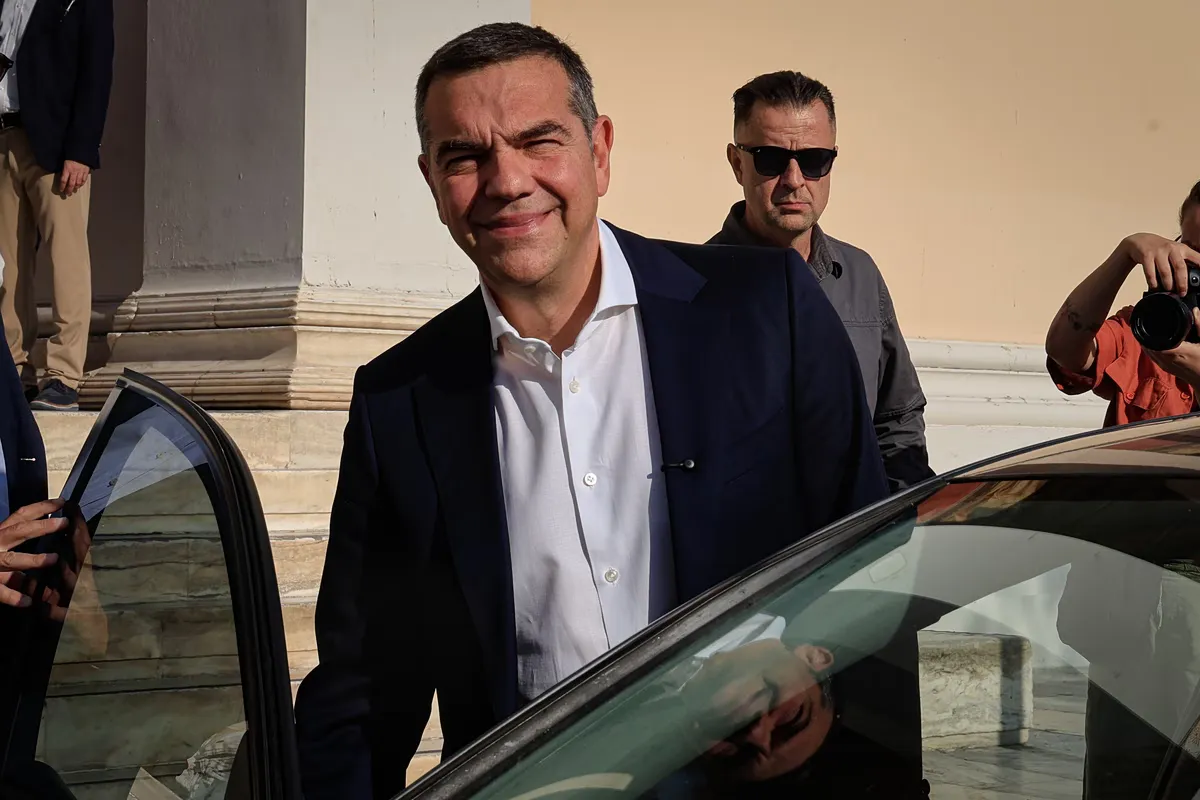
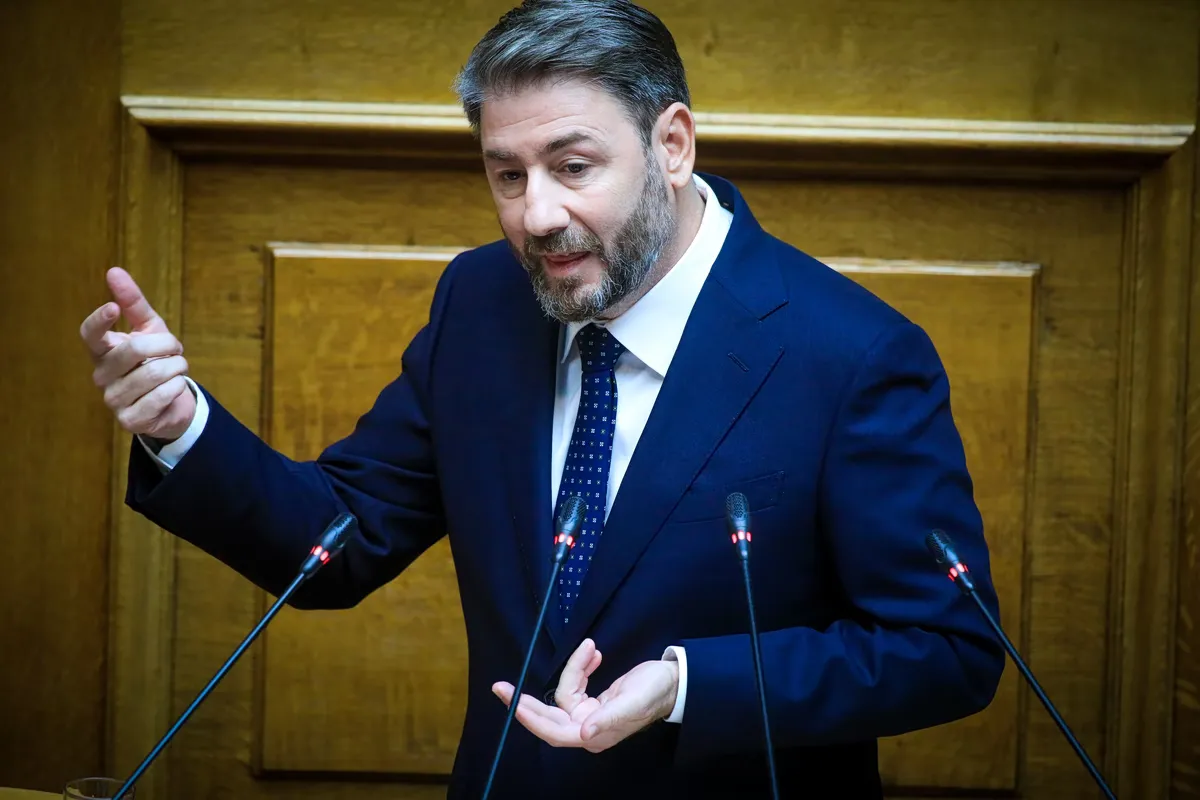
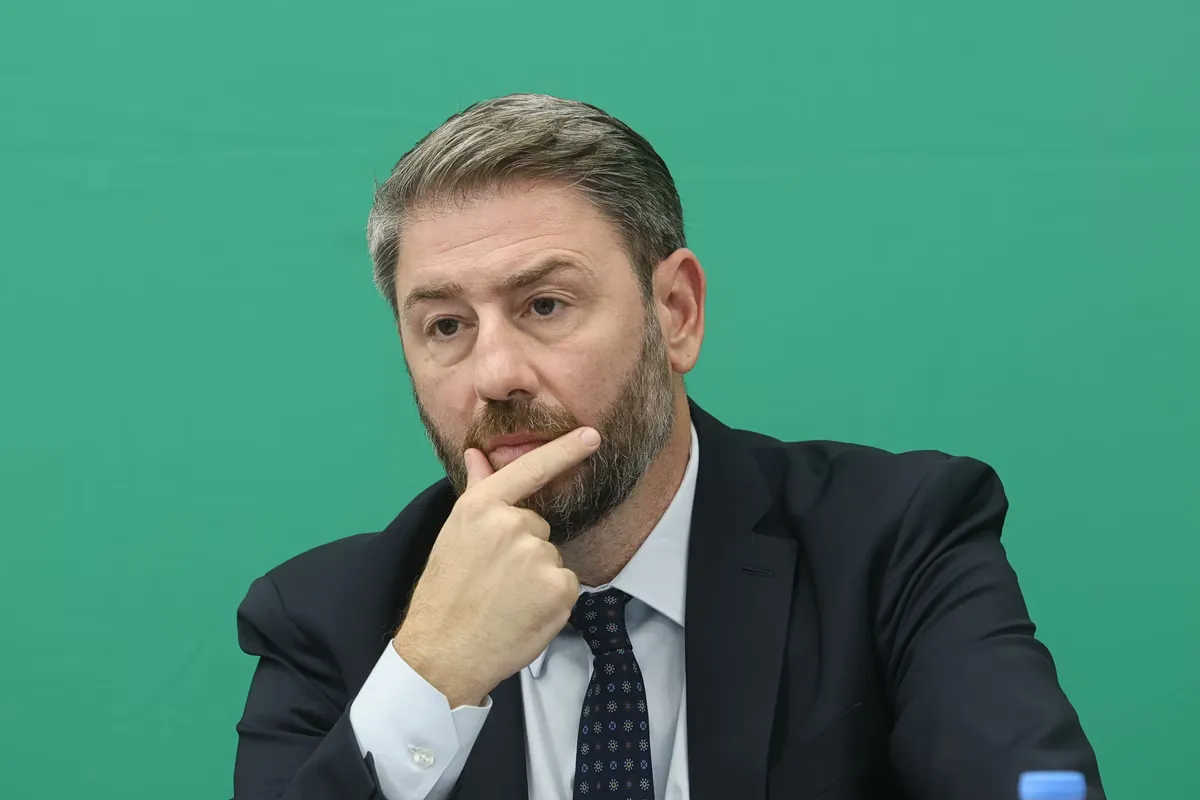
Nikos Androulakis is traveling to the upcoming European Socialists summit to address critical geopolitical shifts that threaten European stability. The primary focus of his intervention will be the consequences of the recent Trump-Putin agreement and the rising cost of living across the continent. Androulakis aims to deliver a message emphasizing that Europe can no longer depend on external powers for its fundamental security. Instead, he argues for a dynamic progression toward a unified European policy, characterized by shared security protocols and the long-term goal of establishing a European army.
The summit comes at a time of significant political volatility within the Socialist family, particularly following Pedro Sánchez's decision to call for elections in Spain. For PASOK, this meeting represents an opportunity to align Greek interests with a broader European social-democratic response to global instability. The leader's presence is intended to reinforce the need for strategic autonomy in an era where traditional alliances are being renegotiated by major powers.
The impact of geopolitical realignment on European energy costs
A central pillar of Androulakis's discourse involves the economic repercussions of the new US-Russia dynamic. He has warned that European citizens are likely to face significant financial burdens this winter due to fluctuations in energy and fuel prices. By linking geopolitical decisions to the daily economic struggles of European households, the PASOK leader seeks to frame security not just as a military concern, but as a vital component of economic stability and social welfare.
How does the Trump-Putin agreement affect European security?
The agreement between Donald Trump and Vladimir Putin is viewed by PASOK as a potential turning point that places Europe in a vulnerable position. Speaking on SKAI 100.3, Androulakis suggested that the US President is attempting to frame a failed policy regarding Iran as a successful peace effort, using the agreement as a form of "damage control." According to Androulakis, the crisis in the Strait of Hormuz has necessitated a new strategic relationship between the United States and Russia.
The PASOK leader maintains that Europe, and specifically Greece, has become a victim of this shifting American strategy. He has criticized the New Democracy government for its perceived silence regarding the pro-Russian policy shifts in the US, which he claims undermine European and Ukrainian interests. This critique highlights a growing rift in the Greek political landscape concerning how the nation should navigate the changing priorities of its most important Western ally.
What are the allegations regarding the Kimberly Guilfoyle case?
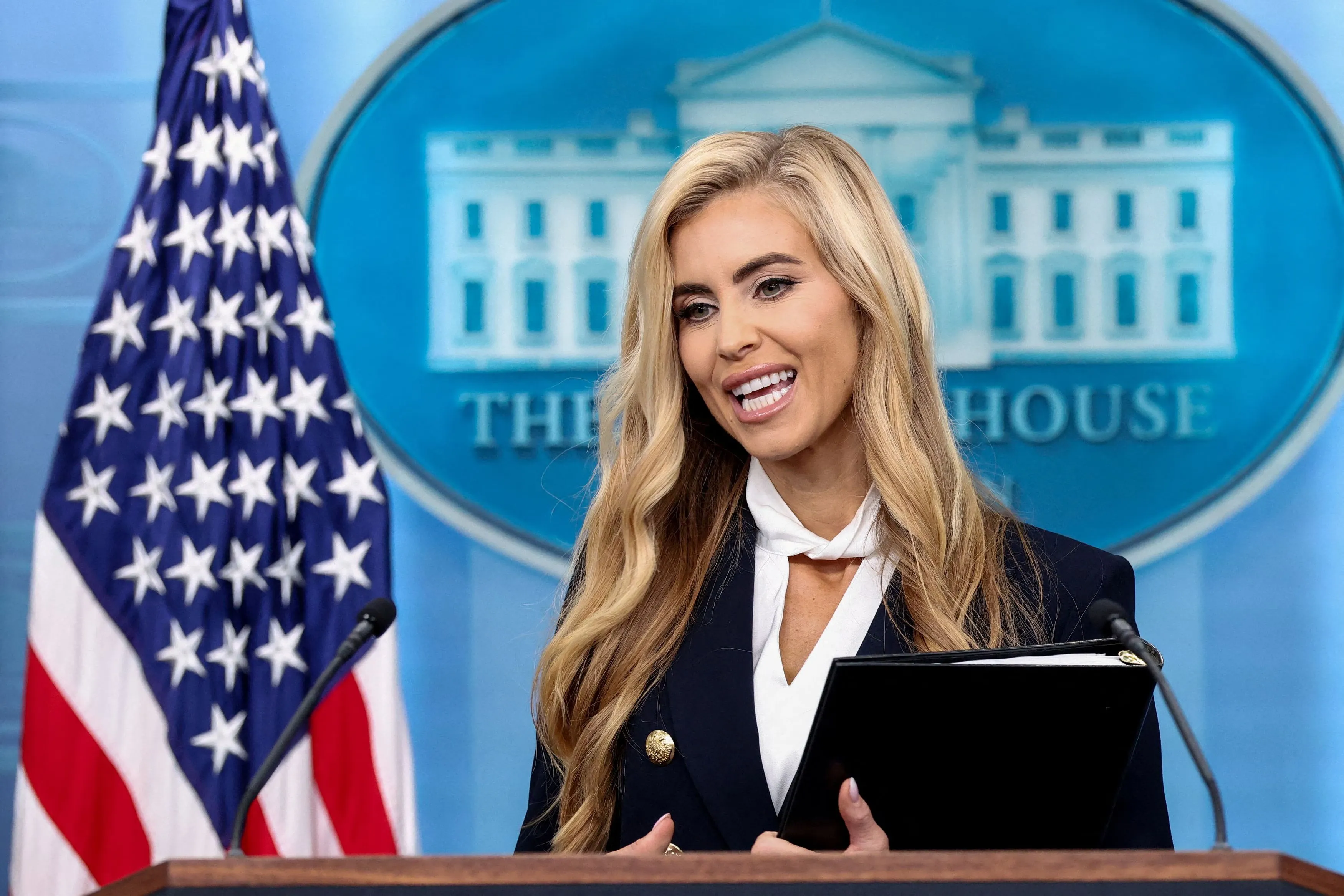
The PASOK leadership has launched a sharp critique of the Greek government's handling of the Kimberly Guilfoyle affair, a matter involving the former US Ambassador to Greece. The opposition has raised serious questions about the conduct of the current administration in its dealings with the former diplomat. Androulakis noted that there was a level of activity that exceeded standard diplomatic protocols, and he has accused the government of encouraging and enabling this behavior.
The controversy has moved beyond mere diplomatic etiquette into the realm of political accountability. PASOK argues that the government has exposed the country politically by allowing its diplomatic relations to be influenced by non-traditional actors. This tension marks a new front in the domestic political struggle, as the opposition seeks to define the boundaries of appropriate Greek-American relations and protect national prestige.
Demanding transparency in the Greece-US Strategic Dialogue
Beyond the Guilfoyle case, PASOK is demanding full transparency regarding the recent 6th Strategic Dialogue between Greece and the United States. This dialogue, which included the presence of Marco Rubio, has raised concerns within the opposition regarding the nature of the agreements reached. Specifically, PASOK is calling for clarity on the content, purpose, and potential benefits of agreements related to energy and defense sectors.
Dimitris Mantzos, the PASOK Foreign Affairs spokesperson, has stated that it is unacceptable for Greece to be relegated to a theater of economic and business competition. He emphasized that national interest must take precedence over the conflicting interests of global powers. The opposition is pushing for a clear accounting of whether the government sought formal explanations from the US side regarding the implications of these strategic shifts.
What is the political response to the US-Greece diplomatic conduct?
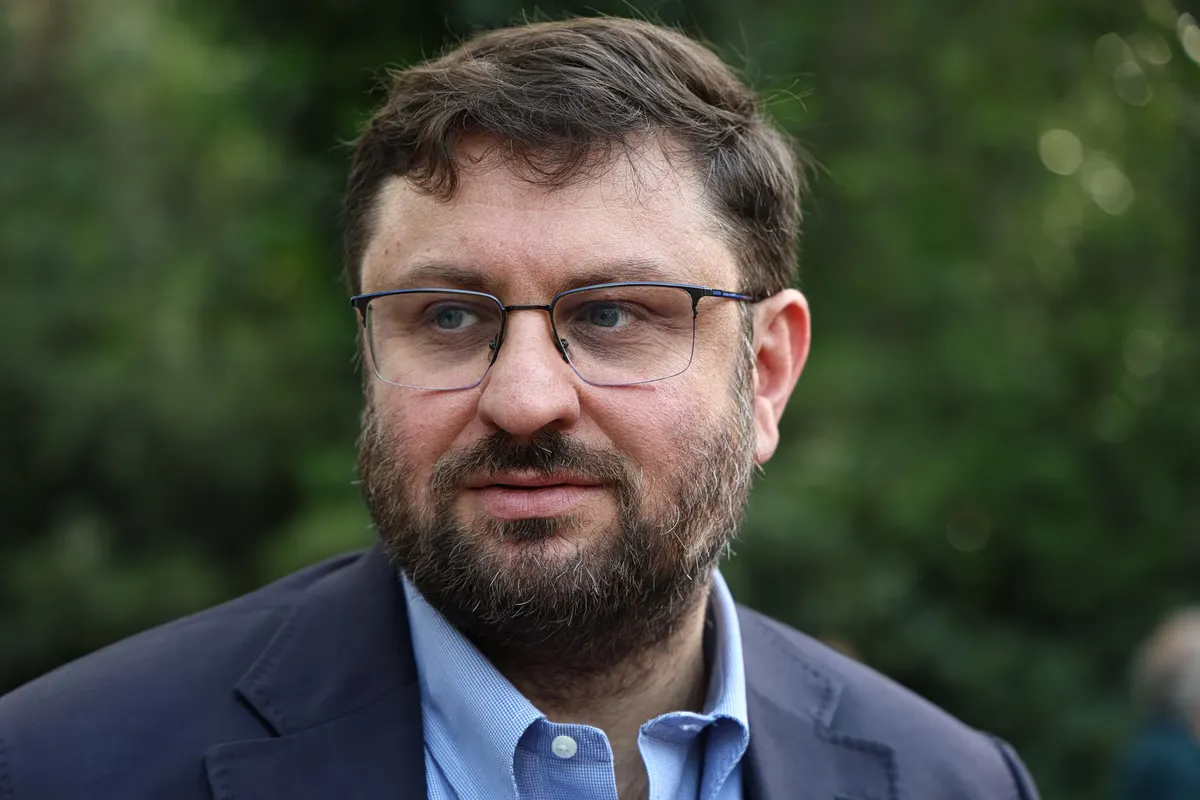
The political fallout from recent diplomatic events has prompted PASOK to question the motivations behind certain high-level engagements. Kostas Tsoukalas, a PASOK spokesperson, indicated that there are indications the country may have become a battlefield for competing economic interests that extend beyond the scope of traditional diplomacy. This sentiment is echoed by the opposition's criticism of government officials who have been seen publicly associating with the former US Ambassador.
The opposition's stance is built on the premise that diplomatic relations should serve the national interest rather than private or transactional interests. By highlighting the perceived lack of distance between government officials and foreign representatives, PASOK is attempting to frame the current administration as being overly accommodating to external pressures. This strategy seeks to position PASOK as the defender of Greek sovereignty in an increasingly complex international environment.
Key takeaways
- Nikos Androulakis will advocate for a unified European defense and security policy at the European Socialists summit.
- PASOK warns that the Trump-Putin agreement could lead to increased energy costs for European citizens this winter.
- The opposition is demanding transparency regarding energy and defense agreements made during the 6th Greece-US Strategic Dialogue.
- PASOK has criticized the government's handling of the Kimberly Guilfoyle affair, citing deviations from standard diplomatic protocols.
- The party argues that Europe must achieve strategic autonomy to avoid being a victim of shifting US-Russia relations.
Frequently asked questions
Why is Nikos Androulakis attending the European Socialists summit?
Androulakis is attending to represent Greek interests within the European social-democratic framework. His goal is to promote a unified European security policy and address the economic challenges, such as high living costs, that result from recent geopolitical shifts like the Trump-Putin agreement.
What is the PASOK position on the Trump-Putin deal?
PASOK views the agreement as a potential threat to European security and autonomy. Androulakis suggests the deal is a way for the US to manage failures in other regions, effectively making Europe a secondary player in the new strategic dynamic between Washington and Moscow.
What concerns has PASOK raised about the Kimberly Guilfoyle case?
PASOK has raised concerns regarding the breach of traditional diplomatic norms. The party accuses the Greek government of allowing and encouraging unconventional political activity that could potentially undermine the country's diplomatic standing and expose it to undue external influence.
What is the 6th Greece-US Strategic Dialogue?
The 6th Strategic Dialogue is a high-level meeting between Greek and US officials aimed at strengthening bilateral cooperation. PASOK is demanding full transparency regarding the specific terms of the energy and defense agreements discussed during this session, which included US official Marco Rubio.
How does PASOK view the current government's foreign policy?
PASOK criticizes the government for being too passive or overly accommodating toward shifting US policies. They argue that the administration has failed to protect Greek interests in the face of pro-Russian shifts in American strategy and has allowed diplomatic relations to become transactional.
Conclusion
The political landscape in Greece is currently defined by a dual challenge: navigating the complexities of a shifting global order and managing domestic accountability regarding foreign relations. Nikos Androulakis's upcoming participation in the European Socialists summit underscores the need for a more autonomous and unified Europe in response to the Trump-Putin realignment. Simultaneously, the intense scrutiny of the Kimberly Guilfoyle affair and the Greece-US Strategic Dialogue reflects a deep-seated concern within the opposition regarding the preservation of national sovereignty and diplomatic integrity. As these issues converge, the debate over how Greece should position itself between major global powers will remain a central theme of the political discourse.