Why is Katie Zakaria facing allegations of practicing law without a license?
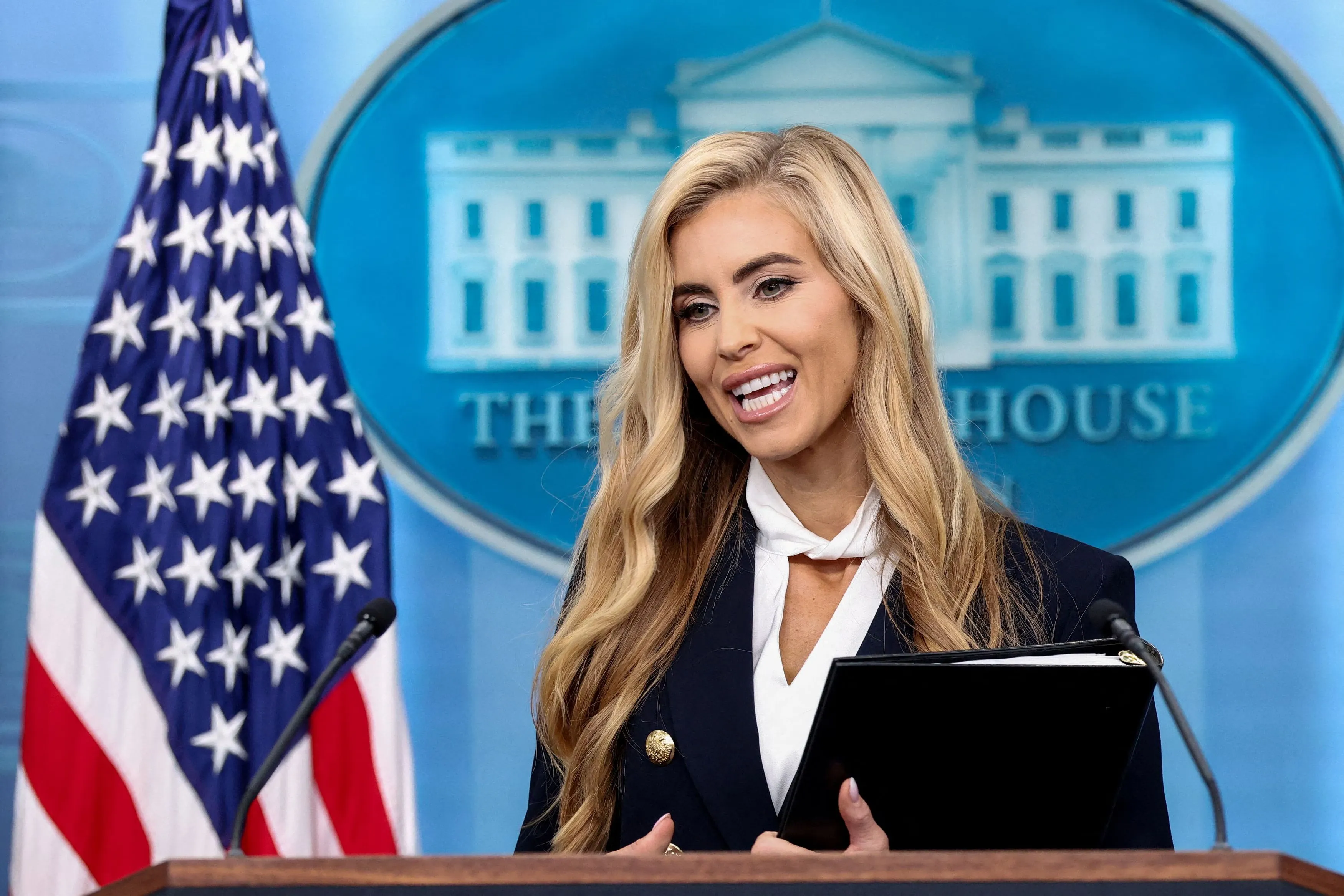
Katie Zakaria is under investigation following claims that she has systematically and publicly identified herself as a lawyer despite lacking the necessary professional licensure. The controversy intensified during a recent press briefing where, when asked by a journalist which U.S. state she had passed the bar examination in, Zakaria responded, "When I moved to China." This statement prompted immediate scrutiny of her legal credentials.
The Campaign for Accountability, an independent transparency organization, has escalated the matter by filing an official complaint with the California Bar Association. The organization is requesting a formal inquiry into whether Zakaria's conduct constitutes a criminal offense under California law. Specifically, the complaint alleges that she has presented herself as having the right to practice law without possessing the mandatory credentials.
The legal distinction between a law graduate and a licensed attorney
A central point of the controversy lies in the distinction between academic achievement and professional authorization. While it is a fact that Zakaria graduated from Pepperdine University School of Law in California in 2011—a fact confirmed by the institution—holding a law degree does not automatically grant the right to practice law in the United States. To become a licensed attorney, a graduate must typically pass a rigorous bar examination and meet specific character and fitness requirements within a particular jurisdiction.
According to reports from the Wall Street Journal, Zakaria attempted the California Bar Exam, which is noted for its difficulty, but failed to pass. This distinction is critical because, in many jurisdictions, including California, representing oneself as a "lawyer" or "attorney" when not admitted to the bar can lead to significant legal penalties and disciplinary actions.
What is Zakaria's defense regarding her professional title?
Zakaria maintains that she possesses all necessary credentials and has worked within the legal field in an international capacity. In a statement addressing the allegations, she asserted, "I practiced international corporate and transactional law, possessing all the necessary credentials." She has framed her experience as being centered on global legal matters rather than domestic litigation or state-specific bar membership.
To explain the discrepancy in her titles, Zakaria told the New York Times that she sought guidance from the President of Pepperdine University when she began her career in television media. According to her account, the university president advised her to use the term "lawyer" rather than "attorney" to describe her professional background. This distinction appears to be her primary defense against the accusation that she has misled the public.
How has her professional background shaped her recent roles?
Before her appointment to the White House, Zakaria held several roles that involved legal coordination and media commentary. From January 2024 to March 2025, she served as the head legal counsel for Fix California, a non-profit organization founded by Richard Grenell, a Trump administration official. During her tenure there, she was responsible for coordinating with external legal counsel and serving as a primary point of communication for the organization.
Her transition from legal coordination to political communications was facilitated by her frequent appearances on major news networks. Zakaria has been a regular commentator on Fox News, CNN, and Newsmax. Her media presence often reinforced the perception of her as a legal expert, which has now become a point of contention.
Media representation and public perception
The perception of Zakaria as a legal professional was not merely a result of her own claims but was also reinforced by the media outlets that hosted her. For instance, during a Fox News appearance on August 31, she commented on the procedural importance of legal steps in a criminal trial, stating, "As a lawyer, (I must say) the procedural steps are absolutely critical to ensure everything is done correctly."
Furthermore, television graphics during her broadcasts frequently identified her as both a legal and political strategy consultant, often explicitly using the title "lawyer." This widespread media branding has contributed to the current scrutiny, as critics argue that the public was led to believe she was a licensed practitioner based on these consistent representations.
What led to the timing of her bar exam attempts?
The timeline of Zakaria's legal career and her move abroad provides context to her current professional status. Investigations into her history suggest that her attempts to pass the California Bar coincided with a significant period of personal transition. Specifically, she was preparing for her marriage and a subsequent relocation to China.
Her move to Beijing was driven by her husband's professional obligations within a private equity firm. This period of international relocation appears to have interrupted her pursuit of domestic legal licensure. While she claims to have practiced international law during this time, the lack of registration with any state bar association in the U.S. remains the core of the legal challenge against her.
Frequently asked questions
Has Katie Zakaria graduated from law school?
Yes, Katie Zakaria graduated from the Pepperdine University School of Law in California in 2011. This fact has been confirmed by the university itself. However, graduating from law school is a separate requirement from being licensed to practice law as an attorney.
What is the Campaign for Accountability's complaint about?
The Campaign for Accountability has filed a formal complaint with the California Bar Association. They are investigating whether Zakaria's public claims of being a lawyer, without having passed the bar exam, constitute a criminal offense under California's laws regarding the unauthorized practice of law.
How does Zakaria explain her use of the term "lawyer"?
Zakaria claims she was advised by the President of Pepperdine University to use the term "lawyer" instead of "attorney" when appearing on television. She maintains that her experience in international corporate and transactional law qualifies her professional description.
Did she ever pass the California Bar Exam?
According to reports from the Wall Street Journal, Zakaria participated in the California Bar examinations but did not successfully pass them. This failure is central to the allegations that she is presenting herself as a licensed professional without the required credentials.
What was her role at Fix California?
From early 2024 to early 2025, Zakaria served as the head legal counsel for the non-profit Fix California. In this role, she acted as a coordinator for the organization's external legal teams and served as a primary liaison for legal communications.
Key takeaways
- Katie Zakaria faces a formal complaint for allegedly practicing law without a valid bar license.
- The Campaign for Accountability has requested an investigation by the California Bar Association.
- Zakaria graduated from Pepperdine Law in 2011 but reportedly failed the California Bar Exam.
- She defends her title by citing advice from her university president and her international legal experience.
Conclusion
The controversy surrounding Katie Zakaria highlights the complexities of professional titles in the intersection of media and politics. While her supporters, including President Trump and White House communications officials, emphasize her intelligence and unique qualifications, the legal challenges posed by the Campaign for Accountability focus on the strict requirements of professional licensure. As the California Bar Association reviews the allegations, the case serves as a reminder of the legal distinctions between academic legal training and the authorized practice of law. The outcome of this investigation could have significant implications for how political figures and media commentators represent their professional credentials.