What are the main themes of the Kostas Karamanlis speech?
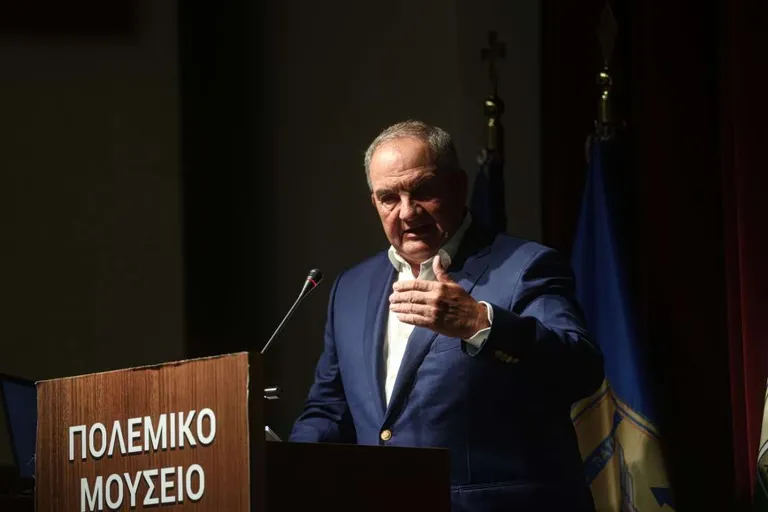
The primary focus of the Kostas Karamanlis speech at the War Museum will be the preservation of national unity in the face of ongoing regional threats. Speaking at an event organized by the Association of Retired Officers to commemorate the anniversary of October 28, the former Prime Minister is expected to move beyond historical commemoration to address contemporary geopolitical tensions.
According to reports, Karamanlis intends to use this platform to emphasize the necessity of national cohesion. He views the current geopolitical climate as one defined by significant challenges that require a unified domestic front. His address is not merely a ceremonial duty but a strategic commentary on the security posture of the Greek state.
The significance of the October 28 commemoration
While the event celebrates a historic milestone for Greece, the selection of the War Museum as a venue underscores the gravity of the political messages Karamanlis intends to deliver. By linking historical struggle with modern-day security concerns, the former leader seeks to frame current diplomatic tensions within the broader context of Greek sovereignty and resilience.
How will Karamanlis address Greek-Turkish relations?
Kostas Karamanlis is expected to take a firm stance against any attempts to reach a compromise that ignores Turkey's underlying objectives in the Aegean. He is set to argue that those advocating for a rapprochement with Ankara are misinterpreting Turkish intentions and the reality of the current regional dynamics.
The former Prime Minister believes that Turkey is actively seeking to alter the established status quo in the Aegean. His critique will likely focus on the fact that Turkish ambitions extend to questioning the very sovereignty of Greek islands. For Karamanlis, the lack of common ground is not a matter of failed diplomacy but a result of fundamental disagreements regarding territorial integrity.
He will likely argue that there is currently no viable field for mutual understanding as long as the Turkish side maintains its current trajectory. His remarks are expected to warn against a policy of appeasement that fails to recognize the depth of the challenges posed by Ankara's maritime and territorial claims.
What is the impact of the Turkey-Libya memorandum?
The Turkey-Libya memorandum represents a critical point of concern that Karamanlis is expected to address during his remarks. He will likely characterize the recent validation of this memorandum by the Libyan House of Representatives as a serious and unsettling development for regional stability.
Although the memorandum may not produce immediate legal consequences, Karamanlis is expected to frame it as a significant display of Turkish power. He views this move as an overt provocation that complicates the security architecture of the Eastern Mediterranean. The memorandum serves as a practical example of the expansionist tendencies he intends to highlight in his speech.
Why is Karamanlis criticizing the Western stance on Greece?
A significant portion of the Kostas Karamanlis speech is expected to be dedicated to a critique of Western diplomatic passivity. He is anticipated to use the metaphor of Pontius Pilate to describe the attitude of Western powers toward the security challenges facing Greece and Cyprus.
Karamanlis intends to point out a perceived double standard in Western foreign policy. He will likely observe that while the West is quick to provide support for Ukraine, it remains largely silent or indecisive when it comes to the threats faced by Cyprus and Greece. This perceived hesitation is seen by the former Prime Minister as a failure of the alliance to treat its members with the respect and support a true ally deserves.
The distinction between European integration and diplomatic support
It is important to clarify that Karamanlis's critique is not directed at Greece's membership in European institutions. He continues to support Greece's integration into the European community; however, he intends to condemn the specific behaviors of Western leaders. He views the current lack of a decisive stance against regional threats as a failure of the European political apparatus to adequately protect its constituent members.
When is the next major appearance of Kostas Karamanlis?
Following the War Museum event, Kostas Karamanlis is scheduled to make his next major public appearance in Thessaloniki on November 26, 2026. This appearance will take place during a high-level conference focused on regional development and technological advancement.
The conference, titled "Greece 2030: Can development come from the periphery?", celebrates the 20th anniversary of the Thessaloniki Technopolis. Karamanlis is expected to be a keynote speaker alongside other prominent figures, such as Evangelos Venizelos. This upcoming engagement suggests a shift in focus from immediate security concerns to the long-term economic and technological growth of the Greek provinces.
Frequently asked questions
What is the occasion for the speech at the War Museum?
The speech is being delivered at an event organized by the Association of Retired Officers to commemorate the anniversary of October 28. The event serves as a platform for discussing national security and the historical significance of the date within the context of the War Museum.
Does Karamanlis support rapprochement with Turkey?
No, the former Prime Minister is expected to argue against the idea that Greece should seek a compromise with Turkey. He believes that such an approach misreads Turkish intentions to change the Aegean status quo and challenge Greek island sovereignty.
How does Karamanlis view the Turkey-Libya memorandum?
He views the memorandum as a serious provocation and a demonstration of Turkish power. Even if it lacks direct legal weight, he considers it a major development that complicates the geopolitical situation in the Mediterranean.
What is his critique of Western diplomacy?
Karamanlis criticizes the West for being passive, comparing its stance to that of Pontius Pilate. He argues that while the West supports Ukraine, it fails to take a firm stand regarding the security threats faced by Greece and Cyprus.
Where will he speak next after the War Museum?
His next scheduled appearance is in Thessaloniki on November 26, 2026. He will participate as a keynote speaker at a conference regarding regional development and new technologies, marking the 20th anniversary of the Thessaloniki Technopolis.
Key takeaways
- Karamanlis will emphasize national unity against regional threats at the War Museum.
- He will reject rapprochement with Turkey, citing threats to Aegean sovereignty.
- The Turkey-Libya memorandum will be described as a serious provocation.
- The former PM will criticize Western indecision regarding Greece and Cyprus.
- His next public engagement is set for November 26 in Thessaloniki.
Conclusion
The upcoming address by Kostas Karamanlis serves as a significant barometer for the political discourse surrounding Greek national security. By linking the historical weight of the October 28 commemoration with modern tensions in the Aegean and Libya, Karamanlis is positioning himself as a voice of caution against diplomatic missteps. His critique of Western passivity highlights a growing tension between national security requirements and the perceived inertia of international allies. As he prepares to transition from these security themes to discussions on regional development in Thessaloniki, his remarks remain a pivotal element of the current Greek political landscape.