How has the Turkey-Libya memorandum affected the Greek political landscape?
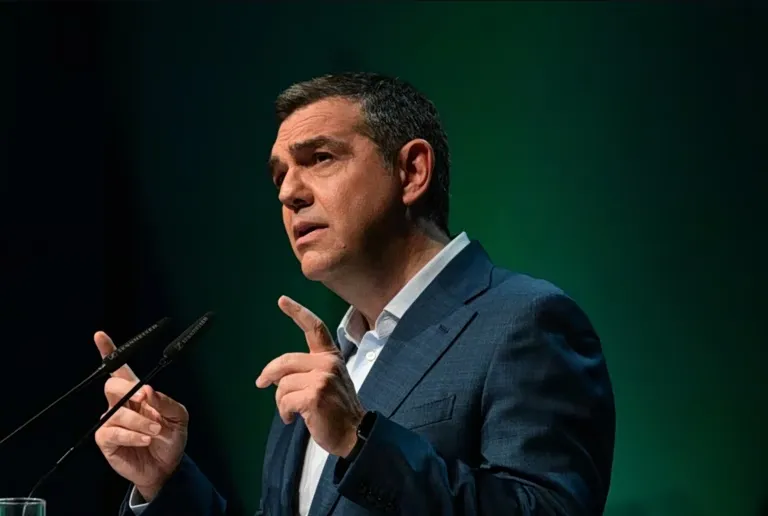
The approval of the Turkey-Libya memorandum has triggered a significant political crisis within the Greek government, leading to accusations of strategic failure from the opposition. Alexis Tsipras, the former Prime Minister, has utilized this development to validate his long-standing criticisms regarding the current administration's handling of international relations. He argues that the memorandum serves as a concrete example of the flaws inherent in the 'Mitsotakis doctrine,' which prioritizes specific alliances at the expense of broader regional interests.
According to political analysts and reports from the opposition, the government is facing internal pressure as even members of the ruling bloc have expressed concerns. The situation is described as a moment of vulnerability for the administration, particularly as the memorandum provides Turkey with further leverage to pursue its 'Blue Homeland' ambitions in the Eastern Mediterranean. The political tension is exacerbated by the fact that Turkish naval vessels continue to operate near Greek sovereign rights, specifically in the vicinity of Kastos, highlighting the perceived gap between diplomatic rhetoric and territorial security.
The impact on government stability
The reaction to the memorandum has not been limited to the opposition; it has caused ripples within the governing party itself. Reports suggest a sense of panic within the government camp, especially following public statements from MPs who have acknowledged the gravity of the situation. The administration has attempted to dismiss these concerns as attempts to legitimize the illegal positions of other states, but the internal dissent suggests a growing lack of consensus on how to manage the Turkey-Libya fallout.
Why does Tsipras advocate for a 'New National Compass'?
Tsipras proposes a 'New National Compass' to replace what he describes as a one-dimensional foreign policy that relies too heavily on the United States and Israel. His vision for Greek diplomacy is rooted in multidimensionality, seeking to establish stronger ties with a wider array of regional actors to create a more resilient diplomatic front. He contends that the current strategy of following a 'given ally' results in repeated national defeats and unnecessary concessions.
The core of this proposal involves moving away from a singular focus toward a more complex network of multilateral agreements. By diversifying Greece's strategic partnerships, Tsipras argues that the country can avoid being caught in the crossfire of major power politics and better protect its maritime interests. This approach seeks to balance traditional alliances with new strategic realities in the Mediterranean and beyond, ensuring that Greece remains a protagonist in regional developments rather than a reactive participant.
What are the historical comparisons between the two administrations?
The debate over Greek foreign policy has become a contest of historical legacies, with Tsipras contrasting his tenure with that of Kyriakos Mitsotakis. Tsipras claims that when he handed over power, Greece had significant momentum in the Eastern Mediterranean, including progress on the electricity interconnection cable with Cyprus and a leading role in regional energy developments. He contrasts this with the current situation, where he asserts the government is handing over a weakened position characterized by the Turkey-Libya agreement.
Tsipras also points to his previous warnings as evidence of his foresight. In December 2019, while serving as the leader of the opposition, he warned the Parliament that Turkey was attempting to create a strategic 'space' through its Libyan maneuvers. At that time, he advocated for the immediate use of European sanctions rather than waiting for a potential escalation that might necessitate the deployment of Greek frigates. He argues that his preference for diplomatic pressure through sanctions was ignored, leading to the current state of affairs.
The evolution of maritime claims
A significant point of contention involves the expansion of Greek territorial waters. In 2022, Tsipras submitted a proposal to extend territorial waters to 12 nautical miles, a move that had previously been criticized by the New Democracy party as a method of dividing the Aegean. Tsipras justifies this shift by stating that the emergence of the Turkey-Libya memorandum has fundamentally changed the strategic landscape, necessitating more assertive maritime claims to protect Greek sovereignty.
How do different political figures view the strategic direction of Greece?
The discourse on Greek strategy is being shaped by various political actors who offer diverging views on how to handle regional powers. While Tsipras pushes for a multidimensional approach, other figures like former Prime Minister Kostas Karamanlis are also contributing to the debate. Karamanlis has recently focused on the importance of strategic cooperation with a broader range of partners, including discussions involving China and a more critical view of certain Western-centric policies.
This variety of perspectives suggests that the debate is not merely between the government and the opposition, but a deeper discussion about the long-term identity of Greek foreign policy. The tension between maintaining traditional Western alliances and pursuing a more autonomous, multidimensional path remains the central theme of the current political era. As the government struggles to respond to the Turkey-Libya memorandum, the pressure to redefine the national strategic direction continues to mount from multiple political fronts.
FAQ: Greek Foreign Policy and the Turkey-Libya Memorandum
What is the main criticism of the Mitsotakis doctrine?
The primary criticism, led by Alexis Tsipras, is that the doctrine relies too heavily on a single set of allies, specifically the United States and Israel. This one-dimensional approach is argued to lead to strategic concessions and failures in protecting Greek sovereign rights in the Eastern Mediterranean.
How does the Turkey-Libya memorandum affect Greece?
The memorandum provides Turkey with a legal and strategic framework to assert its claims in the Eastern Mediterranean. This directly challenges Greek maritime interests and provides Turkey with further leverage to pursue its 'Blue Homeland' ambitions, complicating Greece's regional position.
What does the 'New National Compass' entail?
The 'New National Compass' is a proposed strategic shift toward a multidimensional foreign policy. It involves diversifying Greece's diplomatic relationships and creating multilateral frameworks that do not rely exclusively on traditional Western alliances, aiming to create a more robust diplomatic front.
Why did Tsipras mention the 12-mile territorial waters limit?
Tsipras proposed extending territorial waters to 12 miles to respond to the changing security environment. He argues that the Turkey-Libya memorandum necessitates more assertive maritime stances to safeguard Greek sovereignty against Turkish expansionism in the region.
What is the role of sanctions in this debate?
Tsipras has argued for the proactive use of European sanctions against Turkey to prevent maritime escalations. He contends that the failure to utilize diplomatic and economic pressure earlier has resulted in a more dangerous situation requiring potential naval intervention.
Key takeaways
- Tsipras criticizes the current administration's reliance on a single-track alliance strategy.
- The Turkey-Libya memorandum is viewed by the opposition as a major strategic setback.
- A 'New National Compass' is proposed to implement a multidimensional foreign policy.
- The debate emphasizes the need to balance traditional alliances with regional diversification.
Conclusion
The political fallout from the Turkey-Libya memorandum has reignited a fundamental debate over the future of Greek foreign policy. Alexis Tsipras has positioned himself as a proponent of a more complex, multidimensional approach, contrasting his administration's regional leadership with the current government's perceived strategic retreats. As the administration faces both external challenges from Turkey and internal dissent from its own ranks, the call for a redefined 'national compass' highlights a critical juncture. The outcome of this debate will likely determine how Greece navigates its sovereignty and strategic interests in an increasingly contested Eastern Mediterranean.