Piraeus Port Film Festival Set for Third Annual Edition, Spanning Baltic to Mediterranean Narratives
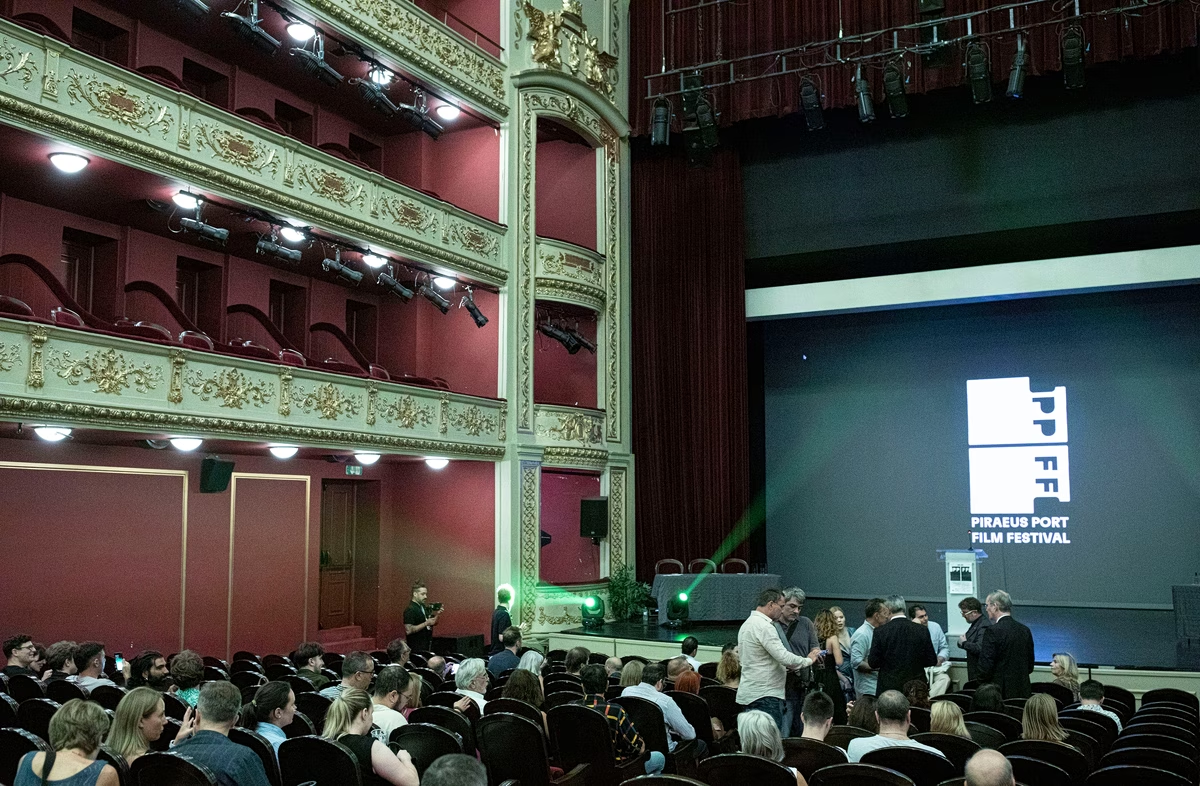
The Piraeus Port Film Festival (PPFF) is poised to host its third annual iteration, a cultural event that promises to transform the Municipal Theatre of Piraeus into a vibrant hub for international cinema. Scheduled to run from September 11th to September 13th, the festival will once again offer a unique platform for films that explore the rich tapestry of human experience, with a particular focus on narratives emerging from the Baltic and Mediterranean sea regions. This year’s theme, 'From the Baltic to the Mediterranean,' underscores a commitment to fostering cross-cultural dialogue and understanding through the art of filmmaking, highlighting the shared histories, contemporary challenges, and diverse artistic expressions found across these significant maritime zones. The festival's return signifies its growing importance as a cultural fixture, not only for Piraeus but also for the broader international film community, as it continues to attract filmmakers and cinephiles alike.
A Confluence of Cultures and Cinematic Visions
The PPFF distinguishes itself by curating a program that transcends geographical boundaries, seeking to bridge the seemingly disparate worlds of the Baltic and Mediterranean through cinematic storytelling. This thematic approach is not merely a geographical designation but a conceptual framework designed to illuminate the common threads that connect humanity, despite differing climates, political landscapes, and historical trajectories. Films selected for the festival are anticipated to delve into themes such as migration, environmental concerns, social justice, cultural identity, and the enduring power of human resilience. By presenting works from these two distinct yet interconnected regions, the festival aims to provoke thought, challenge perceptions, and inspire empathy among its audience. The Municipal Theatre of Piraeus, with its historical significance and architectural grandeur, provides an ideal backdrop for this exploration, offering an immersive experience that combines artistic appreciation with intellectual engagement.
The curatorial team behind the PPFF has meticulously scoured film circuits and independent productions to assemble a program that reflects both artistic merit and thematic relevance. The selection process emphasizes films that not only demonstrate technical excellence but also offer profound insights into the human condition. This year, the focus on the Baltic and Mediterranean promises a particularly compelling lineup, as these regions are currently at the nexus of numerous global issues. From the geopolitical complexities of the Baltic Sea to the humanitarian challenges facing the Mediterranean, the films are expected to offer nuanced perspectives on these critical topics. Attendees can anticipate a diverse range of genres, including documentaries, feature films, and shorts, each contributing to a kaleidoscopic view of life along these vital waterways.
The Enduring Legacy of Port Cities
Piraeus itself, as one of Europe's largest and most historically significant port cities, serves as an emblematic location for a festival of this nature. Port cities, by their very essence, are melting pots of cultures, ideas, and goods. They are gateways through which people and narratives flow, making them natural epicenters for cross-cultural exchange. The PPFF leverages this inherent characteristic of Piraeus, positioning the city not just as a venue but as an active participant in the festival's narrative. The festival endeavors to reflect the dynamic spirit of Piraeus, a city that has for centuries been a crossroads of civilizations. This connection to its host city imbues the festival with an authentic sense of place, grounding its international ambitions in local relevance. The organizers hope that by celebrating cinematic works from other port regions, they can draw parallels and foster a deeper appreciation for the shared experiences of maritime communities worldwide.
Beyond the screenings, the festival is expected to feature a series of complementary events designed to enrich the audience's experience. These may include panel discussions with filmmakers, Q&A sessions, workshops, and networking opportunities for industry professionals. Such activities are crucial for fostering a vibrant cinematic ecosystem, allowing for direct engagement between creators and their audiences, and facilitating the exchange of ideas among peers. The educational component of the festival is particularly important, as it provides a platform for emerging talent and encourages critical discourse about the art form. By offering these additional layers of engagement, the PPFF aims to be more than just a film screening event; it aspires to be a comprehensive cultural experience that educates, entertains, and inspires.
“The Piraeus Port Film Festival serves as a crucial bridge, connecting diverse cinematic voices and fostering a deeper understanding of our shared global narratives. By focusing on the Baltic and Mediterranean, we highlight the universal themes that resonate across cultures and geographical divides,” stated a festival representative.
A Growing Platform for Independent Cinema
In its relatively short history, the Piraeus Port Film Festival has rapidly established itself as a significant platform for independent and art-house cinema. It has carved a niche by championing films that might not otherwise receive widespread distribution, offering a vital space for diverse voices and unconventional storytelling. The festival's commitment to showcasing thought-provoking and artistically daring works has garnered it a loyal following among both local and international cinephiles. This dedication to artistic integrity and cultural relevance is what continues to attract high-quality submissions and enthusiastic audiences year after year. The organizers are keen to build upon this foundation, expanding the festival's reach and impact while maintaining its core values of cultural exchange and cinematic excellence.
The third edition of the PPFF is anticipated to further solidify its reputation as an essential event on the international film festival calendar. Its unique thematic focus, combined with its strategic location in a historically rich port city, positions it as a distinctive cultural offering. The festival's growth reflects a broader global trend of increasing interest in independent cinema and the power of film to articulate complex social, political, and environmental issues. As audiences increasingly seek out authentic and diverse narratives, festivals like the PPFF play an indispensable role in connecting them with compelling stories from around the world. The enduring appeal of cinema lies in its ability to transport viewers to different realities, to challenge their perspectives, and to foster a sense of shared humanity. The Piraeus Port Film Festival, through its carefully curated program and engaging ancillary events, exemplifies this power, promising an enriching and memorable experience for all who attend.
Looking Ahead: The Future of the Festival
As the Piraeus Port Film Festival enters its third year, its organizers are already looking towards the future, envisioning ways to expand its impact and reach. Potential initiatives could include extending the festival's duration, incorporating more international partnerships, or even establishing year-round cinematic programs in Piraeus. The long-term vision is to cultivate a sustained environment for film appreciation and production within the city, making Piraeus a recognized center for cinematic arts. The festival's success thus far is a testament to the dedication of its team and the enthusiastic support of the local community and international film industry. With each passing year, the PPFF continues to evolve, adapting to the changing landscape of cinema while remaining steadfast in its mission to celebrate the art of filmmaking and foster cross-cultural understanding. The upcoming edition promises to be a vibrant continuation of this journey, inviting audiences to embark on a cinematic voyage from the Baltic to the Mediterranean, exploring the myriad stories that connect these diverse and dynamic regions.