Why is the real estate price gap widening in Athens?
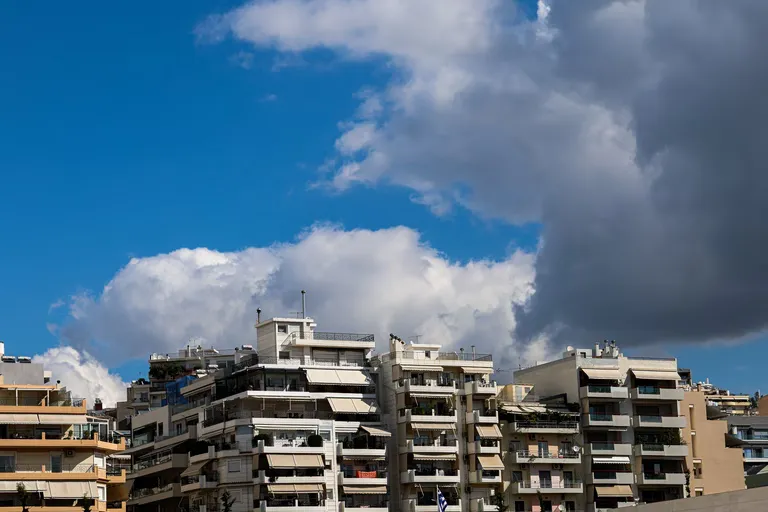
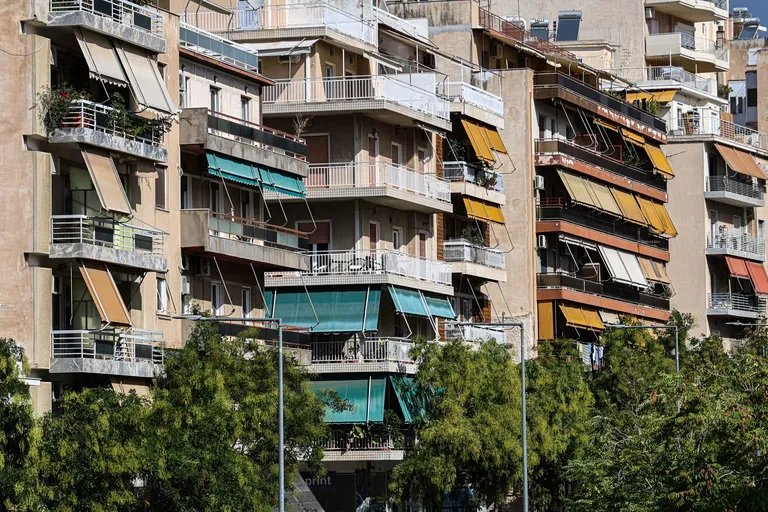
The widening real estate price gap is driven by a massive divergence in valuation between the Southern and Western sectors of the Athens metropolitan area. While property prices continue an upward trajectory across the region, the cost of entry in premium areas has become prohibitive for many, forcing a geographic shift in demand.
According to data from ReDataset, a typical three-bedroom apartment in the Southern Suburbs carries a median asking price of €465,000. In contrast, the same property type in the Western Suburbs commands a median price of approximately €270,000. This represents a difference of €195,000, illustrating how location dictates purchasing power more than almost any other factor in the current market.
This price delta is not merely a matter of current cost but is also a reflection of historical investment patterns. The Southern Suburbs and the city center have long been the primary targets for high-end investment, pushing prices to levels that are increasingly detached from the average household's economic capacity. As a result, the market is seeing a structural migration of interest toward the West.
The role of buyer migration
As traditional high-cost areas become inaccessible, potential buyers are relocating their search parameters to more affordable zones. This shift is creating a feedback loop: increased demand in the Western Suburbs is driving up prices there, yet they remain significantly more viable than the Southern counterparts. This movement is fundamentally altering the demographic and economic landscape of the Athens periphery.
How do property ages affect valuation in the Western Suburbs?
Property age is a primary driver of price volatility within the Western Suburbs, with new constructions commanding a massive premium over older stock. The market in this sector is characterized by a sharp divide between modern developments and older residential buildings.
In the Western Sector, 37% of the three-bedroom apartments listed in 2026 are new constructions. The median asking price for these modern units reaches €330,000. This stands in stark contrast to apartments built in the 1970s, which have a median asking price of only €179,000. This gap highlights a growing preference for modern amenities and energy efficiency, even if it requires a significantly higher capital outlay.
The Western Suburbs show a diverse range of pricing depending on the specific municipality. For instance, within the corridor spanning from Egaleo to Peristeri, the median asking price for a three-bedroom apartment fluctuates between €232,500 and €256,500. Haidari emerges as the most expensive municipality among the five studied, with a median price of €270,000. This local variation suggests that even within "affordable" zones, specific infrastructure and local amenities create micro-markets of higher value.
What are the current trends in property value appreciation?
Property values are experiencing sustained growth, though the rate of appreciation has shown signs of moderate deceleration compared to previous years. According to the Geoaxis Value Observatory, the appreciation rates vary significantly depending on the age of the property.
For new construction apartments, the annual appreciation rate is currently 5.79%, a decrease from the 6.07% recorded the previous year. Over a two-year horizon, the appreciation for new builds stands at 12.23%, down from 15.11% two years prior. However, older properties are seeing even more aggressive growth. The annual appreciation for older apartments is 7.37%, up from 6.65% in the previous year, and their two-year appreciation has reached 14.51%, compared to 14.97% in the prior period.
The long-term trend is even more dramatic. Over the last decade, the average value increase for both new and old apartment types has exceeded 100%, effectively doubling the price of real estate in the region. This decade-long rally has fundamentally altered the cost of living and the threshold for homeownership in Greece.
What systemic risks does the Bank of Greece identify?
The Bank of Greece has issued warnings regarding the potential accumulation of systemic risks within the real estate market. While the current financial stability of the nation is not under immediate threat, the prolonged rise in prices requires close monitoring by regulators.
In its Financial Stability Report, the central bank highlights two main concerns: the continuous upward trend in property values and the recovery of mortgage lending. The convergence of rising prices and increased credit availability could create a bubble-like environment if not managed carefully. The central bank emphasizes that while the market is currently stable, the speed of appreciation and the changing dynamics of mortgage debt necessitate vigilant oversight to prevent future volatility.
The primary risk lies in the potential decoupling of property prices from the actual economic realities of households. As the gap between wages and housing costs widens, the market becomes increasingly sensitive to interest rate changes and economic shifts, which could trigger sudden corrections in valuation.
Frequently asked questions
How much more expensive are the Southern Suburbs than the Western Suburbs?
The Southern Suburbs are significantly more expensive, with a median price of €465,000 for a three-bedroom apartment. Compared to the €270,000 median price in the Western Suburbs, buyers face an additional cost of approximately €195,000 when choosing the South over the West.
Is it cheaper to buy a new or old apartment in the West?
It is significantly cheaper to buy an older apartment. In the Western Sector, apartments from the 1970s have a median price of €179,000, whereas new constructions have a median asking price of €330,000, representing a premium of over €150,000 for modern builds.
What is the long-term growth rate of Greek real estate?
Over the last ten years, property values in the region have seen an average increase of more than 100%. This means that the average price of an apartment has effectively doubled over the course of a decade, according to market data.
Which municipality in the Western Suburbs is the most expensive?
Among the five municipalities studied in the Western Sector, Haidari is the most expensive. It shows a median asking price of €270,000 for a three-bedroom apartment, which is higher than the regional average for that sector.
Are there risks associated with the current housing market?
Yes, the Bank of Greece has signaled potential systemic risks. While financial stability is currently maintained, the combination of rising property prices and the recovery of mortgage lending requires strict monitoring to prevent future economic instability.
Key takeaways
- The price gap between Southern and Western Athens is approximately €195,000 for three-bedroom units.
- New constructions in the Western Suburbs command a €330,000 median price compared to €179,000 for 1970s stock.
- Property values in the region have more than doubled over the last ten years.
- The Bank of Greece warns of systemic risks due to rising prices and mortgage recovery.
Conclusion
The Athenian real estate market is defined by a widening geographic and economic divide. The €200,000 discrepancy between the Southern and Western sectors illustrates a market where location dictates accessibility. While the Western Suburbs offer a more viable entry point for many, the rapid appreciation of both new and old properties—doubling in value over a decade—creates a challenging environment for new buyers. As the Bank of Greece monitors the potential for systemic risks, the tension between rising valuations and household affordability remains the central challenge for the Greek economy in the coming years.