The end of remote learning in Grava
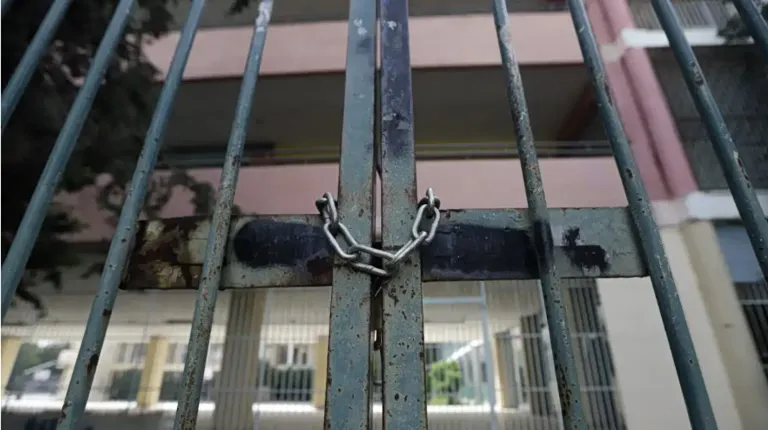
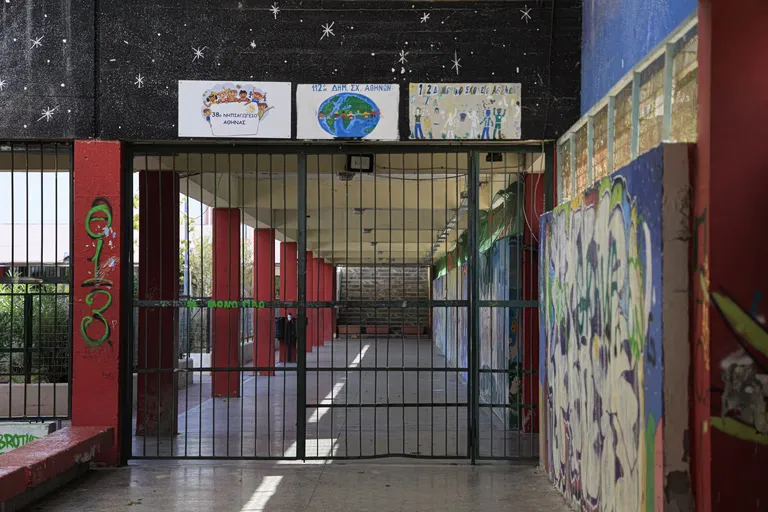
The entire school complex in Grava has officially transitioned back to in-person instruction as of November 2, 2026. This return follows a significant disruption that began on October 9, when the facilities were forced to close to physical occupancy. During this period, all educational activities were moved to a remote learning format to prioritize the safety of the student body and faculty.
The closure was triggered by reports of a noticeable gas odor permeating the school grounds. While the transition to tele-education allowed for continuity in the curriculum, the physical absence of students highlighted the need for a thorough investigation into the potential risks posed by the local utility infrastructure and building maintenance.
Investigation into gas odor reports
Extensive technical inspections were conducted to identify the source of the reported gas scent, though no active leak was detected. According to the reports surrounding the investigation, several key entities participated in the safety audit to ensure no stone was left unturned. These included:
- The natural gas network operator responsible for regional distribution.
- The entity tasked by the Municipality of Athens with the maintenance of school burners.
- The Technical Chamber of Greece, providing professional oversight.
Despite the presence of the odor, the collective findings from these technical experts concluded that there was no detectable gas leak within the facilities. This finding was critical in moving the decision-making process from emergency closure toward a structured reopening plan.
Municipal decisions and safety protocols
The Athens Municipal Council reached a unanimous decision during an emergency session held last Thursday to permit the reopening of the schools. However, the return to campus comes with specific operational restrictions designed to maintain a high safety margin. The council decided that while the buildings are open for students and teachers, the gas supply will remain disconnected for the time being.
The municipality's strategy involves a phased approach to restoring full services. The current objective is to have the heating systems fully operational by the end of November. This timeline allows for any necessary remedial work to be completed and ensures that all required safety certifications are in place before the gas is reintroduced to the school buildings.
Administrative communication and support
In a formal communication sent to school directors, Athens Mayor Charis Doukas addressed the concerns regarding the recent period of uncertainty. The Mayor emphasized that the decision to keep the gas supply closed is a precautionary measure intended to foster a sense of security among the school community.
The Mayor also requested the cooperation of school leadership in helping students and staff adapt to the return to campus. He assured the educational community that the municipal authorities would remain continuously available to provide any necessary assistance or resources required during this transition period.