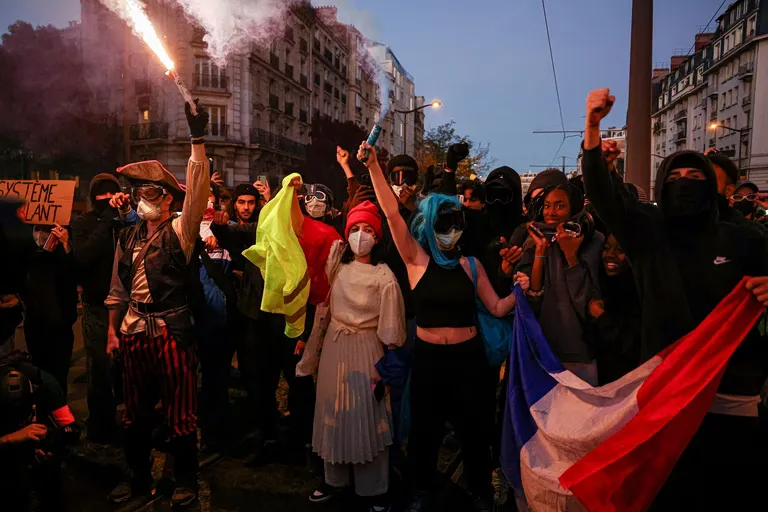
Why is European social unrest being misread by political elites?
Political elites often fail to recognize that current demonstrations are not mere instances of youth delinquency or isolated social friction. There is a profound disconnect in how leadership interprets these movements: some dismiss them as behavioral issues, while others acknowledge social problems without admitting they stem from failed political implementation. A small minority understands the gravity of the situation, yet even they frequently fall into the trap of claiming these movements primarily benefit the far right.
This tendency to label unrest as a precursor to extremism suggests an underlying embarrassment regarding a social dynamic that threatens to overturn long-held political certainties. Instead of addressing the root causes, many leaders retreat into defensive rhetoric, suggesting that market constraints leave little room for alternative policies. This inability to engage with the core of the discontent prevents meaningful dialogue and often leads to a reliance on police repression, which frequently exacerbates the very tension it seeks to contain.
Is this movement more than just youth activism?
The current wave of mobilization is a pan-societal phenomenon where youth serve as the vanguard rather than the sole participants. While young people are at the forefront due to the direct impact of education funding cuts, the movement is characterized by a broad coalition of citizens, including workers and various social groups.
In certain regions, such as France, we are witnessing unprecedented forms of popular unity. These movements bring together traditionally disparate groups, such as established labor unions and youth from immigrant backgrounds in the suburbs. This convergence challenges the divisive narratives often utilized by far-right factions, creating new models of social solidarity that cross ethnic and class lines.
The role of the youth as a catalyst
The youth are driving this change because they are the first generation to face the direct consequences of systemic austerity and the erosion of public services. Unlike previous generations, they are not necessarily burdened by the historical failures of their predecessors, yet they are the ones feeling the immediate pressure of a shrinking social safety net. This makes their activism particularly potent and difficult for traditional political structures to co-opt or ignore.
What are the core demands driving the social upheaval?
At the heart of the unrest is a fundamental questioning of the prevailing social model, which has prioritized privatization, individualism, and constant competition. Citizens are increasingly demanding a return to collective social goods, specifically in the sectors of education and healthcare, to ensure long-term stability and dignity.
The drivers of this discontent can be categorized into several key areas:
- Cost of Living: The ongoing crisis is intensifying social insecurity, leading to urgent demands for income redistribution and measures to protect the middle and lower classes.
- Dignity in Labor: There is a growing refusal to accept economic growth, measured solely by GDP, if it does not translate into better living standards and job security for the majority.
- Systemic Change: The movement is not just about specific policy tweaks; it is a demand for a total shift in political direction to restore public trust in democratic institutions.
This rejection of the "growth at all costs" mantra indicates that the public no longer views rising GDP as a sufficient metric for success if it fails to mitigate rising inequality.
How does this unrest challenge the far right and market logic?
Contrary to the fears of many political commentators, these movements are not necessarily strengthening far-right ideologies; instead, they are creating new forms of social unity that run counter to extremist agendas. When diverse groups unite under common social goals, the divisive tactics of the far right—such as targeting immigrant populations—lose their efficacy.
Furthermore, the movement represents a direct challenge to the idea that markets should dictate social policy. For decades, it has been treated as an absolute truth that market forces must govern the limits of what a society can achieve. The current unrest is a reaction to this perceived loss of sovereignty, as citizens demand that political decisions be made based on human needs rather than market volatility or debt management concerns.
What is the long-term outlook for European democracy?
The current crisis is a symptom of a deep-seated failure in a socio-political model that has struggled to respond to economic stagnation and the cost-of-living crisis. If political leaders continue to offer only repression instead of cohesion, they risk allowing the far right to fill the vacuum by offering false security against perceived external threats.
A genuine path forward requires more than just temporary fixes. It demands a reconstruction of the public sphere and a willingness to engage in discussions that move beyond the outdated economic frameworks of the last decade. This process will involve:
- Building Broad Alliances: Creating coalitions both within individual nations and at the European level to address systemic issues.
- Fresh Political Thinking: Moving away from the mindset that treats every social movement as "anarchy" and instead viewing them as signals for necessary change.
- Empathetic Leadership: Developing political figures who listen to societal anxiety not to dismiss it, but to walk alongside the citizenry toward meaningful reform.
The transition from social unrest to a stable, democratic renewal will be difficult and will face intense conflict with established interests, but it remains the only way to prevent a social crisis from turning into a permanent cultural fracture.
Frequently asked questions
Is the current unrest primarily driven by young people?
While young people are the most visible part of the movement due to education and employment issues, the unrest is pan-societal. It involves a broad coalition including workers and various social classes who are all feeling the pressure of the cost-of-living crisis and the erosion of public services.
Does social unrest lead to the rise of the far right?
Not necessarily. While some elites fear this connection, many current movements are actually creating new forms of social solidarity that cross ethnic and social divides. These new forms of unity often actively work against the divisive and exclusionary tactics typically used by far-right movements.
Why is the cost of living a central issue?
The cost-of-living crisis acts as a catalyst for social insecurity. It highlights the gap between economic growth and the actual living standards of the majority, leading to demands for income redistribution and more robust protections for the middle and lower classes.
What is the role of the market in this crisis?
A major source of tension is the belief that market logic has been allowed to dictate social policy for too long. Citizens are increasingly rejecting the idea that market constraints should limit the provision of essential services like healthcare and education.
Can political repression solve these social issues?
No, political repression often acts as a catalyst that increases tension rather than resolving it. Relying on policing instead of addressing the underlying socio-economic causes tends to fuel further anger and deepens the divide between the state and its citizens.
Key takeaways
- European social unrest is a systemic challenge to the current model of privatization and individualism.
- The movement is pan-societal, involving workers and youth in unprecedented forms of unity.
- Citizens are demanding a shift in priority from GDP growth to social goods like health and education.
- The unrest challenges the dominance of market-driven policy in democratic decision-making.
- Effective resolution requires structural political change rather than mere police repression.
Conclusion
The current wave of social upheaval in Europe is a clear signal that the existing socio-political model is in a state of profound crisis. It is not a mere series of isolated protests, but a fundamental demand for a new social contract that prioritizes human dignity and social cohesion over market dictates. For democracy to be restored and strengthened, political elites must move beyond dismissal and repression. They must embrace fresh thinking and engage with the very real anxieties of the population to build a future that serves the majority rather than just the economy.