What is the core of the Alexis Tsipras election strategy?
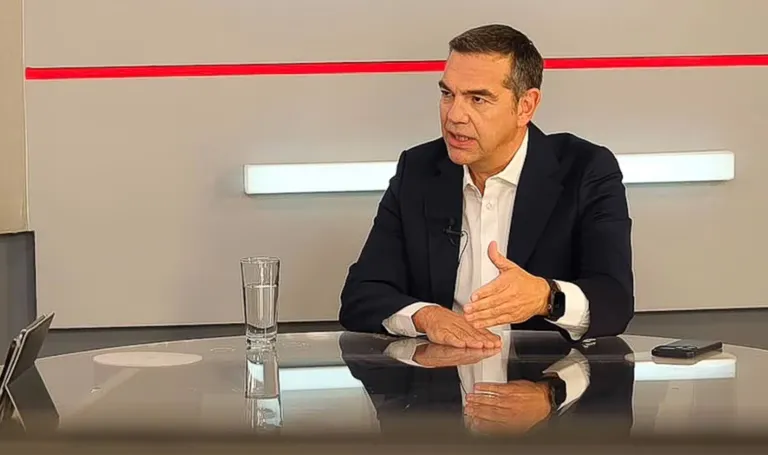
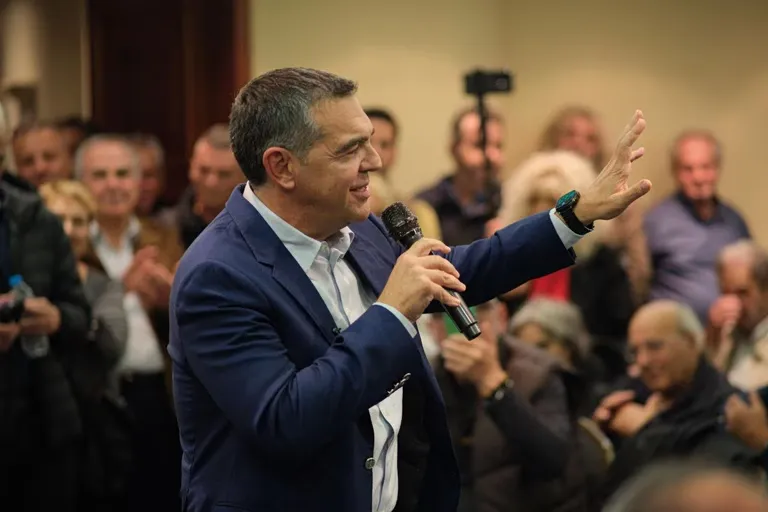
The primary goal of the Alexis Tsipras election strategy is to build a unified progressive and democratic front capable of defeating the current governing party. During a recent address to party members and supporters in Kalamata, the ELAS leader emphasized that his movement is not interested in merely securing second place. Instead, he articulated a vision centered on creating a political force that can face its opponents directly and decisively in any upcoming electoral cycle.
Tsipras positioned his party as a necessary counterweight to both social injustice and the perceived rise of extremist ideologies. He argued that the existence of ELAS serves a dual historical role: acting as a barrier against social inequity and providing a bulwark against the resurgence of fascism and neo-Nazism, which he noted is a trend visible both in Greece and across the broader European landscape.
A focus on unification rather than division
A central pillar of his approach involves consolidating the progressive camp. Tsipras stated that the party's mission is to unite rather than divide democratic forces. By focusing on a platform of victory rather than mere participation, he aims to present a credible alternative to the Mitsotakis administration, targeting voters who feel disenfranchised by the current socio-economic climate.
He emphasized that the party's goal is to create a political entity capable of looking its opponent in the eye to win, regardless of when the next elections are held. For Tsipras, the objective is not to exist for the sake of being a secondary option, but to provide a genuine prospect of victory and to end the current administration's tenure.
How does Tsipras criticize the Mitsotakis government?
Tsipras launched sharp personal and political attacks against Prime Minister Kyriakos Mitsotakis, accusing the administration of fostering a system of cronyism and favoritism. He described the current political environment as a "festivity" for those with connections, alleging that while the well-connected and those with state subsidies thrive, the hardworking majority of the Greek population struggles to make ends meet.
The ELAS president highlighted several specific areas of grievance:
- Economic Inequality: He noted that as time progresses, the cost of living continues to escalate while the gap between the wealthy and the working class widens.
- Cronyism Allegations: He specifically cited instances where he claims certain groups benefit from state subsidies—referencing "blue locusts" taking Porsche cars with OPEKEPE subsidies, as well as "Frappes" and "Butchers"—contrasting this with the plight of honest, hardworking citizens.
- The Choriatiko Case: Tsipras referenced the Choriatiko affair, suggesting that the government's attempts to present themselves as reformers are failing to convince the public, leading to a loss of institutional trust. He stated that the public is beginning to realize there is no other solution than to say "enough."
His rhetoric suggests a campaign built on the premise that the current administration has lost its mandate to govern effectively for the common good, aiming to make this the last winter under a Mitsotakis government.
What are the specific economic proposals for public sector workers?
To address the economic hardships faced by many citizens, Tsipras has proposed significant wage increases for essential public service professionals. He reiterated points made during the Thessaloniki International Fair, focusing on the idea that those who perform vital social functions should not live in financial instability.
His proposals include:
- Healthcare Professionals: An immediate increase in the salaries of doctors and nurses. Tsipras argued that it is unacceptable for these professionals to perform critical duties while earning between 800 and 1,200 euros.
- Educators: A salary hike for teachers and professors. He specifically highlighted the plight of educators assigned to regional schools, noting that many are forced to subsidize their own work because their rent often exceeds their monthly income.
These targeted economic promises are designed to appeal to the middle and working classes, framing the ELAS platform as a direct solution to the systemic issues of poverty and professional devaluation.
The Timeline and Method of the Upcoming Campaign
Looking toward the future, Tsipras noted that the elections are likely only six to seven months away, though the exact timing remains uncertain. He acknowledged that the government may delay the process, noting that "the treasury does not let anyone leave easily," suggesting that the timing of the polls—whether in May, June, or later—will be influenced by economic factors.
Regardless of the specific date, Tsipras called for a traditional, grassroots approach to the campaign. He urged supporters to take the fight to the streets and local communities, utilizing traditional methods of engagement: "home-to-home, the cafe, the square." He framed this struggle as a fight to reclaim the country and secure the future of the nation's children, identifying this as the core stake of the elections in the spring or summer of 2027.
Conclusion
Tsipras's message from Kalamata serves as a rallying cry for a movement seeking to redefine the political landscape of Greece. By combining sharp critiques of the current administration's perceived corruption with concrete promises for public sector reform, he aims to position ELAS as the primary vehicle for progressive change. The upcoming months will determine if his call for unification can translate into a viable electoral force capable of challenging the Mitsotakis government.
Key Takeaways
- Tsipras aims to build a unified progressive front to defeat the current government, rather than settling for a second-place finish.
- The ELAS leader criticized the Mitsotakis administration for fostering cronyism and widening economic inequality.
- Proposed economic reforms include immediate salary increases for doctors, nurses, teachers, and professors.
- The campaign strategy focuses on traditional grassroots engagement to reclaim the country's future.
Frequently Asked Questions
What is the main goal of the ELAS party according to Tsipras?
The main goal is to unite the progressive and democratic world to create a winning political force that can reclaim the country and secure the future of children.
Which public sector workers are promised wage increases?
Tsipras has promised to increase the salaries of doctors, nurses, teachers, and professors, specifically addressing those in regional schools who struggle with living costs.
When are the next elections expected?
While the exact date is uncertain due to economic considerations, Tsipras suggested the elections could occur in the spring or summer of 2027.