Why is the Greek National Health System facing an existential threat?
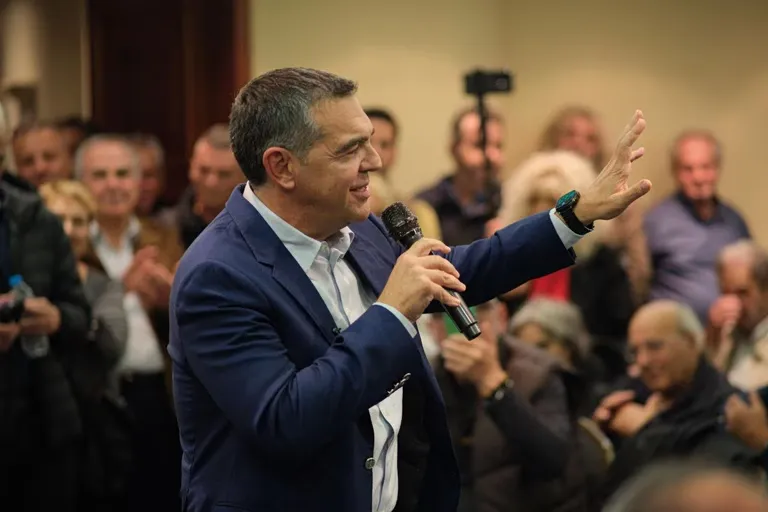
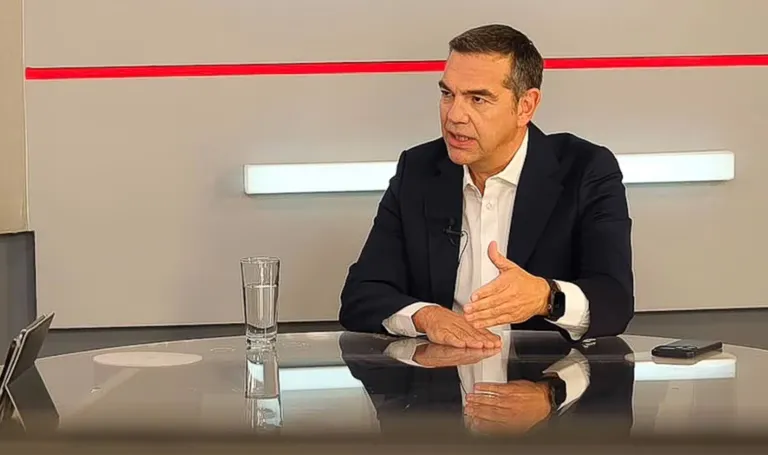
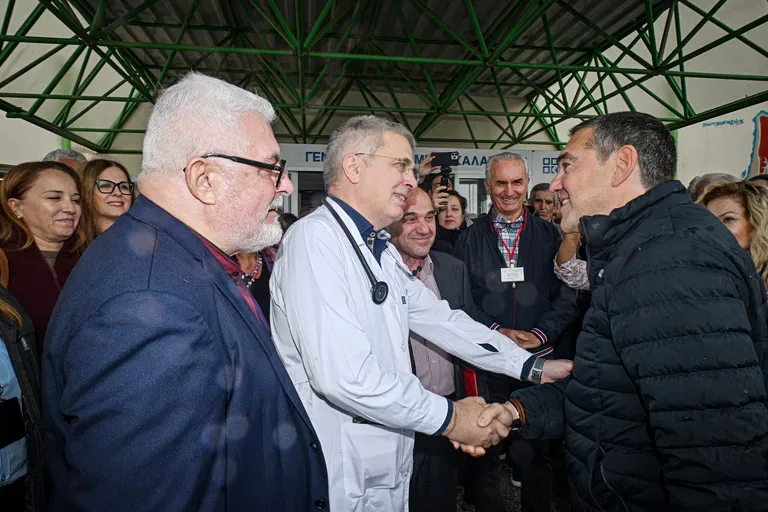
Alexis Tsipras, the president of SYRIZA, has asserted that the very existence of the National Health System (ESY) is being jeopardized by the current Mitsotakis administration. During a recent visit to the Kalamata General Hospital, Tsipras highlighted a growing disconnect between the government's rhetoric and the operational reality of public healthcare facilities. He characterized the situation as a systemic collapse driven by political neglect rather than unavoidable fiscal constraints.
The opposition leader noted that while the Greek economy has moved past the era of international bailouts (memorandums), the public health sector has not seen a corresponding recovery. He argued that the stability of the ESY, which was maintained even during the height of the financial crisis and the COVID-19 pandemic, is now being eroded by a government that he claims prioritizes political communication over substantive healthcare investment.
The impact of political leadership on healthcare
Tsipras specifically criticized the long-term leadership of Adonis Georgiadis, the Minister of Health, who has held the position for three years. While acknowledging the minister's ability to manage public perception and engage in political debate, Tsipras argued that these communication skills have not translated into improvements for the healthcare system. Instead, the opposition leader suggests that the focus on "show" and political maneuvering has left the actual infrastructure of the ESY to deteriorate.
What are the primary drivers of the healthcare decline?
The decline of the ESY is attributed to a combination of understaffing, professional disillusionment, and a significant shift toward private healthcare spending. According to Tsipras, there has been an unprecedented increase in private healthcare expenditures over the last seven years, which he views as a direct consequence of the systematic devaluation of the public sector.
During his visit to Kalamata, Tsipras documented several critical issues that reflect the broader national struggle:
- Severe Staffing Shortages: Patients and their families expressed deep concerns regarding the lack of available doctors, a sentiment echoed by healthcare professionals on the front lines.
- Professional Disillusionment: A midwife with 30 years of experience at the Kalamata hospital expressed profound disappointment among nursing and midwifery staff, highlighting a morale crisis within the workforce.
- Delayed Treatment Cycles: Medical professionals noted that oncology patients face a "Golgotha" of suffering, enduring long and agonizing delays between their initial diagnosis and the commencement of necessary treatments.
How does SYRIZA propose to reform the ESY?
To prevent the total collapse of the public health framework, Tsipras has outlined a specific set of structural interventions designed to re-establish the ESY as a robust institution. These proposals focus on both financial compensation for staff and the expansion of service accessibility.
The proposed reform package includes the following key pillars:
- Immediate Salary Increases: A proposed €500 monthly raise for doctors and nurses to address the chronic underpayment that has driven staff away from the public sector.
- Improved Working Conditions: The formal classification of nursing staff under "heavy and unhealthy" profession categories to reflect the physical and mental demands of their roles.
- Expanded Service Hours: The introduction of free afternoon clinics and surgical procedures within public hospitals to reduce waiting lists and reliance on private providers.
- Structural Reorganization: The implementation of a new Health Map and a significant strengthening of primary healthcare services to ensure more efficient patient management.
The necessity of structural "cuts" or "shifts"
Tsipras emphasized that these measures are not merely incremental adjustments but represent necessary "structural shifts" (τομές). He argued that the opposition must confront the vested interests that benefit from an understaffed and devalued public health system. Without these radical changes, he maintains that the reconstruction of a functional National Health System will be impossible.
What is the political context surrounding these healthcare claims?
The debate over the ESY is framed within a broader struggle over the direction of the Greek welfare state. Tsipras pointed out that the current administration's approach appears to be a deliberate policy choice to move away from a strong public model. He contrasted this with the period following the financial crisis, during which the ESY was managed more effectively despite extreme economic pressure.
The opposition's argument rests on the premise that the fiscal space currently available in the Greek economy should be utilized to prioritize essential public services. By linking healthcare stability to the broader economic recovery, SYRIZA is attempting to position the defense of the ESY as a central pillar of their political platform, arguing that a healthy economy cannot be sustained by a collapsing social safety net.
FAQ: National Health System (ESY) crisis
What is the main criticism against the Mitsotakis government regarding healthcare?
The main criticism is that the government is intentionally devaluing the public health system through neglect and underfunding. Alexis Tsipras argues that the administration's focus on political communication and private sector growth has led to a systemic collapse of the National Health System (ESY).
What specific salary increase is being proposed for medical staff?
Syriza has proposed an immediate monthly salary increase of €500 for both doctors and nurses. This measure is intended to combat the chronic understaffing and low morale currently affecting public hospitals across Greece, ensuring that essential personnel remain within the public sector.
How are oncology patients affected by the current crisis?
Oncology patients are facing significant delays in treatment. Medical professionals have described the period between diagnosis and the start of therapy as a "Golgotha," indicating that the lack of resources and staff is directly impacting the quality of life and survival prospects of cancer patients.
What are the proposed changes to hospital operating hours?
The reform proposal includes the introduction of free afternoon clinics and surgical procedures in public hospitals. This is designed to increase the capacity of the public sector and reduce the need for citizens to seek expensive, private alternatives for urgent or routine medical care.
Why is the nursing profession's status a point of contention?
There is a call to include nursing staff under the category of "heavy and unhealthy" professions. This change would recognize the intense physical and mental demands of the job, potentially providing better legal protections and benefits to help stabilize the nursing workforce.
Key takeaways
- Alexis Tsipras claims the Mitsotakis government's policies are threatening the existence of the ESY.
- A proposed €500 monthly salary increase is demanded for doctors and nurses.
- Significant delays in oncology treatments are reported due to systemic resource shortages.
- SYRIZA proposes free afternoon clinics to reduce reliance on private healthcare.
- The opposition seeks to reclassify nursing as a "heavy and unhealthy" profession.
The future of public healthcare in Greece
The confrontation between the government and the opposition over the National Health System highlights a fundamental disagreement regarding the role of the state in healthcare. While the administration maintains its focus on economic stability and managed growth, the opposition warns that the social cost of neglecting the ESY will be catastrophic. The outcome of this debate will likely determine whether Greece moves toward a more privatized healthcare model or succeeds in revitalizing its public health infrastructure through the structural reforms currently being demanded.