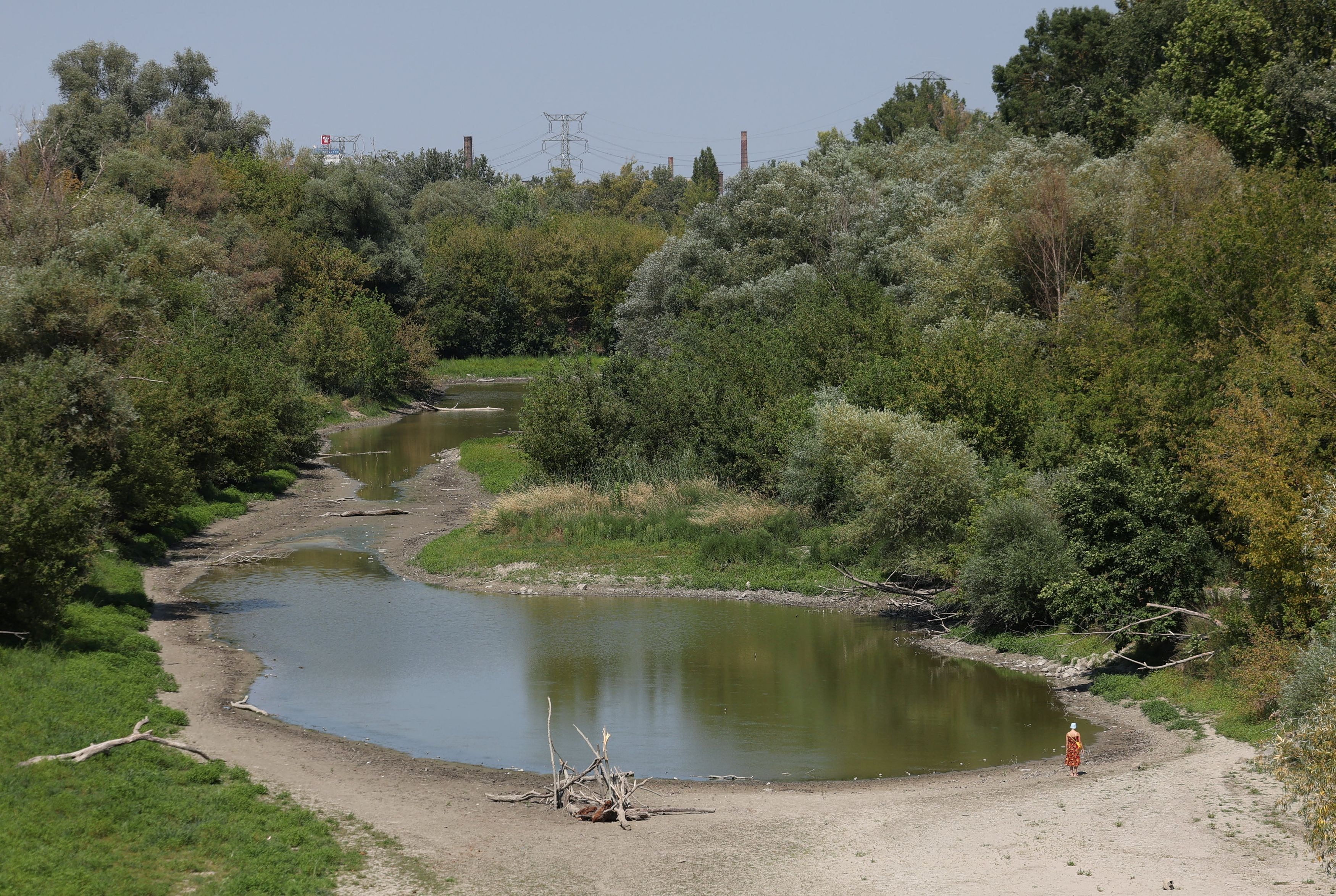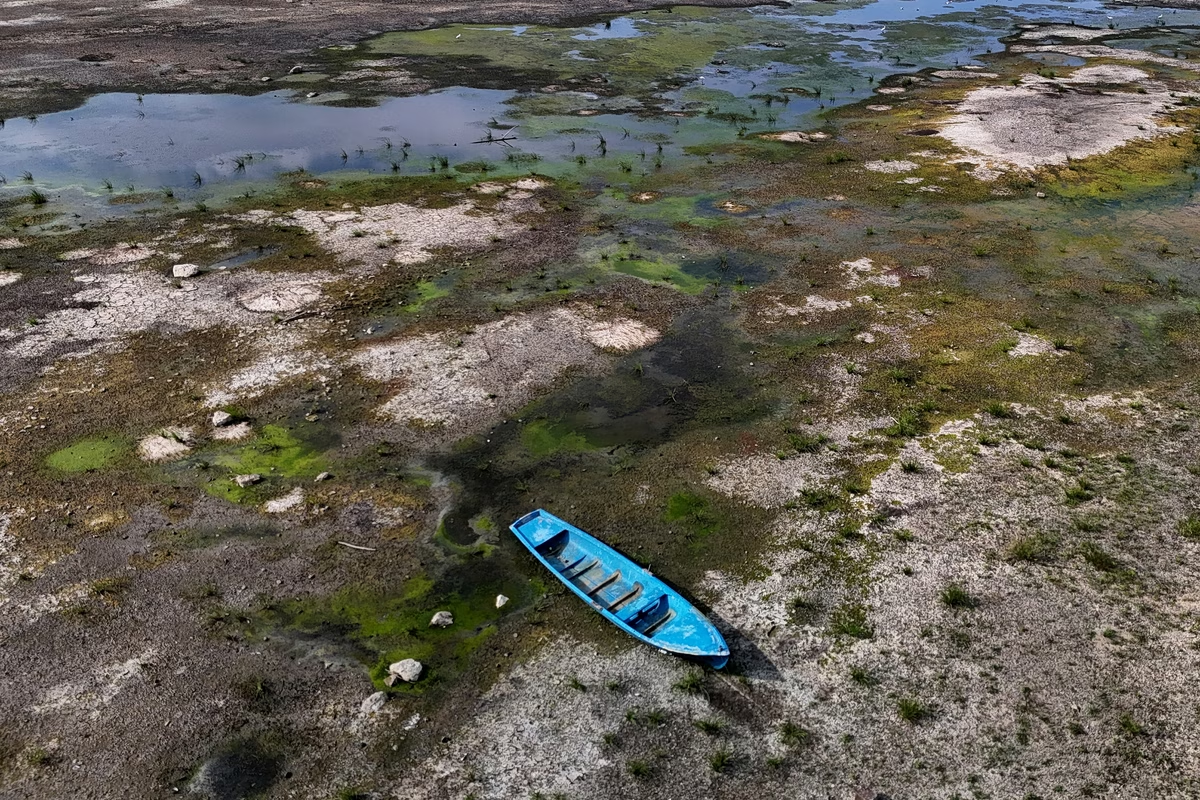
Systematic investigations are commencing along the Danube River's dried-up riverbed in Bulgaria following the discovery of mammoth bones. This event, occurring amid exceptionally low water levels, has prompted a focused archaeological effort. The findings are expected to shed new light on prehistoric life in the region.
Initial Discoveries Amidst Low Water Levels
The recent significant drop in water levels along the Danube River, particularly in the Bulgarian section, has exposed previously submerged areas, leading to unexpected archaeological finds. Among these discoveries are ancient mammoth bones, which have quickly attracted the attention of scientists and historians. The exposure of these remains provides a rare opportunity to study prehistoric fauna that once roamed the region.
Systematic Investigations Underway
Following the initial discovery, Bulgarian authorities and archaeological teams have initiated systematic research efforts along the riverbed. These investigations aim to thoroughly document and excavate the site, hoping to uncover more artifacts and remains. The low water levels, while posing environmental challenges, have created unique conditions for such discoveries, allowing access to areas typically inaccessible to researchers. [TO VERIFY: Specific institutions or archaeologists involved in the investigations].
Historical Context of Mammoth Discoveries
Mammoth remains have been found across Europe, offering crucial insights into the Pleistocene epoch and the ancient ecosystems of the continent. The Danube region, known for its rich geological history, has previously yielded various prehistoric artifacts. This latest discovery reinforces the area's importance as a significant paleontological site, potentially revealing more about the distribution and characteristics of mammoths in Southeastern Europe. [TO VERIFY: Any specific historical mammoth finds in the Bulgarian Danube region to provide context].
Potential for Further Paleontological Insights
The ongoing investigations are anticipated to provide valuable data for paleontologists and archaeologists. By studying the recovered bones, researchers can determine the species of mammoth, estimate their age, and analyze their environmental context. This information is vital for understanding the climate, vegetation, and animal life of prehistoric Bulgaria. The unusual circumstances of this discovery, directly linked to environmental changes, underscore the dynamic relationship between natural phenomena and archaeological opportunities. [TO VERIFY: Any preliminary findings or hypotheses about the specific mammoth species or period].
Editor's Note: Source content insufficient. Enrichment recommended on:
- Specific location of the discovery along the Danube in Bulgaria.
- Names of the archaeological teams or institutions involved.
- Details about the type of mammoth bones found (e.g., tusks, skull, full skeleton).
- Estimated age of the mammoth remains.
- Context of previous similar discoveries in the region.
- Environmental implications of the Danube's low water levels beyond archaeological findings.