Major Forecasting Centers Agree on Dangerous Heat Scenario
A serious warning has been issued regarding an upcoming heatwave episode, with meteorologist G. Tsatrafyllias indicating that conditions are aligning for a period of very high to extreme temperatures. According to the forecaster, two of the largest and most respected meteorological forecasting centers are now converging on the same scenario, raising the level of confidence in predictions that point toward exceptionally hot weather in the near term.
The alignment of major forecasting models is particularly significant in meteorological terms, as it reduces uncertainty and strengthens the reliability of the outlook. When independent modeling systems reach similar conclusions, it is generally taken as a stronger signal that the anticipated weather pattern is likely to materialize as predicted.
What Is Being Forecast?
The expected heatwave is being characterized as a serious meteorological episode rather than a routine summer warm spell. Temperatures are anticipated to climb to levels that could be described as extreme, with the most intense heat projected to affect certain periods more acutely than others. Meteorologists are pointing to specific critical days during which conditions are expected to peak, though exact figures and precise timing may be subject to refinement as the event approaches.
Heatwave episodes of this nature are classified based on their intensity, duration, and geographic reach. When all three factors combine unfavorably, the resulting conditions can pose significant risks not only to comfort but also to public health, infrastructure, and the natural environment. The current forecast appears to involve multiple contributing factors that could make this particular episode especially noteworthy.
Understanding the Risks Associated With Extreme Heat
Extreme heat events carry a range of risks that extend well beyond physical discomfort. Public health authorities consistently flag prolonged high-temperature periods as among the most dangerous natural phenomena, particularly for vulnerable segments of the population. Elderly individuals, young children, people with pre-existing medical conditions, and outdoor workers are generally considered to be at the highest risk during such events.
Heat-related illnesses can range from mild conditions such as heat cramps and heat exhaustion to life-threatening emergencies including heatstroke. The risk is compounded when nighttime temperatures remain elevated, preventing the body from recovering during cooler hours. Urban areas, where the so-called urban heat island effect can amplify ambient temperatures, tend to experience more intense heat stress than rural regions during such events.
- Elderly residents and individuals with chronic health conditions face heightened vulnerability
- Urban environments may experience temperatures several degrees higher than surrounding rural areas
- Elevated nighttime temperatures reduce the body's ability to recover from daytime heat exposure
- Outdoor workers and those without access to air conditioning are particularly at risk
- Increased demand for electricity during heatwaves can strain power grids and lead to outages
Environmental and Infrastructure Concerns
Beyond public health, extreme heat events also create significant challenges for infrastructure and the natural environment. High temperatures can affect transportation networks, with road surfaces and rail tracks susceptible to deformation under prolonged heat stress. Energy systems often face peak demand during heatwaves as air conditioning usage surges, sometimes leading to supply difficulties or outages in regions where grid capacity is stretched.
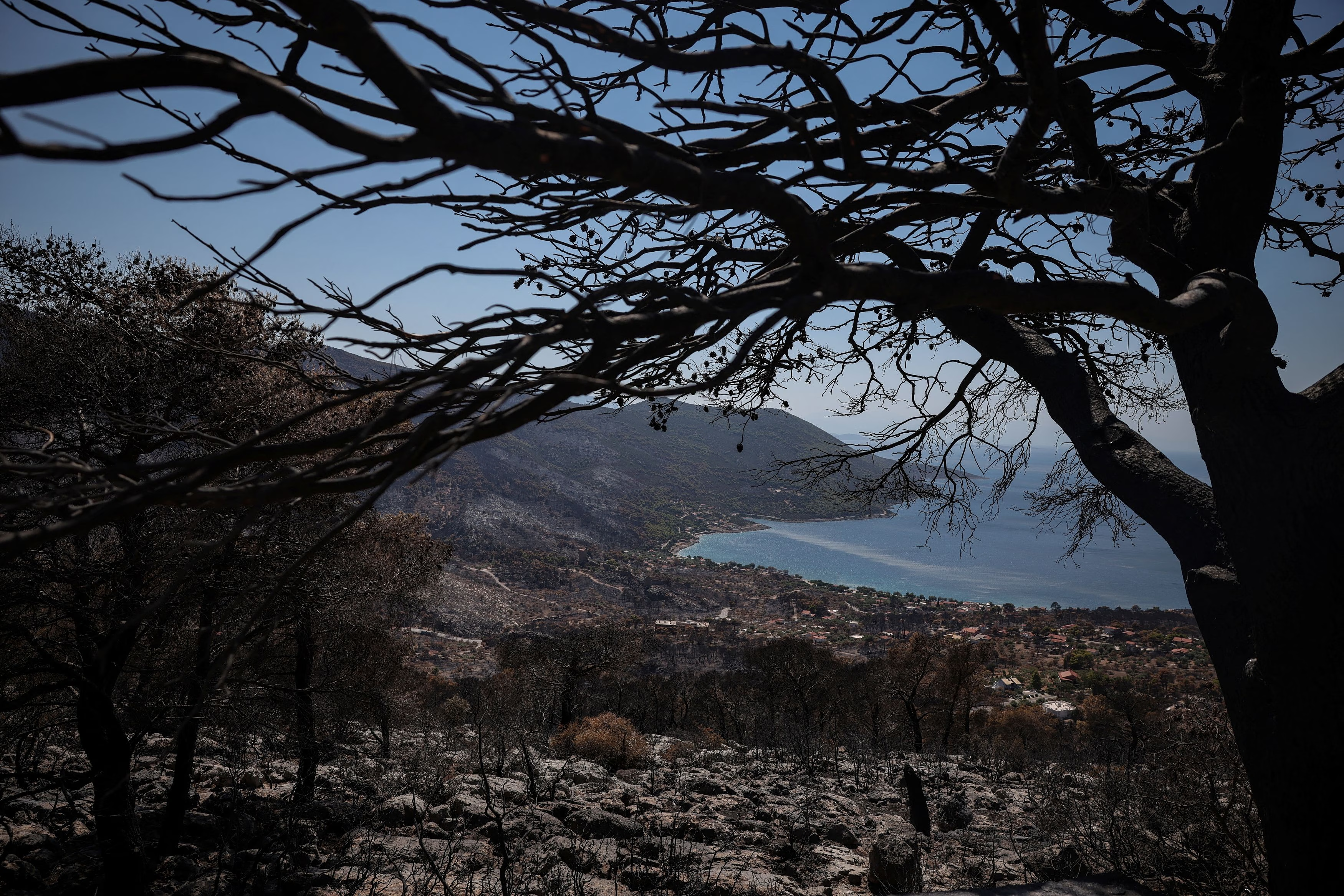
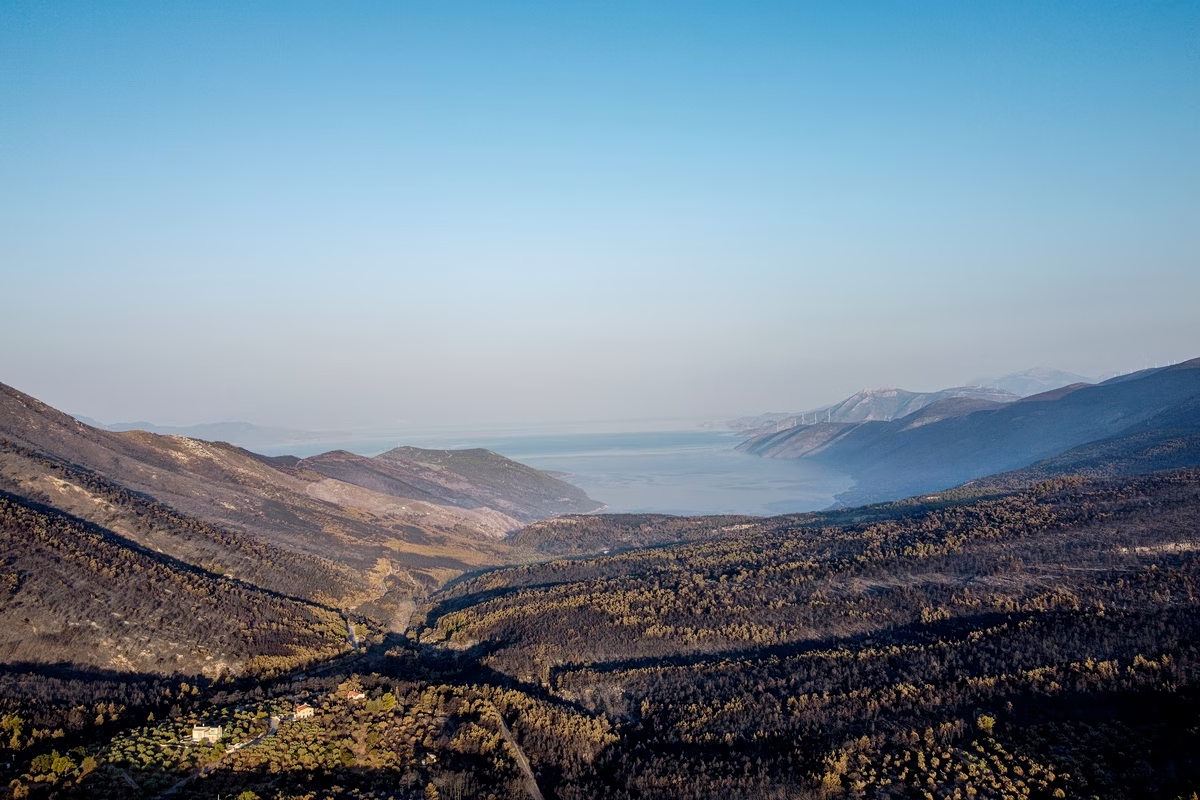
From an environmental standpoint, intense heat contributes to elevated wildfire risk, particularly in areas where vegetation is dry or drought conditions are already present. The combination of high temperatures, low humidity, and strong winds creates conditions that can allow fires to ignite and spread rapidly. Authorities in regions prone to wildfires typically move to heightened alert status during such meteorological episodes.
The Broader Context of Summer Heat in the Mediterranean
The Mediterranean region, including Greece, has historically been subject to significant summer heat, but the frequency and intensity of extreme heat events have drawn increasing attention in recent years. Climatological data and research suggest that heatwaves are becoming more frequent, longer in duration, and more intense across many parts of Europe and the broader Mediterranean basin.
This trend is consistent with projections made by climate scientists regarding the effects of rising global average temperatures. As background temperatures increase, extreme heat events that were once considered rare are occurring more regularly, and their peak intensities are also climbing. This context adds significance to individual heatwave episodes, as each new event unfolds against a baseline that is progressively warmer than in previous decades.
The convergence of two major forecasting centers on a scenario involving extreme temperatures significantly increases confidence in the outlook and underscores the importance of preparedness measures during the critical days ahead.
Recommended Precautions During Extreme Heat
During periods of intense heat, health authorities and civil protection agencies typically recommend a series of precautionary measures to minimize risk. Staying indoors during the hottest hours of the day, usually between late morning and late afternoon, is one of the most effective strategies for reducing heat exposure. Ensuring adequate hydration by drinking water regularly, even in the absence of thirst, is also strongly advised.
Checking on neighbors, relatives, and friends who may be particularly vulnerable is another key recommendation. Community awareness and mutual assistance play an important role in reducing heat-related harm during extreme events. Those without access to air conditioning at home are encouraged to make use of public cooling spaces, such as libraries, shopping centers, or designated cooling centers that may be opened by local authorities during emergencies.
- Avoid outdoor activities during peak heat hours, typically between 11:00 and 17:00
- Drink water frequently throughout the day, regardless of thirst levels
- Keep living spaces cool by using blinds, curtains, or shutters to block direct sunlight
- Wear lightweight, light-colored, and loose-fitting clothing when outdoors
- Monitor official announcements and weather updates from meteorological services
Monitoring the Situation
As the anticipated heatwave episode approaches, meteorologists and civil protection authorities are expected to provide updated information and guidance through official channels. The situation will continue to be monitored closely, and any refinements to the forecast — including adjustments to timing, geographic extent, or expected peak temperatures — will be communicated as they become available.
Residents in potentially affected areas are encouraged to remain informed, take preparedness steps in advance, and follow the advice of health and civil protection authorities throughout the duration of the event. Paying attention to official warnings and acting on recommended precautions can make a meaningful difference in reducing the personal and community impact of a serious heatwave episode.