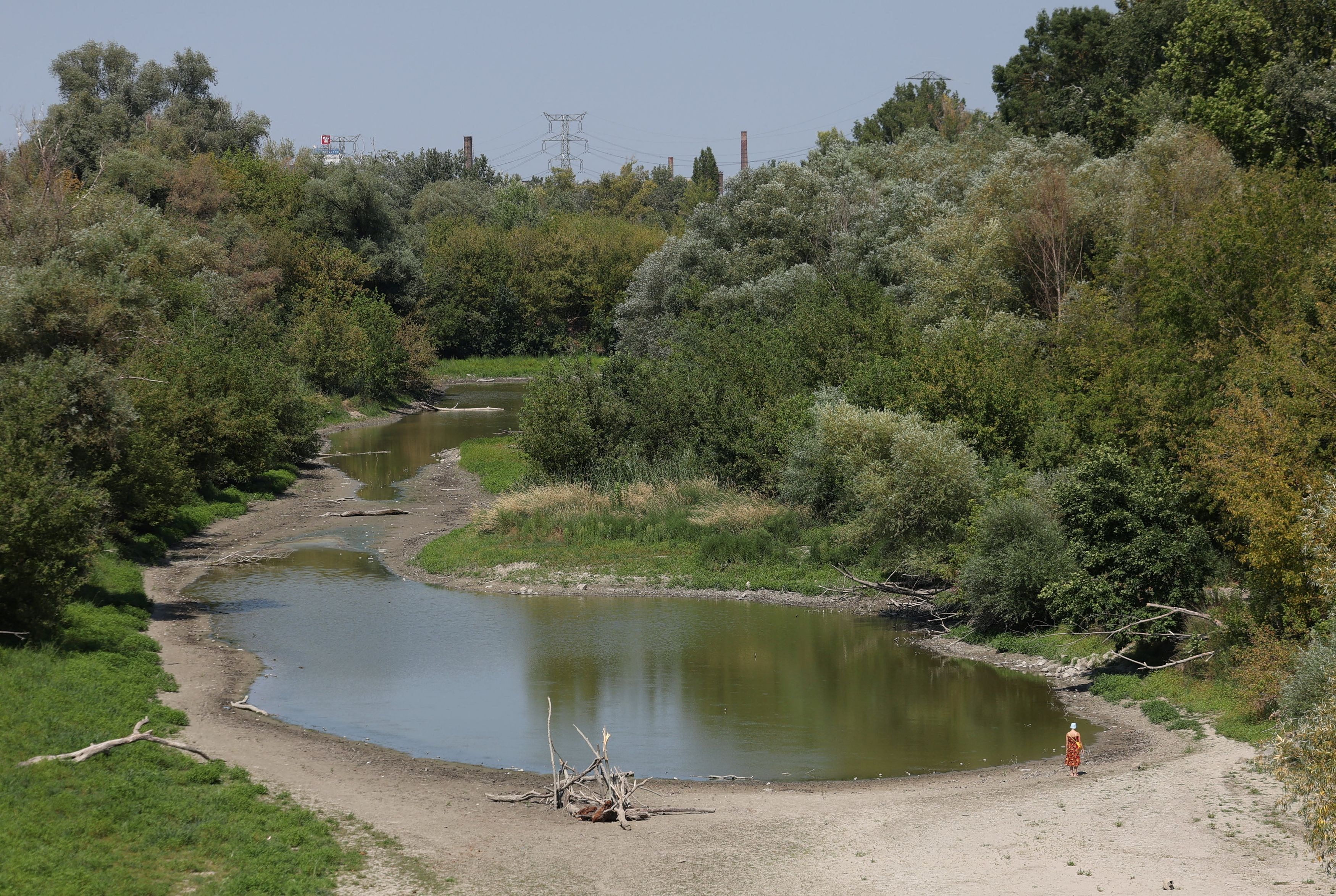
A Water-Rich Land Transformed by Human Intervention
Hungary was once considered one of Central Europe's most water-abundant nations. Its vast plains were interspersed with marshes, floodplains, and natural wetlands that supported diverse ecosystems and helped regulate the country's water cycle. However, a long history of deliberate land drainage — driven largely by agricultural ambitions and infrastructure expansion — has fundamentally altered the country's hydrological landscape, leaving it vulnerable to a water crisis that experts say was decades in the making.
Today, an estimated 80% of Hungary's original wetlands have disappeared. What was once a naturally self-regulating system of rivers, swamps, and seasonal floodplains has been replaced by a heavily engineered network of drainage canals, dikes, and artificially managed waterways. The consequences of this transformation are now becoming impossible to ignore.
The Historical Drive to Drain
The systematic draining of Hungarian wetlands began in earnest during the 19th century, when large-scale river regulation projects were initiated to open up land for agriculture. The Tisza River, one of the country's most significant waterways, was among the first to be heavily modified. Engineers straightened its course, constructed embankments, and installed drainage infrastructure that allowed previously flooded land to be converted into farmland.
This process accelerated further during the 20th century, particularly under communist-era agricultural policies that prioritized maximum crop yields and land productivity. Wetlands were seen as wasteful and economically unproductive, and their drainage was viewed as a form of progress. Millions of hectares of marshland were converted into arable fields, and the drainage systems that enabled this transformation became deeply embedded in the country's rural infrastructure.
For a time, the approach appeared to deliver economic benefits. Agricultural output increased, and land that had previously flooded seasonally became available for year-round cultivation. However, what was not fully understood — or was simply ignored — was the critical role that wetlands play in maintaining regional water balance, supporting biodiversity, and providing a natural buffer against both floods and droughts.
The Ecological Role of Wetlands
Wetlands function as natural sponges. They absorb and store rainwater during periods of high precipitation, releasing it slowly into the surrounding environment during drier periods. This buffering capacity helps maintain groundwater levels, sustains river flows during dry seasons, and reduces the impact of both flooding and drought. When wetlands are drained, this regulatory function is lost.
Beyond water management, wetlands are among the most ecologically productive environments on Earth. They provide habitat for a wide range of plant and animal species, support migratory bird populations, and contribute to water purification by filtering pollutants before they enter rivers and lakes. Their removal does not simply alter the landscape — it dismantles an entire ecological infrastructure that has evolved over thousands of years.
In Hungary's case, the loss of this infrastructure has left the country increasingly exposed to the effects of climate variability. With fewer natural water retention areas, rainfall that does occur tends to run off quickly rather than being absorbed into the ground. Aquifers are not adequately recharged, and rivers can swing rapidly between flood conditions and critically low water levels.
A Country Struggling With Drought
In recent years, Hungary has experienced some of the most severe drought conditions in its recorded history. Agricultural regions that were once reliably productive are now facing water shortages that threaten crop yields. The Tisza River and other waterways have recorded historically low levels during summer months, affecting not only farming but also navigation, energy production, and drinking water supplies in some areas.
The situation has been further compounded by the broader effects of climate change, which is increasing average temperatures across the Carpathian Basin and altering precipitation patterns. Summers are becoming hotter and drier, while winter and spring rainfall — critical for recharging soil moisture and groundwater — is becoming less predictable. Against this backdrop, the absence of functional wetland systems has left Hungary with few natural tools to adapt.
Farmers in affected regions have reported mounting losses as irrigation demands rise and water availability declines. In some communities, wells that were once reliable sources of drinking water have begun to run dry. The economic and social costs of the water crisis are becoming increasingly tangible.
Efforts to Restore What Was Lost
Awareness of the problem has prompted growing interest in wetland restoration as a potential solution. Environmental organizations and some government bodies have begun advocating for the rehabilitation of degraded wetland areas, arguing that restoring natural water retention capacity is one of the most effective strategies available for building resilience against both drought and flooding.
Several restoration projects have already been initiated in Hungary, targeting areas along the Tisza and other river systems. These efforts typically involve breaching or modifying drainage infrastructure to allow water to re-enter former floodplains, replanting native vegetation, and creating conditions that allow natural wetland ecosystems to recover over time.
However, progress has been slow and contested. Agricultural interests remain powerful, and many landowners are reluctant to see productive farmland returned to its natural state. The financial and logistical challenges of large-scale restoration are also considerable, and there is debate about which areas should be prioritized and how restoration efforts should be funded.
Restoring wetlands is not simply an environmental goal — it is increasingly being recognized as a practical necessity for countries facing the realities of a changing climate.
A Broader Lesson for Europe
Hungary's predicament is not unique. Across Europe and around the world, wetland destruction has followed a similar pattern — short-term economic gains pursued at the cost of long-term ecological stability. The European Union has in recent years placed greater emphasis on wetland protection and restoration through its biodiversity strategy and related policy frameworks, recognizing that healthy ecosystems are essential infrastructure for climate adaptation.
The Hungarian case serves as a stark illustration of what can happen when natural systems are dismantled without adequate consideration of their long-term value. The drainage projects of past centuries were undertaken with genuine developmental intent, but they were based on an incomplete understanding of how ecosystems function and what they provide.
As Hungary and other nations confront the growing pressures of climate change, the rehabilitation of wetlands and other natural water systems is increasingly being viewed not as a luxury or a purely environmental concern, but as a fundamental component of sustainable land and water management. The challenge now lies in translating that recognition into meaningful action before the consequences of inaction become even more severe.