The dispute over Starshield service limitations
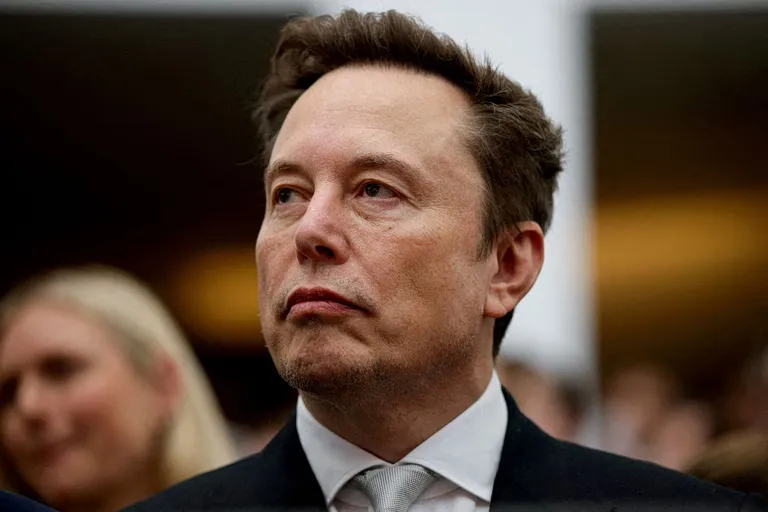
Elon Musk has directly challenged President Volodymyr Zelensky's assertions that the Starshield satellite network is subject to systematic speed restrictions. During a video conference event organized by the New York Times on Wednesday, Musk responded to allegations of service degradation by stating, "That is false," when questioned about the reported slowdowns in Ukraine.
The disagreement centers on whether the technical limitations observed by the Ukrainian military are a result of intentional throttling or a fundamental refusal to provide commercial-grade services for combat roles. Musk clarified his position by suggesting that the Ukrainian leadership is misrepresenting the nature of the service provided. "What I am trying to say is that Zelensky is actually demanding to use commercial Starlink satellites for military operations, and we have refused to do that since the beginning of the war," Musk stated.
Differentiating Starlink from Starshield
A critical component of this dispute is the distinction between the commercial Starlink network and the military-oriented Starshield system. While Starlink is designed for civilian and general connectivity, Starshield represents a specialized version intended for defense applications. Musk's argument rests on the premise that the requirements for military-grade connectivity are distinct from those of the commercial network, and that the responsibility for how these tools are deployed in a combat zone lies with state actors rather than the private provider.
Technical impact on Ukrainian drone operations
The Ukrainian military has reported specific technical failures that they attribute to Starshield restrictions, particularly concerning the operation of unmanned aerial systems (UAS). According to Kyiv, the Starshield terminals currently in use stop transmitting signals if the connected device exceeds a speed of 160 kilometers per hour.
This speed cap has direct implications for the effectiveness of Ukraine's defensive capabilities against Russian aerial incursions. The limitation is particularly problematic when attempting to intercept high-speed threats. The following table outlines the operational impact of these reported technical constraints:
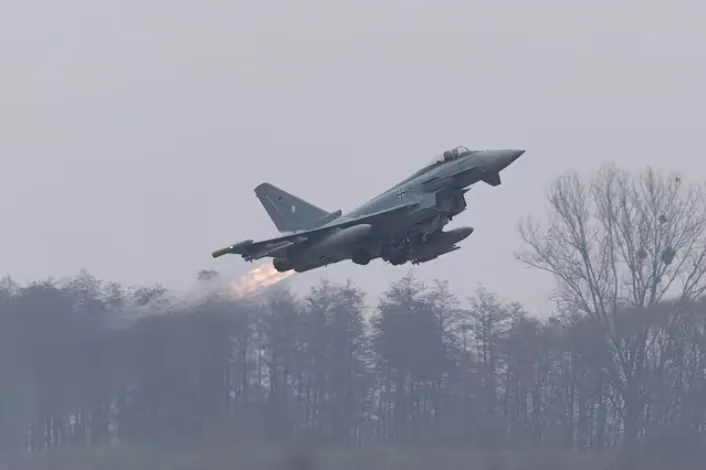
President Zelensky has emphasized that these "systematic speed restrictions" make it nearly impossible to utilize advanced drones to intercept Russian jet-powered drones, which are increasingly used by Russian forces in raids against the capital, Kyiv.
Control and accountability of the satellite network
A central point of contention in the Musk-Zelensky exchange is the question of who holds the authority to implement or lift restrictions on the Starshield network. Musk has reiterated that the operational control of Starshield rests with the United States Pentagon, effectively distancing SpaceX from the decision-making processes regarding service availability in conflict zones.
This claim shifts the focus of accountability from the private sector to the U.S. government. Previously, both the White House and Elon Musk had distanced themselves from responsibility regarding the specific restrictions mentioned by the Ukrainian presidency. However, recent media reports suggest that these limitations may have been lifted following orders from U.S. President Donald Trump.
The role of the Pentagon and the White House
The hierarchy of control for Starshield is a complex matter involving private technology and sovereign military oversight. While SpaceX provides the hardware and the satellite constellation, the military-grade protocols and the parameters of its use are dictated by the Pentagon. This structure means that any perceived "throttling" or restriction of service in a theater of war is a policy decision made by the United States government rather than a technical choice made by SpaceX engineers.
Historical context of the Musk-Zelensky tension
The current accusations are not an isolated incident but a continuation of a long-standing tension between the billionaire and the Ukrainian leader. The two have engaged in heated exchanges since at least October, when Zelensky accused Washington of imposing the very restrictions he was describing.
The timeline of these disputes highlights a recurring cycle of accusation and denial:
- October: Zelensky accused the United States of imposing restrictions on satellite services, leading to public disagreements.
- Late 2026: Zelensky reported "major disruptions" and systematic speed limits affecting Starshield performance.
- November 2026: Musk officially labeled the claims of intentional throttling as "false," citing the Pentagon's control over the system.
The resolution of these technical and political disputes remains tied to the broader geopolitical landscape, especially as the administration of Donald Trump introduces new variables into the management of U.S. military support and technological deployment in the region.
| Operational Element | Impact of 160 km/h Restriction |
|---|---|
| Standard UAVs | Minimal impact; most reconnaissance drones operate below this threshold. |
| Jet-powered Drones | Significant impact; inability to maintain connection during high-speed intercepts. |
| Russian Air Defense Interception | Reduced effectiveness in countering fast-moving jet-powered drones targeting Kyiv. |