The core requirements for household self-sufficiency
The new guidelines focus on ensuring that every household can independently manage its basic needs for a minimum of three days. This period is critical because emergency services may be overwhelmed by the scale of a sudden-onset crisis. Rather than mandating a single, standardized kit for all of Europe, the European Commission emphasizes that individuals must adapt their supplies to their specific personal needs, local environment, and geographic location.
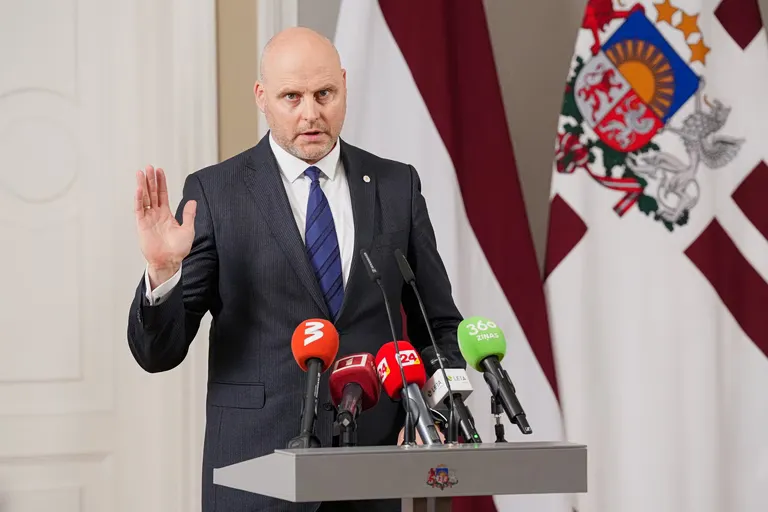
According to Commissioner Hazaj Lahbib, "There is no single emergency kit that fits everyone. Every person must adapt their own kit to their personal needs, their environment, and their geographic location. Everyone must use common sense and sound judgment when selecting necessary items."
Essential items for an emergency kit
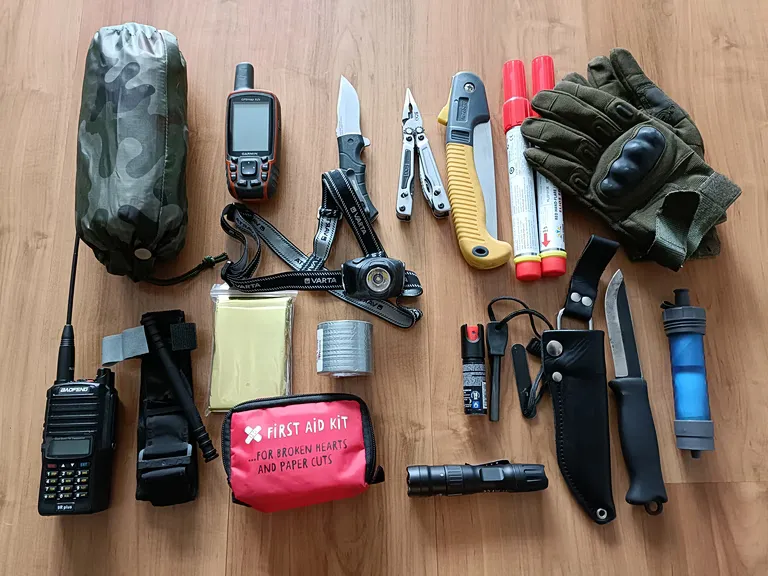
To achieve the recommended 72-hour resilience, the guidelines suggest prioritizing the following categories of supplies:
- Food and Water: Sufficient stocks of non-perishable food and potable water.
- Medical Supplies: Essential medications and a comprehensive first-aid kit.
- Financial Readiness: Cash reserves to handle situations where electronic payment systems are offline.
- Utility Tools: Flashlights and other basic emergency tools.
- Documentation: An evacuation bag containing vital personal documents, medicine, and essential personal items.
The guidelines also advocate for the acquisition of practical skills, such as the ability to cook without electricity and the capacity to provide basic first aid, to supplement physical supplies.
Rising hybrid threats and infrastructure vulnerabilities
The timing of these guidelines follows a significant increase in hybrid threats across Europe, including cyberattacks, drone incursions, and acts of sabotage against critical infrastructure. These incidents have demonstrated the potential to paralyze entire communities by disrupting communications, transportation, and electricity networks. While the European Commission maintains that a generalized war remains unlikely, the EU's proximity to the ongoing Russian aggression in Ukraine remains a factor of vulnerability.
Recent incidents highlight the specific nature of these modern threats:
| Incident Type | Details and Scope |
|---|---|
| Cyberattacks on Food Supply | In late October 2026, hackers breached internet-connected refrigerators in dozens of supermarkets across seven EU countries (Belgium, Luxembourg, Netherlands, Sweden, Finland, Estonia, and Ireland), causing food spoilage. A similar attack affected approximately 700 supermarkets in France. |
| Security Threats to Aviation | In early November 2026, a wave of anonymous bomb threats targeted at least 20 European airports and over 35 commercial flights, causing emergency landings and terminal evacuations in Belgium, France, Italy, Ireland, Portugal, and Denmark. |
| Infrastructure Sabotage | Throughout 2026, officials reported suspicious drone activity and sabotage attempts near energy and transport hubs, including the discovery of a drone with explosives at Leipzig/Halle Airport in Germany in August 2026. |
French authorities attributed the supermarket cyberattacks to hackers linked to the Islamic Revolutionary Guard Corps (IRGC). Regarding the airport threats, investigators in Ireland and France explored the possibility of foreign interference, suggesting the goal may have been to exhaust emergency resources and incite public panic.
Transitioning to a proactive Preparedness Union Strategy
The implementation of these guidelines represents a shift in how the European Union manages large-scale emergencies. In March 2025, the European Commission adopted the Preparedness Union Strategy, which seeks to move the bloc from reactive crisis management toward proactive preparation and protection. This strategy aims to integrate preparedness into the daily lives of citizens rather than treating it as an exceptional measure.
The current guidelines were developed through a collective process involving EU Member States and participating countries within the Union Civil Protection Mechanism (UCPM). This process included various workshops and consultations to ensure the advice is practical and scalable. To ensure effectiveness, the guidelines encourage national authorities to conduct regular surveys to assess whether households understand local risks and have taken practical preparatory steps.
Educational integration for long-term resilience
A key component of the new strategy is the introduction of crisis management education at the earliest stages of schooling. The guidelines propose integrating safety and emergency preparedness into pre-school and primary education curricula.
The objective is for children to develop the skills to recognize risks, follow official warnings, use the European emergency number (112), and provide basic first aid. The Commission suggests that this training be incorporated into daily teaching through games and school activities to avoid causing undue fear or anxiety in children.
Ensuring inclusive and accessible protection
The European Commission has emphasized that emergency preparedness must be inclusive to be effective. This means that evacuation procedures, transportation, and the provision of shelter must account for diverse accessibility needs. A central ten of the guidelines is that persons with disabilities should be actively involved in the design and planning of these emergency measures to ensure they are not left behind during a crisis.
Furthermore, the guidelines stress that first aid teams and rescuers require specialized training to handle the complexities of diverse populations. By focusing on accessibility, the EU aims to prevent the marginalization of vulnerable groups during the critical first 72 hours of an emergency event, ensuring that the collective resilience of the Union is not undermined by gaps in individual preparedness.