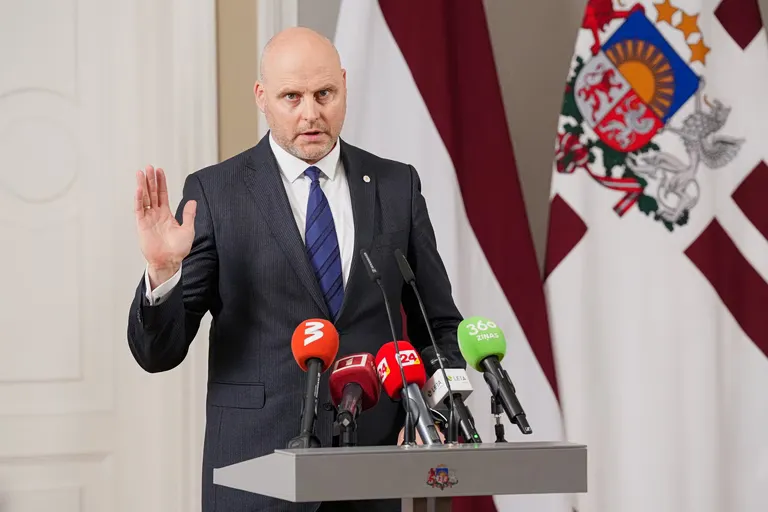
A historic mandate for the United List
The Prime Minister's centrist, pro-Ukrainian political formation, the United List, achieved a landmark result in the October elections. By securing 35.3% of the total vote, the party set a new precedent for electoral success in the post-1991 era of Latvian politics. Despite this significant mandate, the United List did not reach the threshold required to govern alone, necessitating the search for additional partners to ensure a stable parliamentary majority.
According to the Prime Minister's announcement on Sunday, the decision to partner with the nationalist National Alliance was driven by both political alignment and existing relationships. Kulbergs noted that the move was a logical step following extensive discussions with various potential partners and an evaluation of their respective political positions.
Election Performance Summary
| Party Name | Political Alignment | Election Result |
|---|---|---|
| United List | Centrist / Pro-Ukrainian | 35.3% of the vote |
| National Alliance | Nationalist | Coalition Partner |
Political stability and the path to majority
The formation of this coalition follows a period of significant political transition in Latvia. Prime Minister Andris Kulbergs assumed his role in May, succeeding a previous coalition government that collapsed due to security failures. The prior administration's downfall was specifically linked to its handling of incidents involving Ukrainian military drones that entered Latvian airspace without timely detection.
By aligning with the National Alliance, Kulbergs seeks to mitigate the instability that characterized the previous term. The Prime Minister emphasized that the long-standing cooperation between the United List and the National Alliance provided a foundation for this partnership. This strategic move is intended to consolidate power and prevent the legislative paralysis that often follows fragmented election results.
Economic challenges and governance objectives
The new government faces a difficult economic landscape. Data indicates that the Latvian economy has underperformed compared to its Baltic neighbors for more than a decade. This prolonged period of slower growth places immediate pressure on the incoming administration to implement effective fiscal and structural reforms.
To address these systemic issues, Kulbergs has outlined several key priorities for his tenure. His administration's agenda focuses on three primary pillars of governance:
- Improved Governance: Enhancing the efficiency and transparency of state institutions.
- Bureaucracy Reduction: Streamlining administrative processes to facilitate easier operations for citizens and businesses.
- Public Spending Cuts: Implementing measures to reduce state expenditures and manage the national budget more effectively.
The success of the Latvia coalition government will likely depend on how effectively these nationalist and centrist partners can reconcile their differing ideologies to execute these economic mandates while maintaining national security protocols.