Nvidia CEO Jensen Huang is facing an FBI investigation following reports of a personal relationship with a woman accused of spying for China. President Donald Trump has publicly defended the tech executive, stating that he believes Huang is an "honest man" who had no knowledge of the individual's alleged espionage activities. The controversy, involving Alice Huang, also known as Huang Le, has triggered a massive sell-off in Nvidia stock and heightened geopolitical tensions between the United States and China. Market analysts are now closely monitoring the potential impact on the semiconductor industry's stability.
Trump defends Jensen Huang amid espionage allegations
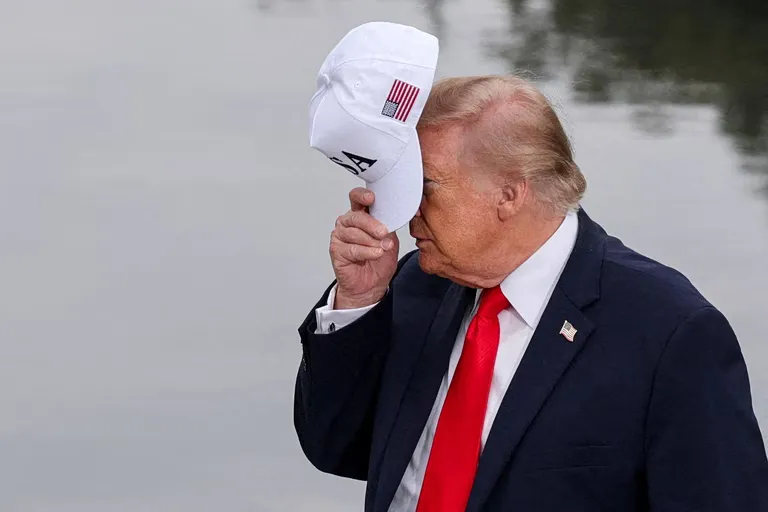
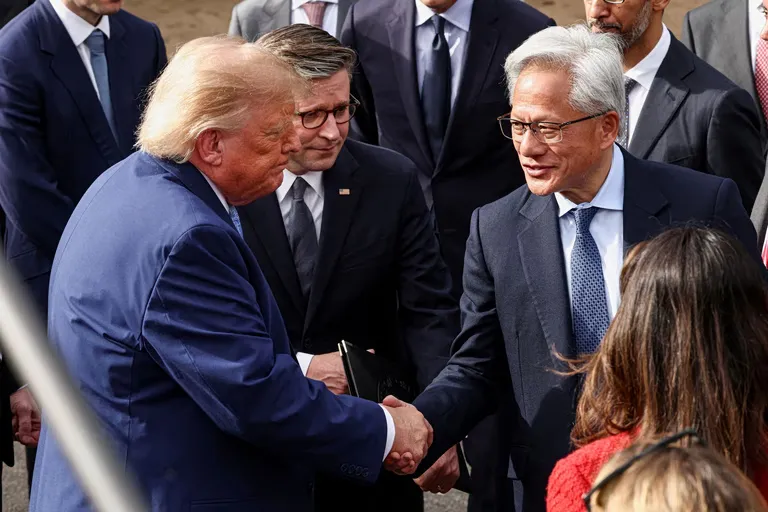
President Donald Trump has expressed his support for Nvidia CEO Jensen Huang, stating that the FBI is currently investigating the executive's connection to a woman suspected of spying for China. Speaking at a press conference at the White House, Trump revealed that he had personally spoken with Huang regarding the matter. According to Trump, Huang maintained that he was entirely unaware of the individual's alleged ties to Chinese intelligence services.
"I asked him [Mr. Huang] about this and he told me he had absolutely no idea that this specific person was a spy. And I believe him," Trump told reporters. The President characterized Huang as an "amazing guy" and an "honest man," expressing his belief that the CEO will emerge from this crisis unscathed. Trump also noted that the situation appears to be causing Huang significant personal distress, adding, "I hope there is no problem. I believe he is suffering greatly."
The scope of the presidential intervention
While Trump offered his personal backing, he did not provide specific details regarding the timeline of the FBI investigation or the exact nature of the intelligence gathered. He did, however, suggest that the matter might become a point of contention in international diplomacy, estimating that Chinese President Xi Jinping would likely raise the issue during their next meeting. This high-level involvement underscores the sensitivity of the case, given Nvidia's central role in the global artificial intelligence infrastructure.
Details of the alleged connection to Chinese intelligence
The scandal originated from a report by the New York Times, which detailed a close personal relationship between Jensen Huang and Alice Huang, also known as Huang Le. Intelligence services concluded that Alice Huang was gathering information on behalf of Beijing while serving as a director at Megaspeed, a Singapore-based company that maintained business transactions with Nvidia.
It is important to note that Alice Huang is not related to Jensen Huang. The investigation focuses on whether this personal link facilitated the transfer of sensitive data or provided a conduit for Chinese intelligence to access corporate or national security information. Nvidia has responded by launching its own independent internal investigation, asserting that the CEO was the target of a "foreign intelligence service operation."
The company has emphasized that, at this stage, there is no evidence to suggest that either corporate secrets or classified national security information have been compromised. The internal probe aims to determine the extent of the contact and whether any proprietary data was exposed during the relationship.
Market volatility and shareholder legal actions
The fallout from the allegations caused immediate and severe financial repercussions for Nvidia. On Monday, the company's market capitalization plummeted by approximately $200 billion in a single day. The sudden drop reflected investor anxiety regarding both the leadership stability of the company and the potential for increased regulatory or geopolitical scrutiny.
| Metric | Impact/Change |
|---|---|
| Nvidia Market Cap Loss | ~$200 billion (single day) |
| Jensen Huang's Stake | Reduced by several billion dollars |
| S&P 500 Performance (Monday) | +2.35% |
| Nasdaq Performance (Monday) | +2.74% |
| Dow Jones Performance (Monday) | +2.15% |
While the broader markets saw gains on Monday, Nvidia's specific volatility stood out. Although the stock saw a modest recovery of about 1% during Tuesday morning's after-hours trading, the damage to investor confidence remains a primary concern. This instability has prompted several shareholders to initiate class-action lawsuits against Nvidia. These legal actions allege that the company misled investors by concealing the nature of Huang's relationship with the individual linked to Chinese espionage.
The future of Jensen Huang's leadership
As the "grandfather of AI," Jensen Huang's position at the helm of Nvidia is considered critical to the company's long-term strategy and the broader AI investment landscape. Analysts suggest that his departure is unlikely, given his central role in driving the company's success. Stephanie Rasgon, an analyst at Bernstein, noted that Nvidia is not a typical company and Huang is not a typical CEO, as he largely dictates the firm's strategic direction.
In an open letter published on the Nvidia website, the 63-year-old CEO addressed the controversy directly. He admitted to having an extramarital affair with a business executive and issued a public apology to his wife and the company. While he did not name the woman involved, he acknowledged that the reports regarding his personal life and the potential national security implications led the board of directors to launch an investigation.
Commitment to national security and corporate integrity
In his letter, Huang stated his full support for the ongoing investigations and pledged his complete cooperation. "I love our country and our company. I am committed to protecting Nvidia and supporting the national security of America," Huang wrote. His response aims to decouple his personal indiscretions from his professional responsibilities and his loyalty to the United States, a move seen as essential to maintaining his standing with both the board and the federal government.
Geopolitical implications and US-China tech restrictions
The scandal arrives at a moment of heightened tension in the technological arms race between the United States and China. Current export restrictions prevent Nvidia from selling its most advanced H200 microprocessors to Chinese firms, a limitation that could cost the company billions in revenue. Huang has previously lobbied Washington to ease these restrictions, successfully securing Trump's approval for H200 chip sales earlier this year.
China has officially denied any involvement in attempting to entrap Huang, labeling the espionage allegations as "unsubstantiated" and part of a "defamation" campaign against Beijing. Chinese state media, including the Global Times, have suggested that the New York Times report may have been intended to destabilize US-China relations. The Global Times noted, "Every time China-US relations begin to improve, there are often those who shoot from the shadows."
The intersection of corporate governance, personal conduct, and international espionage highlights the vulnerabilities inherent in the global semiconductor supply chain. As China pursues its goal of becoming a global AI leader by 2030, the scrutiny on key figures like Jensen Huang will likely intensify, making the outcome of the FBI and Nvidia investigations a pivotal moment for the tech industry and international diplomacy alike.