The transition to a culture of daily emergency readiness
The European Commission is shifting its focus from high-level strategic planning to the practical, everyday implementation of crisis management to create a shared culture of readiness throughout European society. These new guidelines, unveiled at the European Civil Protection Forum by Commissioner for Equality, Preparedness and Crisis Management Hadja Lahbib on November 3, 2026, serve as a concrete step in fulfilling the commitments made in the EU Readiness Strategy of March 2025. Rather than merely proposing theoretical actions, the Commission is now specializing the specific measures required to systematically strengthen citizen preparedness across all Member States.
To ensure these guidelines reflect the needs of the population, the Commission conducted technical consultations with experts from every EU Member State. Furthermore, between March and May 2026, the Commission held three two-day sessions involving 150 randomly selected citizens from across the Union. The recommendations resulting from these citizen assemblies are now publicly available and have informed the current framework.
To institutionalize this focus, the Commission has proposed the establishment of an annual EU Readiness Day, which is scheduled to take place every October 23, starting in 2027. This initiative aims to make preparedness a common priority throughout the continent.
The four strategic pillars of the new EU guidelines
The new framework presented by Commissioner Hadja Lahbib focuses on four core areas designed to bolster community resilience against both natural and man-made disasters. These pillars provide a structured approach to how individuals and societies should prepare for unforeseen disruptions.
- 72-hour self-sufficiency: Ensuring citizens can cover basic needs independently for the first three days of a crisis.
- Early childhood education: Integrating readiness training into school curricula so children learn to recognize risks, evaluate information, and know how to seek help.
- Inclusion of persons with disabilities: Prioritizing the accessibility of emergency warnings and evacuation procedures for vulnerable groups.
- Effective risk communication: Protecting the public from misinformation and deepfakes while ensuring timely access to threat assessments.
Addressing systemic vulnerabilities
The Commission notes that modern crises frequently trigger simultaneous failures in critical infrastructure. When electricity, water supplies, telecommunications, and global supply chains are interrupted at once, emergency authorities require a window of time to organize responses and reach affected areas. The 72-hour target is specifically designed to bridge this gap, allowing professional responders to focus their immediate resources on those in the most urgent need while the general population manages their basic survival needs.
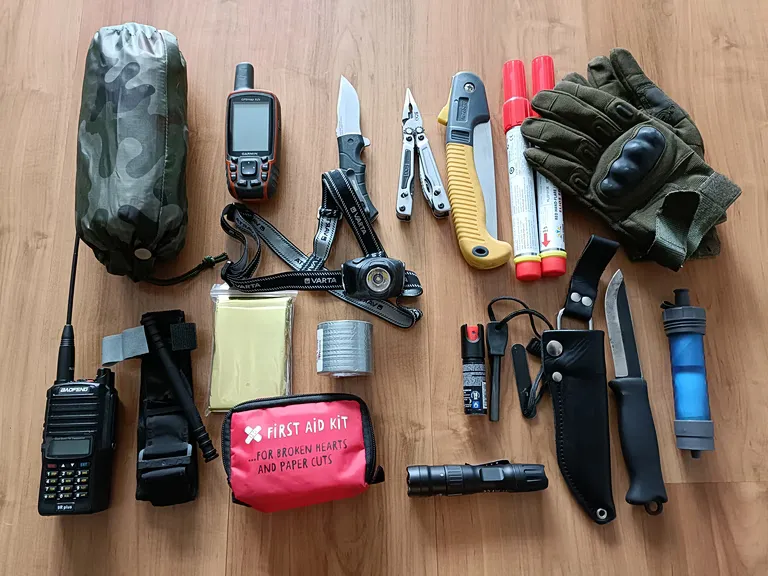
Components of the 72-hour survival kit and self-sufficiency goals
A central element of the guidelines is the practical preparation of households to handle the first 72 hours of an emergency without external assistance. The Commission suggests that citizens should maintain essential stocks and develop specific management skills to navigate the initial period of instability.
| Category | Recommended Items/Skills |
|---|---|
| Essential Supplies | Water reserves, non-perishable food, and necessary medications. |
| Emergency Equipment | Alternative heating sources, cooling methods, and lighting tools. |
| Practical Skills | First aid training and emergency situation management. |
| Planning | Development of a family emergency plan. |
Public assistance may also be mobilized through the distribution of emergency provisions and specialized emergency bags. These kits are intended to provide the fundamental tools required to maintain health and safety when standard utility services are unavailable.
Expert perspectives on resilience and systemic vulnerability
The guidelines have received positive evaluation from disaster management experts, though they are framed as a tool for resilience rather than a method of alarmism. Efthymis Lekkas, President of OASP and Professor of Applied Geology and Natural Disaster Management at the University of Athens, noted that these measures are a positive step toward reducing system vulnerability and improving overall resilience.
According to Mr. Lekkas, modern lifestyles have often led to a lack of consideration for the risks posed by natural phenomena or human-induced processes. He emphasized that the guidelines serve to mitigate the impact of such events by preparing the population for the reality of potential service failures. His assessment aligns with the Commission's view that the 72-hour window is a minimum reference point, not a guarantee that a crisis will end within that timeframe, but a necessary buffer for households.
The necessity of this buffer is underscored by the potential duration of utility failures. Experts suggest that disruptions to energy or water networks can persist long enough to overwhelm immediate response capacities if citizens are not prepared to manage their own basic requirements in the interim.