Wildfire Erupts in Drama's Lefkogia Area
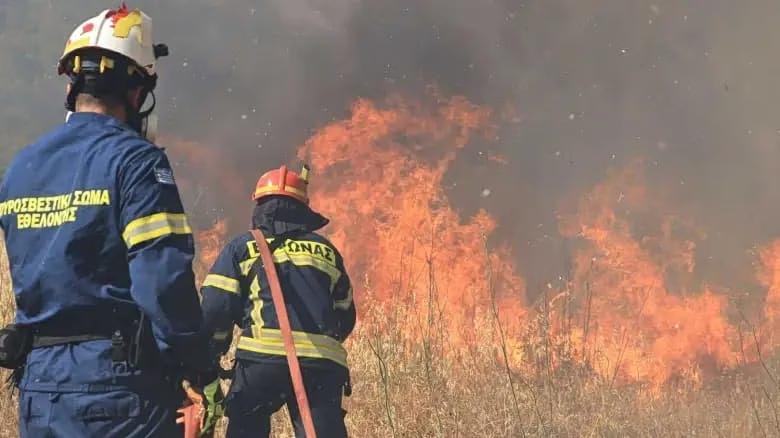
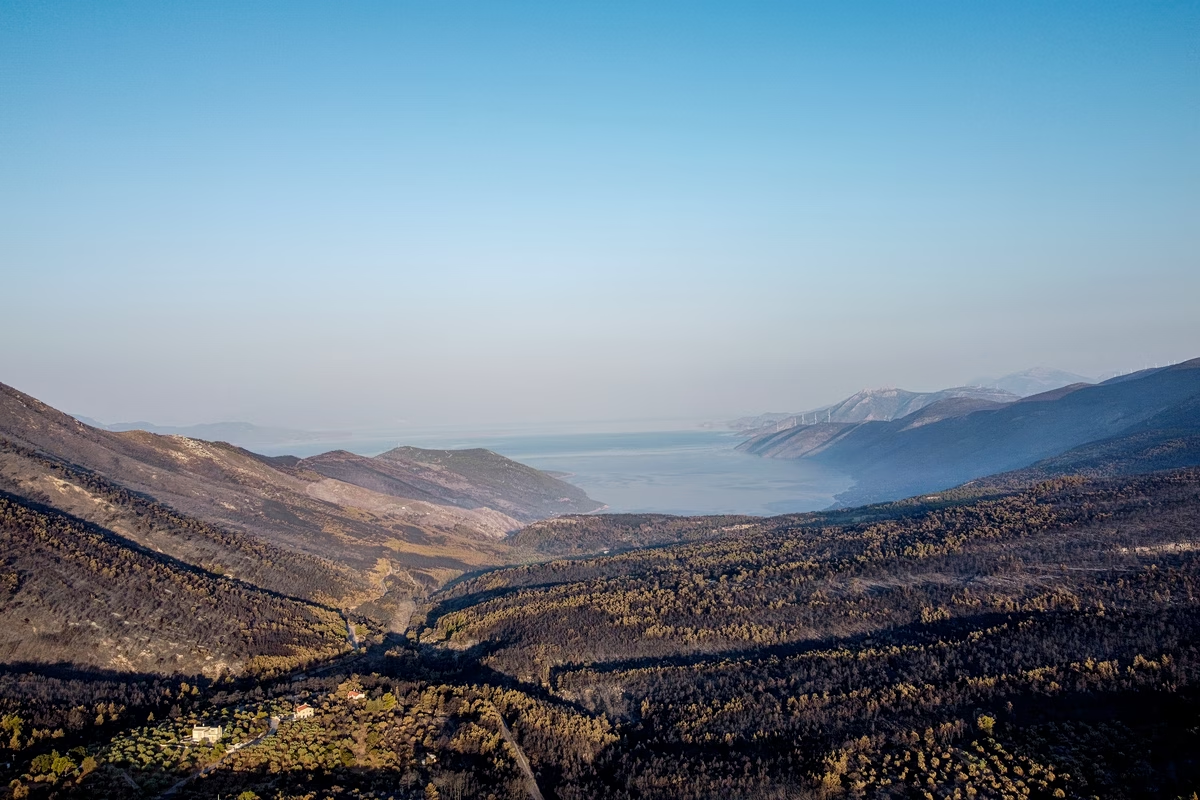
A forest fire broke out in the Lefkogia area of the Drama regional unit in northern Greece on the afternoon of August 22, 2026. Fire service authorities were alerted to the incident at approximately 4:30 p.m. local time, prompting an immediate mobilization of firefighting resources to contain the blaze before it could spread further into the surrounding woodland.
Lightning Identified as Probable Cause
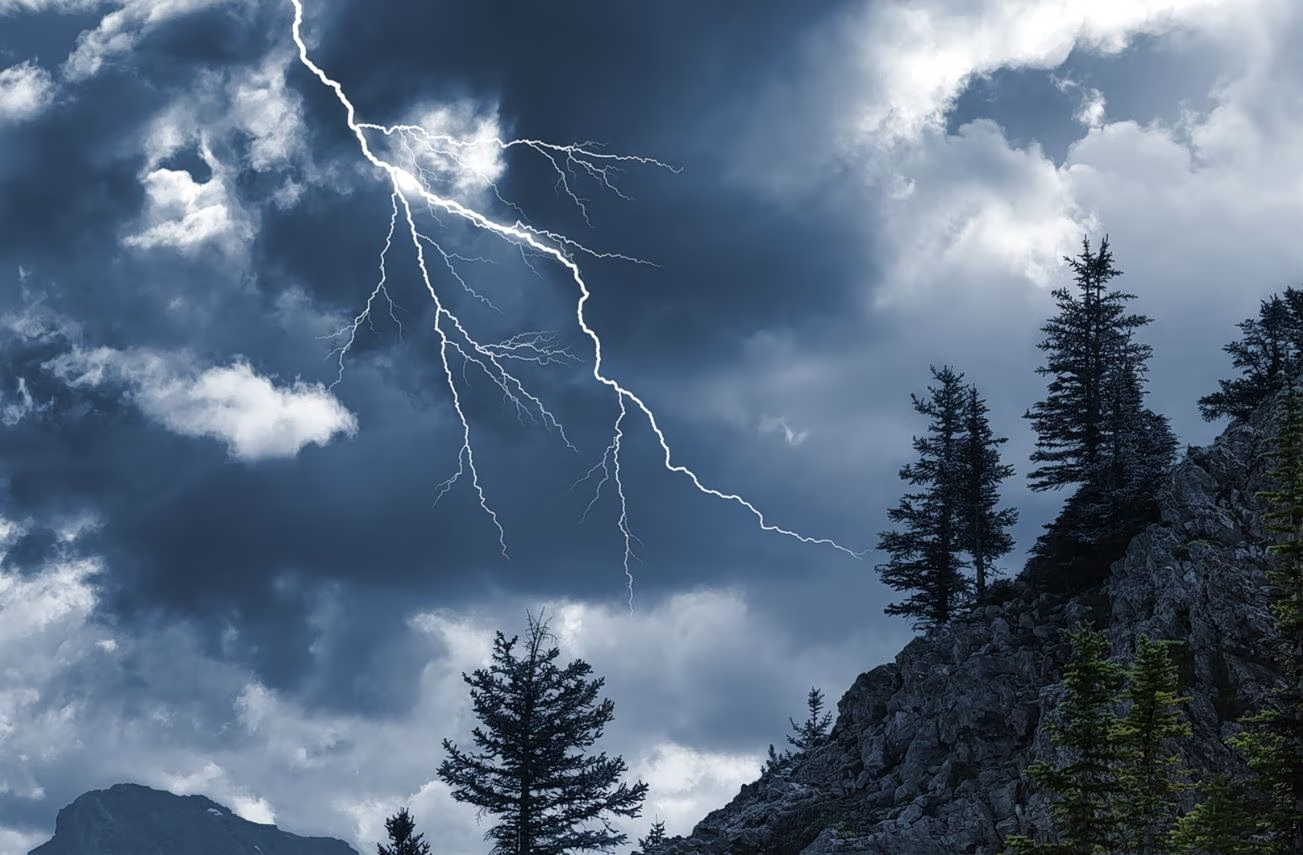
Investigators and fire service officials believe the fire was most likely ignited by a lightning strike. The region had experienced rainfall and significant lightning activity in the hours preceding the outbreak, which is consistent with the pattern seen in many lightning-induced wildfires during summer storm events in Greece. While an official determination has not yet been confirmed, the combination of atmospheric conditions strongly points toward a natural electrical cause rather than human activity.
Lightning-caused wildfires are not uncommon in Greece, particularly during late summer when thunderstorms can develop rapidly over mountainous and forested terrain. The Drama regional unit, located in the northeastern part of the country, contains extensive woodland areas that become especially vulnerable during periods of dry heat punctuated by sudden storm activity.
Firefighting Response and Resources Deployed
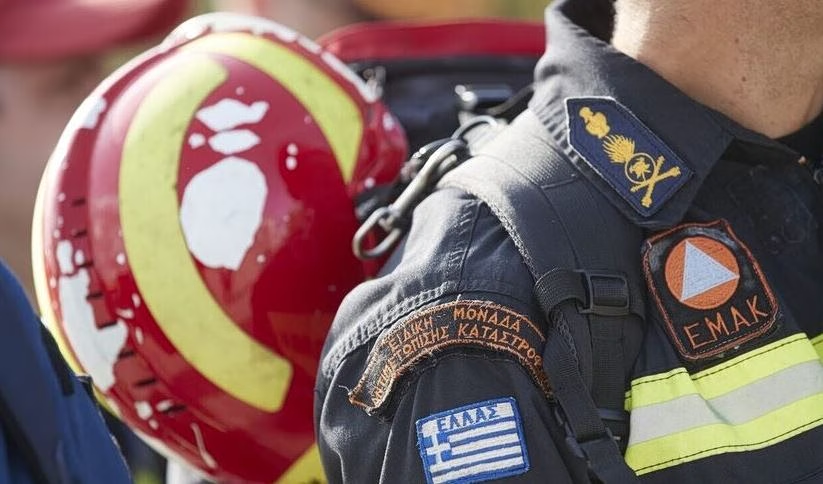
Fire service crews responded swiftly to the incident, and reinforcements were dispatched as the situation developed. According to official statements from the fire service, a total of 28 firefighters were deployed to the scene to battle the blaze on the ground. The personnel included two specialized hiking teams drawn from the 2nd and 21st Emergency Forest Firefighting Units, known by their Greek acronym EMODE. These units are specifically trained to operate in rugged and difficult terrain where conventional firefighting vehicles cannot easily reach.
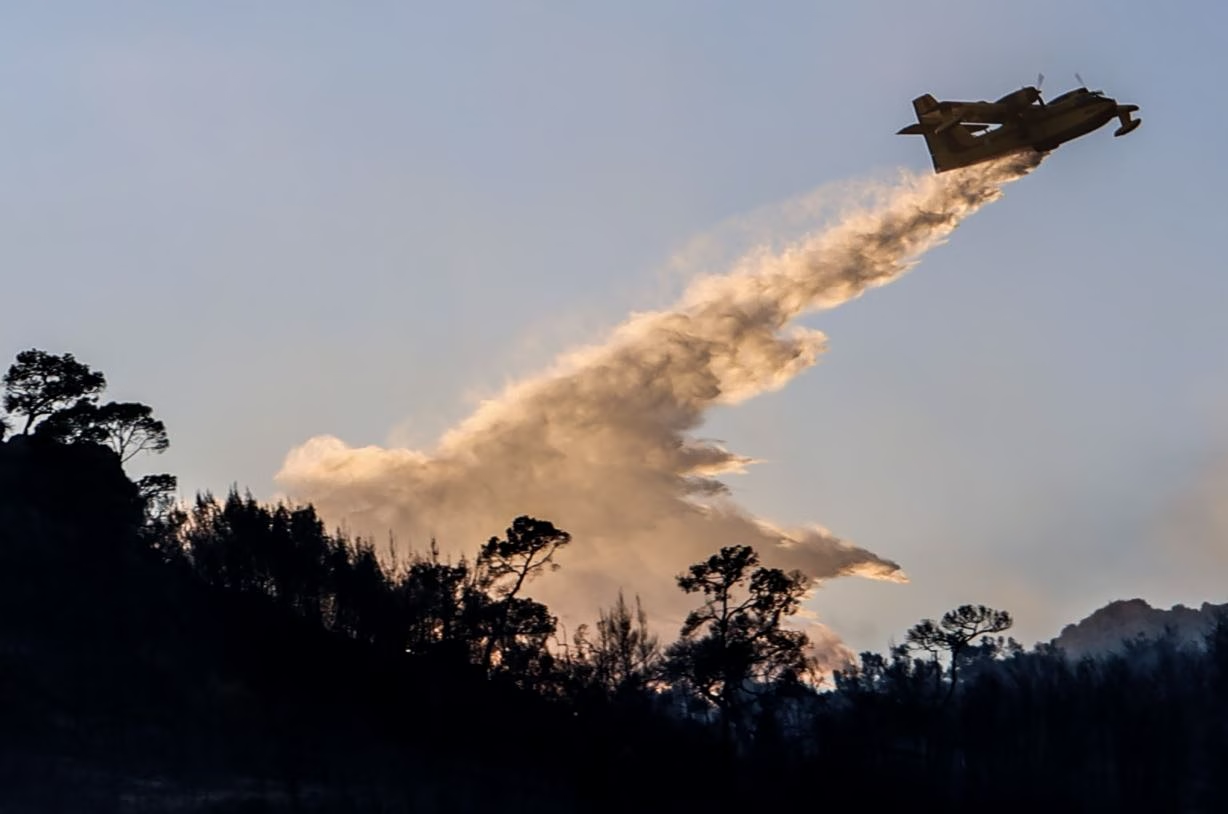
Ground crews were supported by seven firefighting vehicles, which were positioned strategically around the perimeter of the fire to manage its spread and protect nearby areas. In addition to the ground-based response, aerial firefighting assets were also activated to assist in controlling the blaze from above.
Aerial Support Activated
One helicopter was mobilized as part of the aerial firefighting effort. Helicopter support plays a critical role in battling forest fires in Greece, as it allows firefighting teams to drop water rapidly over areas that are inaccessible by road or where the fire is advancing too quickly for ground crews to contain effectively. The coordination between aerial and ground forces is a standard aspect of wildfire response operations in the country.
Context: Greece's Ongoing Wildfire Challenge
The Lefkogia fire is one of many wildfire incidents that Greece has faced in recent years during the summer months. The country has long struggled with the threat of forest fires, driven by a combination of high temperatures, dry conditions, strong winds, and in some cases, human negligence or arson. However, naturally occurring fires sparked by lightning represent a distinct and often underappreciated category of wildfire risk, particularly in mountainous forested regions.
Across Greece, firefighting authorities have increasingly emphasized the importance of rapid detection and early response as key factors in preventing small fires from escalating into large-scale disasters. The swift deployment of resources to Lefkogia reflects this operational priority, as early intervention gives crews the best chance of containing a fire before it grows beyond manageable limits.
Regional Fire Activity in Northern Greece
The Drama region, situated near the borders with Bulgaria and the broader northeastern Greek hinterland, is characterized by dense forest cover that supports biodiversity but also creates conditions conducive to wildfire spread. Summer thunderstorms in this part of Greece can bring lightning without sufficient rainfall to saturate the ground, producing what are commonly referred to as dry lightning events — situations where electrical storms occur but precipitation evaporates before reaching the surface.
These dry lightning conditions are particularly dangerous because they can ignite fires across wide areas simultaneously, stretching the capacity of firefighting services that may be responding to multiple incidents at once. While the Lefkogia fire appeared to involve some preceding rainfall, authorities were still treating the situation with urgency given the forest's natural susceptibility to fire during the dry summer season.
Ongoing Operations and Updates
As of the early evening hours on August 22, firefighting operations were still ongoing in the Lefkogia area. Authorities had not yet issued any evacuation orders or reported injuries related to the incident, though officials continued to monitor developments closely. The fire service operations center remained in contact with crews on the ground, coordinating the response and standing by to deploy additional resources if conditions required it.
The situation was being updated in real time as firefighting teams worked to bring the blaze under control. Residents in the broader Drama area were advised to stay informed through official channels and to follow any guidance issued by local civil protection authorities should the fire's trajectory change. No further escalation had been reported at the time of the latest available updates from the fire service.