Introduction to the Collaborative Initiative
The Municipality of Skiathos has recently formalized a significant partnership with the Ministry of Culture through a Programmatic Cultural Development Agreement. This collaborative endeavor is specifically designed to focus on the protection, restoration, and promotion of key historical and religious sites on the island: the venerable Skiathos Castle and several post-Byzantine churches. This initiative underscores a commitment to preserving the rich cultural tapestry of Skiathos, ensuring these invaluable monuments are maintained for future generations and contribute to the island's cultural tourism.
The agreement represents a strategic alignment between local governance and national cultural authorities, pooling resources and expertise to tackle the complex challenges associated with heritage conservation. Such partnerships are crucial in Greece, where countless historical sites require ongoing attention and significant investment to counteract the effects of time, environmental factors, and, in some cases, previous neglect. The selection of Skiathos Castle and its associated churches highlights their profound historical and architectural importance, not only to the local community but also to the broader understanding of Byzantine and post-Byzantine periods in the Aegean.
The Historical Significance of Skiathos Castle
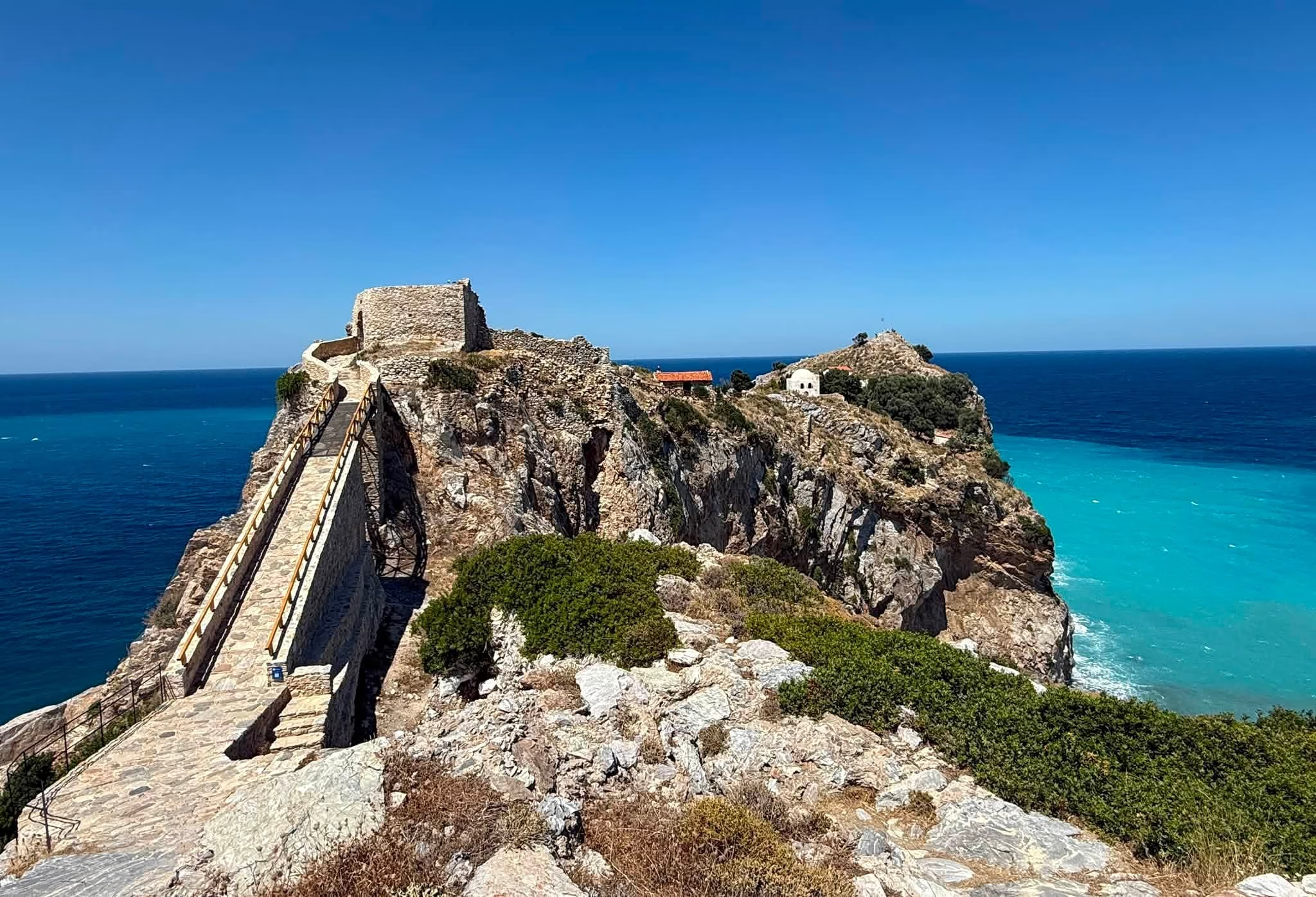
Skiathos Castle, perched atop a rocky promontory on the northern coast of the island, stands as a poignant reminder of Skiathos's tumultuous past. Constructed in the mid-14th century, during a period of intense piracy and instability in the Aegean Sea, the castle served as the island's primary defensive stronghold and its main settlement for over 400 years. Its strategic location offered natural protection, making it a formidable fortress against invaders. The inhabitants of Skiathos relocated to this naturally fortified site from the ancient city of Skiathos, seeking refuge from constant raids by pirates and various seafaring powers. This move was a matter of survival, reflecting the harsh realities of island life during the late Byzantine and early Ottoman periods.
Life within the castle walls was characterized by self-sufficiency and resilience. The settlement included houses, cisterns for water supply, and numerous churches, illustrating a complete community ecosystem. Access to the castle was notoriously difficult, typically involving a drawbridge that could be raised for security. This isolation, while providing safety, also shaped a distinct cultural and social environment within its confines. The castle remained inhabited until the early 19th century, when improved security conditions in the Aegean allowed the islanders to return to the more fertile and accessible coastal areas, establishing what is now the modern town of Skiathos. Today, the ruins of the castle offer a captivating glimpse into this bygone era, with remnants of walls, houses, and churches still visible. The site provides panoramic views of the Aegean, making it a significant archaeological and tourist destination.
The Architectural and Spiritual Value of Post-Byzantine Churches
Alongside the castle, the programmatic agreement places a strong emphasis on the preservation of several post-Byzantine churches located both within the castle grounds and across the island. These churches are invaluable not only for their architectural merit but also for their enduring spiritual and historical significance. The post-Byzantine period in Greece, spanning from the fall of Constantinople in 1453 to the Greek War of Independence in 1821, was a time of significant cultural and religious resilience under Ottoman rule. Churches built during this era often exhibit a unique blend of traditional Byzantine architectural elements with local adaptations, reflecting the resourcefulness of communities in maintaining their faith and cultural identity.
The churches within Skiathos Castle, though now largely in ruins, once played a central role in the daily lives of its inhabitants. They served as spiritual centers, places of community gathering, and repositories of religious art. Their architectural styles vary, from simple single-aisle basilicas to more complex structures, often adorned with intricate frescoes and iconostases. The preservation efforts will likely involve archaeological investigation, structural stabilization, and, where appropriate, restoration of frescoes and other artistic elements. The project aims to not only physically preserve these structures but also to document and interpret their historical and artistic narratives, making them more accessible and understandable to visitors and scholars alike.
Objectives of the Programmatic Agreement
The Programmatic Cultural Development Agreement outlines a comprehensive framework for achieving its objectives. The primary goals include:
- Conservation and Restoration: Implementing necessary structural repairs and conservation treatments to the castle walls, residential structures, and the fabric of the post-Byzantine churches. This will involve specialized techniques to address deterioration caused by weather, erosion, and seismic activity.
- Archaeological Research: Conducting systematic archaeological excavations and surveys to uncover more information about the castle's history, its inhabitants, and the evolution of the ecclesiastical structures. This research will contribute significantly to academic understanding and inform future restoration efforts.
- Promotion and Accessibility: Developing infrastructure to enhance visitor experience, such as improved pathways, interpretive signage, and educational materials. The aim is to make these sites more accessible to the public while ensuring their protection from damage. This might include the creation of digital guides or virtual tours to reach a wider audience.
- Cultural Promotion: Integrating these sites into broader cultural tourism initiatives for Skiathos. By highlighting their unique historical and architectural value, the project seeks to attract visitors interested in cultural heritage, thereby contributing to the local economy and fostering a deeper appreciation for Greek history. This could involve organizing cultural events, exhibitions, or educational programs centered around the castle and churches.
- Sustainability: Establishing long-term maintenance plans and management strategies to ensure the ongoing preservation of these monuments beyond the initial project phase. This includes training local personnel in heritage conservation techniques and fostering community involvement in the sites' upkeep.
The agreement also emphasizes the importance of utilizing modern technology in heritage management, including digital documentation, 3D modeling, and remote monitoring systems, to ensure efficient and effective preservation practices. This forward-thinking approach is crucial for managing large-scale heritage projects in the 21st century.
The Broader Impact on Skiathos and Cultural Heritage
This collaboration between the Municipality of Skiathos and the Ministry of Culture is expected to yield significant benefits for the island. Beyond the direct preservation of historical sites, the project is anticipated to:
- Boost Cultural Tourism: By enhancing the appeal and accessibility of Skiathos Castle and the post-Byzantine churches, the island can attract a more diverse range of tourists, including those with a keen interest in history and culture. This diversification of tourism offerings can lead to a more sustainable and resilient local economy.
- Strengthen Local Identity: The restoration and promotion of these sites will help reinforce the cultural identity of Skiathos, allowing residents, especially younger generations, to connect more deeply with their heritage. This can foster a sense of pride and ownership in their historical assets.
- Create Educational Opportunities: The project will provide valuable educational resources for schools and universities, offering hands-on learning experiences in archaeology, conservation, and history. It can also serve as a model for similar heritage projects in other regions.
- Contribute to National Heritage: The successful preservation of these monuments in Skiathos will add to the overall richness of Greece's national cultural heritage, providing further insights into the country's Byzantine and post-Byzantine periods. It demonstrates Greece's ongoing commitment to safeguarding its historical treasures.
The implementation of such an agreement requires meticulous planning, interdisciplinary collaboration, and sustained funding. The Ministry of Culture brings national expertise and resources, while the Municipality of Skiathos offers local knowledge, community engagement, and on-the-ground management. This synergy is vital for the successful execution of complex heritage projects.
Conclusion: A Future for Skiathos's Past
The Programmatic Cultural Development Agreement signed by the Municipality of Skiathos and the Ministry of Culture marks a pivotal moment for the preservation of the island's historical and religious legacy. By focusing on Skiathos Castle and its post-Byzantine churches, this initiative not only seeks to protect tangible cultural assets but also aims to enrich the island's cultural landscape and enhance its appeal as a destination. The commitment to a comprehensive approach, encompassing research, restoration, promotion, and sustainability, ensures that these irreplaceable monuments will continue to tell their stories for centuries to come, serving as a vital link between Skiathos's rich past and its vibrant future. This collaborative model sets a positive precedent for heritage management, demonstrating how concerted efforts can lead to profound and lasting benefits for both local communities and the broader cultural heritage sector.