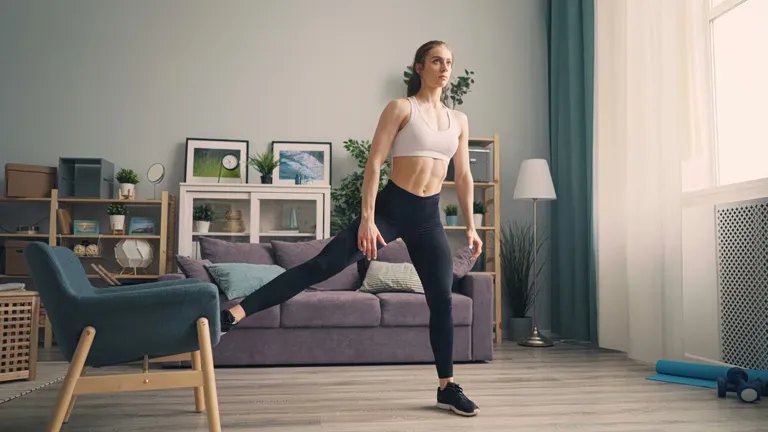
What is cozy cardio and why is it trending?
Cozy cardio refers to performing low-intensity physical activity in a setting that promotes relaxation and comfort. Unlike traditional fitness models that demand high sweat levels and intense physical exertion, this trend emphasizes movement that feels more like self-care than a chore. The primary goal is to reduce the psychological and physical friction that often prevents people from exercising regularly.
The trend has gained traction because it addresses common barriers to fitness, such as the need for expensive gym memberships, specialized clothing, or significant time commitments. By allowing individuals to move in their own space, in comfortable clothes, while listening to music or watching a favorite show, the barrier to entry is significantly lowered. Experts suggest that this approach makes movement more accessible to those who find traditional workouts intimidating or overwhelming.
Breaking down the psychological barriers to exercise
Traditional fitness culture often promotes an "all or nothing" mentality, where a workout is only considered effective if it is exhausting. This can lead to burnout or procrastination. Cozy cardio counters this by validating small, manageable movements. When the requirement for intensity is removed, the mental resistance to starting a session diminishes, making it easier to establish a sustainable habit.
How can you implement cozy cardio at home?
Implementing a cozy cardio routine does not require a dedicated home gym or sophisticated equipment. The versatility of the method allows it to be integrated into almost any daily habit. Because the focus is on gentle movement, you can tailor the activity to your current energy levels and interests.
Common methods for incorporating this trend include:
- Passive movement during entertainment: Instead of sitting while watching a 20-30 minute television episode, you can walk in place, move along a hallway, or use a yoga mat to pace around. The exercise concludes naturally when the episode ends.
- Audio-driven movement: Combining a podcast with light activity, such as pedaling a stationary bike at a low resistance, allows for mental stimulation and physical movement simultaneously.
- Music-based movement: Selecting three or four favorite songs and moving freely—whether dancing, swaying, or simply walking around the room—turns exercise into a rhythmic, enjoyable experience.
Six practical ways to try cozy cardio today
If you are looking to start, there are several specific, low-pressure ways to introduce movement into your day. These methods ensure that you do not need to prepare for a "workout" in the traditional sense.
- Dance to your favorites: Move however feels natural to you. This could involve simple steps, swaying, or arm movements to the beat of your preferred tracks.
- The "TV Walk": Use the duration of a show to stay active. Walking in place or around your living space while engaged with content makes the time pass quickly.
- Seated mobility: Movement does not always require standing. You can perform seated exercises, such as leg lifts, overhead arm reaches, or shoulder rolls, to keep the body mobile.
- Low-resistance cycling: If you own a stationary bike, use it as a tool for light movement while listening to an engaging podcast, keeping the resistance low and the pace steady.
- Exercise intervals: Mix different gentle movements for one or two minutes at a time, such as alternating between walking in place, chair squats, side steps, or gentle knee lifts.
- Stair climbing: Taking five to ten minutes for slow, steady walking up and down the stairs provides effective movement without needing any external equipment.
Can cozy cardio lead to long-term fitness benefits?
While cozy cardio is not designed for high-performance athletic training, it serves as a vital foundation for long-term health and habit formation. The core philosophy is that consistent, easy movement is superior to intense workouts that are frequently skipped due to lack of motivation.
By making movement a natural part of the daily routine, individuals build the discipline of consistency. Once a baseline of regular movement is established, it becomes much easier to gradually increase intensity or introduce more structured strength training. The transition from "cozy" movement to more vigorous exercise is a natural progression rather than a sudden, jarring lifestyle change.
The role of movement in habit stacking
Cozy cardio excels at "habit stacking," a productivity technique where a new habit is tied to an existing one. By attaching movement to watching a show or listening to a podcast, the exercise becomes an automatic part of an already established routine. This reduces the need for willpower, which is often the limiting factor in fitness success.
Frequently asked questions
Do I need special workout clothes for cozy cardio?
No, one of the main benefits of cozy cardio is that it does not require specialized athletic apparel. You can perform these activities in your everyday comfortable clothing, such as loungewear or pajamas, which helps lower the psychological barrier to starting a session.
How long should a cozy cardio session last?
A typical session can be as short as 15 to 20 minutes. Because the intensity is low, the duration is flexible and can be dictated by the length of a podcast, a television episode, or a few favorite songs.
Is cozy cardio effective for weight loss?
Cozy cardio is primarily designed for movement consistency and mental well-being rather than intense calorie burning. While it contributes to daily energy expenditure, its main strength lies in building a sustainable habit that can eventually lead to more intense fitness goals.
Can sedentary people benefit from this trend?
Yes, cozy cardio is particularly beneficial for those who find traditional exercise intimidating. It provides a low-pressure entry point into physical activity, helping to reduce sedentary time without the stress of high-impact or high-intensity training.
Does cozy cardio require any equipment?
Most forms of cozy cardio require no equipment at all. Activities like dancing, walking in place, or using stairs are completely free. If you have a stationary bike or a yoga mat, you can use them, but they are by no means mandatory.
Key takeaways
- Cozy cardio focuses on low-intensity, gentle movement performed in a comfortable home environment.
- The practice aims to reduce psychological barriers by eliminating the need for gym gear or intense exertion.
- Sessions are typically short, lasting between 15 and 20 minutes of light activity.
- Consistent, easy movement is prioritized over sporadic, high-intensity workouts to build lasting habits.
Building a sustainable lifestyle through gentle movement
The rise of cozy cardio reflects a broader shift in wellness toward accessibility and mental health. By reframing exercise as a form of gentle self-care rather than a grueling task, it allows individuals to integrate movement into their lives more naturally. This approach recognizes that the best exercise is the one you actually do. As people become more comfortable with these low-pressure routines, they create a foundation for lifelong health, proving that movement does not have to be difficult to be meaningful.