Testing the acceptance of confidence-building measures
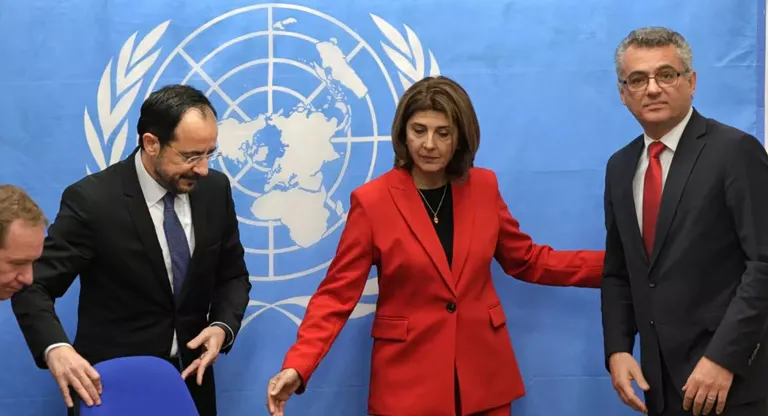
The meeting scheduled for 11:00 a.m. serves as a litmus test for the viability of the current diplomatic roadmap. Hosted by Maria Angela Olguin, the Personal Envoy of the UN Secretary-General, the session brings together Cypriot President Nicos Christodoulides and Turkish Cypriot leader Tufan Erkurman. The primary objective is to clarify Erkurman's stance on a proposed package of confidence-building measures (CBMs).
According to reports from philenews, the acceptance or rejection of these measures will directly influence the possibility of expanding the dialogue. If the leaders reach an agreement on these measures, it could pave the way for a broader '5+1' format meeting. Such a development is considered essential for moving beyond preliminary discussions and entering into substantive negotiations regarding the island's political settlement.
Risks to the United Nations mediation process
The stakes for the mediation efforts are high, with UN officials warning of potential long-term damage to the peace process. In a recent interview with the Sunday Mail, Maria Angela Olguin expressed concerns that a new failure of the UN Secretary-General's initiative could result in "huge damage" to the efforts to restart negotiations. This warning underscores the fragility of the current diplomatic window.
To mitigate these risks, Olguin has emphasized the necessity of establishing a clear and structured framework for any future dialogue. In an interview with the newspaper "Politis," she highlighted several critical components required for a successful resumption of talks:
- A clearly defined timeline for engagement.
- A comprehensive agenda for upcoming sessions.
- Established mechanisms to overcome diplomatic deadlocks.
Without these structural safeguards, the UN envoy suggests that the process remains vulnerable to repeated cycles of stagnation.
The Greek Cypriot position and political will
President Nicos Christodoulides has maintained a stance of continuous engagement from the Greek Cypriot side. During statements made last week, the President asserted that his administration is actively working by submitting various proposals to facilitate progress. He emphasized that the technical groundwork is being laid to ensure readiness for whenever a breakthrough occurs.
The Greek Cypriot leadership's position rests on the availability of political will from the opposing side. Christodoulides expressed his view that if such will exists, the current proposals could successfully lead to the formal resumption of negotiations. The current trilateral meeting acts as the primary mechanism to verify whether that political will is present in the Turkish Cypriot leadership.
Summary of the meeting framework
| Participant | Role |
|---|---|
| Maria Angela Olguin | UN Secretary-General's Personal Envoy |
| Nicos Christodoulides | President of the Republic of Cyprus |
| Tufan Erkurman | Turkish Cypriot Leader |