How has Turkey's strategic position changed since the Cold War?
Turkey's strategic importance was historically defined by its role as a frontline defender of the Atlantic Alliance against the Soviet Union. During the Cold War, its geographic location—bordering the USSR and controlling Black Sea access—provided immense leverage. According to geopolitical analyst Giorgio Levas, the 1974 Cyprus crisis clearly demonstrated how Turkey's central position allowed it to prioritize national interests, even when they diverged from those of its allies.
The end of the bipolar era did not diminish Ankara's importance, but it fundamentally altered the conditions of its influence. Without a singular primary adversary like the Soviet Union, NATO lost its most defining context, yet the internal tensions between allies remained. Turkey successfully transitioned from being a 'sentinel' of the West to a player that uses its geography to secure political autonomy.
The shift from sentinel to autonomous actor
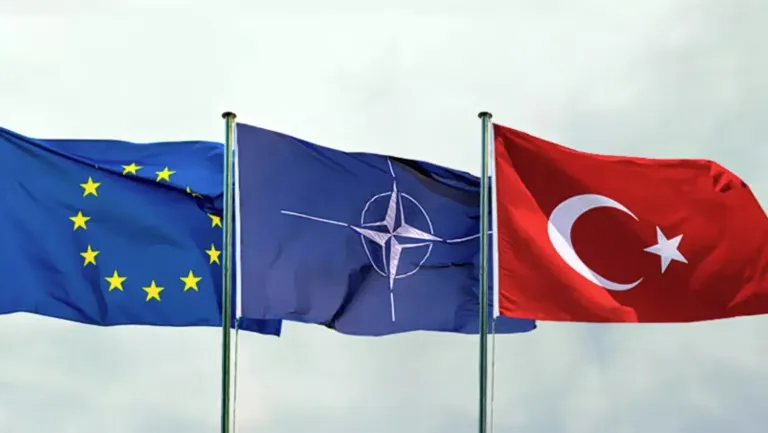
During the Cold War, the United States viewed Turkey as a critical bulwark. Historical records from the White House suggest that in any potential conflict between Greece and Turkey, Washington would prioritize its alliance with Ankara. This logic meant that strategic necessity often outweighed political disagreements. Today, however, Turkey no longer accepts a role dictated by external powers. Instead, it leverages its position to navigate between various global actors, including the West, Russia, and non-Western regional powers.
What defines Turkey's current pluralistic foreign policy?
Turkey currently pursues a pluralistic approach characterized by maintaining NATO membership and economic ties to Europe while simultaneously negotiating with Moscow and building relations with regional actors. This strategy is not about neutrality, but about maximizing maneuvering room through multiple channels of dialogue. The relationship with Russia serves as a primary example of this complexity.
While Ankara and Moscow often find themselves on opposing sides in certain geopolitical scenarios, they have maintained robust channels for economic and energy cooperation. This dual-track approach is also evident in Turkey's stance on the Russia-Ukraine conflict. Although Ankara has supported Ukraine's territorial integrity, it has notably refrained from fully adopting the Western sanctions regime against Russia. This demonstrates a consistent pattern: Turkey's integration into Atlantic structures does not imply automatic subordination to Western foreign policy dictates.
How does the 'Blue Homeland' doctrine impact regional stability?
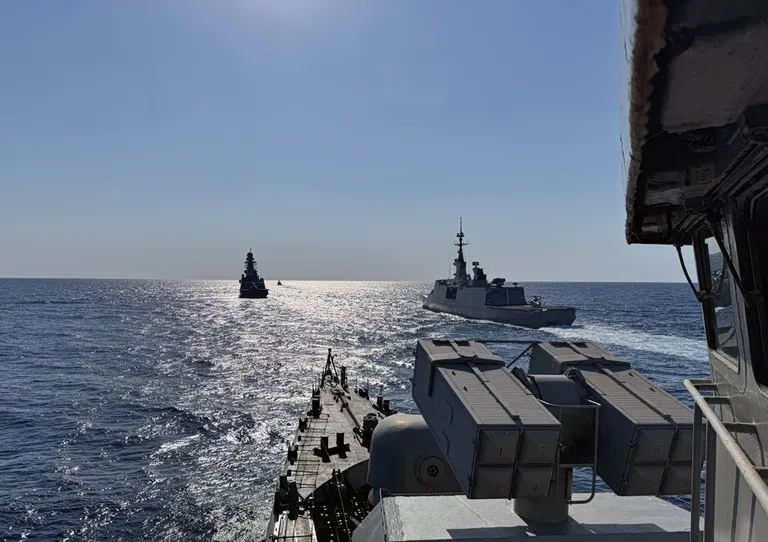
The 'Blue Homeland' (Mavi Vatan) doctrine is a central pillar of Turkey's modern strategic identity, asserting that maritime sovereignty is vital to national security. This vision extends Turkey's reach into the Eastern Mediterranean, the Aegean, and the Black Sea, where Ankara actively claims rights and influence. This maritime-centric approach directly clashes with the positions held by Greece and the Republic of Cyprus.
Disputes regarding maritime borders, exclusive economic zones (EEZs), and the control of energy resources have become flashpoints for tension. Turkey's assertive stance in these waters is not merely a matter of resource competition but is tied to a broader ideological framework that seeks to expand Turkey's regional footprint.
Ideological drivers of Turkish expansionism
Beyond maritime claims, Turkey's foreign policy is influenced by several ideological currents. Pan-Turkism encourages deeper ties with Turkic-speaking populations in Central Asia, while neo-Ottoman and Pan-Islamic references position Turkey as a significant political actor within the Muslim world and historical Ottoman territories. These elements, while not always forming a single unified doctrine, converge to support a more ambitious and independent foreign policy aimed at reshaping regional balances of power.
What are the complexities of Turkey-EU relations?
The relationship between Ankara and Brussels is defined by a tension between deep economic interdependence and persistent political disagreements. While the European Union possesses significant economic power and institutional tools for coordination, it does not function as a single, monolithic strategic entity. Instead, the EU often acts as a forum where various member states pursue their own national interests and geopolitical priorities.
This fragmentation within the EU complicates negotiations with Turkey. Member states hold differing views on how to manage relations with the United States, Russia, and the Middle East, which in turn affects the EU's collective response to Turkey's actions. Consequently, any formula for cooperation must account for the fact that economic integration does not automatically translate into a unified strategic will.
Frequently asked questions
How does Turkey balance its NATO membership with its relationship with Russia?
Turkey maintains its NATO membership while pursuing a pluralistic policy that includes economic and energy cooperation with Russia. This allows Ankara to maximize its political maneuvering room, supporting Ukraine's territorial integrity without fully adhering to the Western sanctions regime against Moscow.
What is the significance of the 'Blue Homeland' doctrine?
The Blue Homeland (Mavi Vatan) doctrine asserts Turkey's maritime sovereignty in the Eastern Mediterranean, the Aegean, and the Black Sea. It is a central component of Turkey's national security strategy and is a major source of tension with Greece and Cyprus.
Why is the EU not a unified strategic actor in Turkey relations?
The EU is composed of member states with diverse national interests and varying geopolitical priorities. While common institutions facilitate coordination, they cannot erase the different strategic assessments held by individual members regarding the Middle East, Russia, and the United States.
How did the 1974 Cyprus crisis shape Turkish foreign policy?
The 1974 crisis highlighted Turkey's central role in the Mediterranean and demonstrated that its strategic importance could override political friction with allies. This historical precedent established a pattern of prioritizing national interests within the framework of its Western alliances.
What role do Pan-Turkism and Neo-Ottomanism play in Ankara's policy?
These ideological currents provide a framework for Turkey to project influence in Central Asia and the Muslim world. They contribute to a more ambitious foreign policy that seeks to expand Turkey's regional role beyond its traditional borders.
Key takeaways
- Turkey uses its unique geography to maintain significant political autonomy from NATO and the EU.
- The 'Blue Homeland' doctrine drives maritime disputes with Greece and Cyprus over energy and borders.
- Ankara pursues a pluralistic policy, balancing Western integration with strategic ties to Russia.
- The EU's response to Turkey is often fragmented due to differing national interests among member states.
Conclusion
Turkey's transformation from a Cold War sentinel to an autonomous regional power represents a significant shift in the global geopolitical landscape. By leveraging its geography and adopting doctrines like 'Blue Homeland,' Ankara has moved beyond being a mere recipient of Western security architecture to becoming a proactive architect of regional rules. This autonomy, while providing Turkey with significant diplomatic leverage, creates persistent friction with the EU and traditional Mediterranean allies. As Turkey continues to navigate the complexities of its pluralistic foreign policy, its ability to balance competing interests will remain a defining factor for stability in the Eastern Mediterranean and the broader Atlantic alliance.