Extreme Fire Danger Prompts Highest Level of Civil Protection Readiness Across Greece
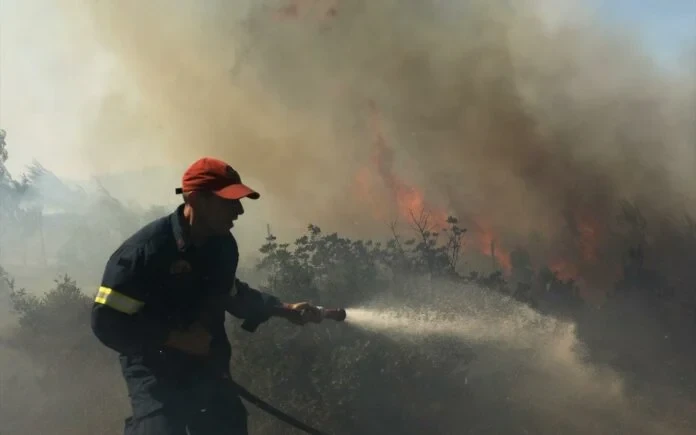
Greek Civil Protection authorities have elevated their response posture to the highest possible level, placing Attica and a number of other regions across the country under a red code alert in anticipation of extremely dangerous wildfire conditions expected on Monday. The move signals one of the most serious fire preparedness mobilizations seen in recent weeks, as seasonal heat and dry winds continue to create volatile conditions across large swaths of the country.
What Red Code Means for Emergency Services
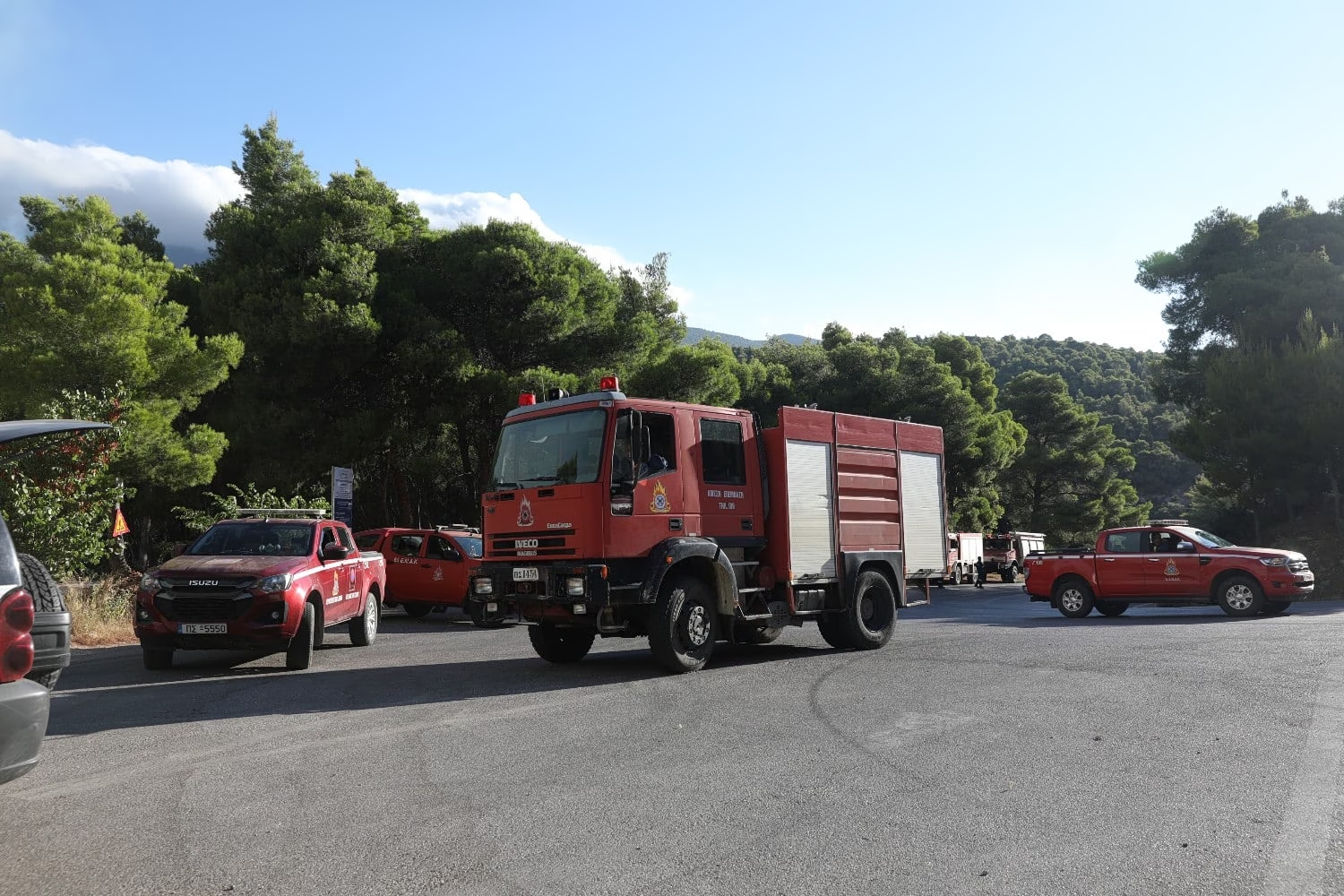
A red code designation — corresponding to Category 4 on the national fire danger scale, which indicates a very high risk of fire ignition and rapid spread — requires all relevant emergency services and local authorities in the affected areas to shift into a state of maximum readiness. This means that fire brigades, municipal response teams, civil protection units, and other coordinating agencies must be fully mobilized and prepared to respond at a moment's notice.
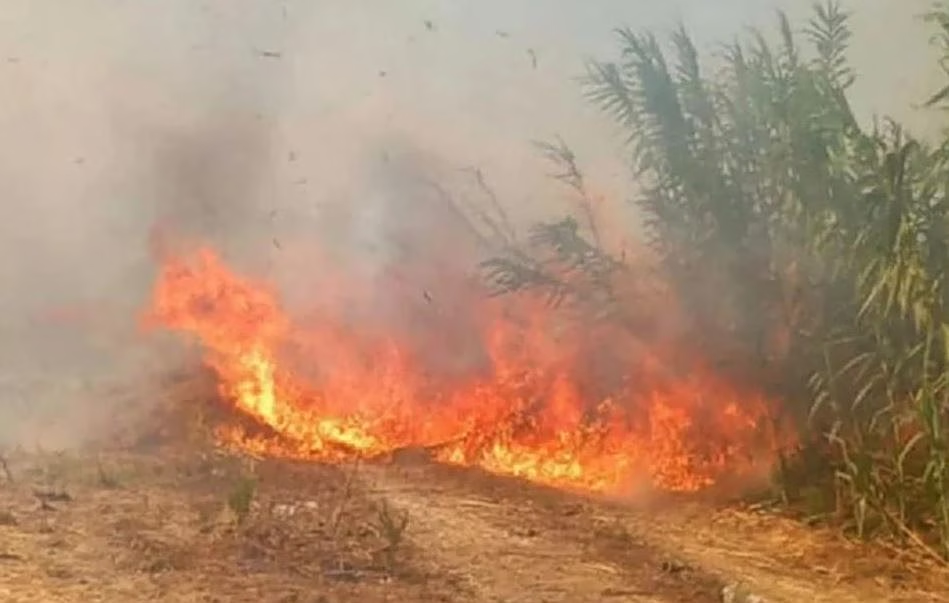
The orange alert with very high fire danger classification that covers several regions is being treated with the utmost seriousness by officials, who are aware that under such conditions, even a small spark can escalate into a large and uncontrollable blaze within minutes. Strong winds, low humidity, and high temperatures form the classic combination that makes wildfires particularly destructive and difficult to contain.
Attica Among the Most at-Risk Regions
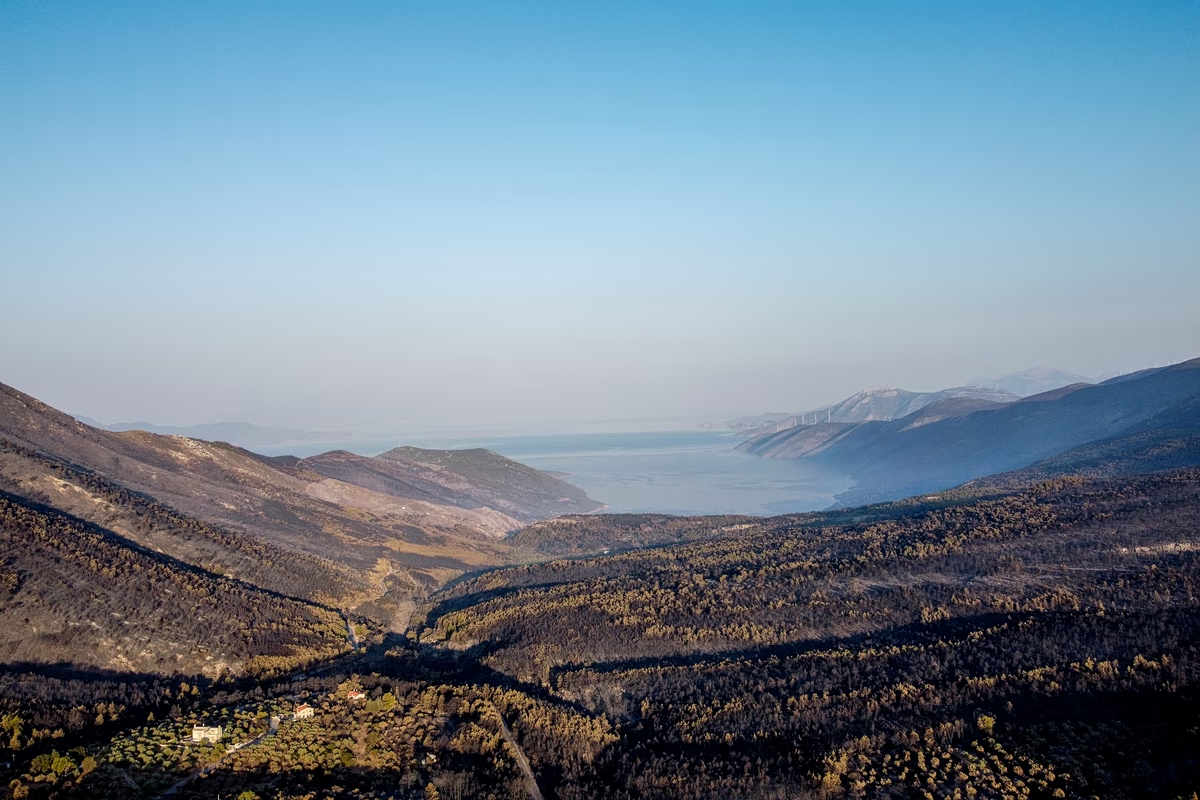
The greater Athens region of Attica has been specifically highlighted as one of the areas placed under the highest alert level. Given that Attica is home to millions of residents and encompasses densely populated urban zones as well as significant forested and semi-rural areas on its periphery, the stakes are particularly high. Forested hillsides surrounding the capital have historically been vulnerable to wildfires, with several major fires having caused significant destruction and loss of life in past years.
Authorities are urging residents across all affected regions to exercise extreme caution and to strictly comply with any fire prevention measures in place. Open burning of any kind, including agricultural waste or debris, is prohibited under these alert conditions. Citizens are also being advised to report any signs of smoke or fire immediately by contacting the relevant emergency services.
A Recurring Summer Challenge for Greece
Wildfires have long been a defining challenge for Greece during the summer months. The combination of a Mediterranean climate — characterized by hot, dry summers — along with increasingly frequent and intense heatwaves linked to broader climate trends, has made fire season an ever-present concern for both authorities and the public. In recent years, Greece has experienced some of its most destructive wildfire seasons on record, leading to significant investment in firefighting capacity and emergency response infrastructure.
Despite these efforts, the sheer scale and unpredictability of fire behavior under extreme conditions continues to test the limits of what emergency services can manage. The current red code alert is a reflection of just how quickly the situation can deteriorate when environmental factors align.
Preventive Measures and Public Guidance
In addition to mobilizing emergency personnel, Civil Protection authorities typically implement a range of preventive measures when red code conditions are declared. These can include:
- Increased aerial surveillance over high-risk forested zones
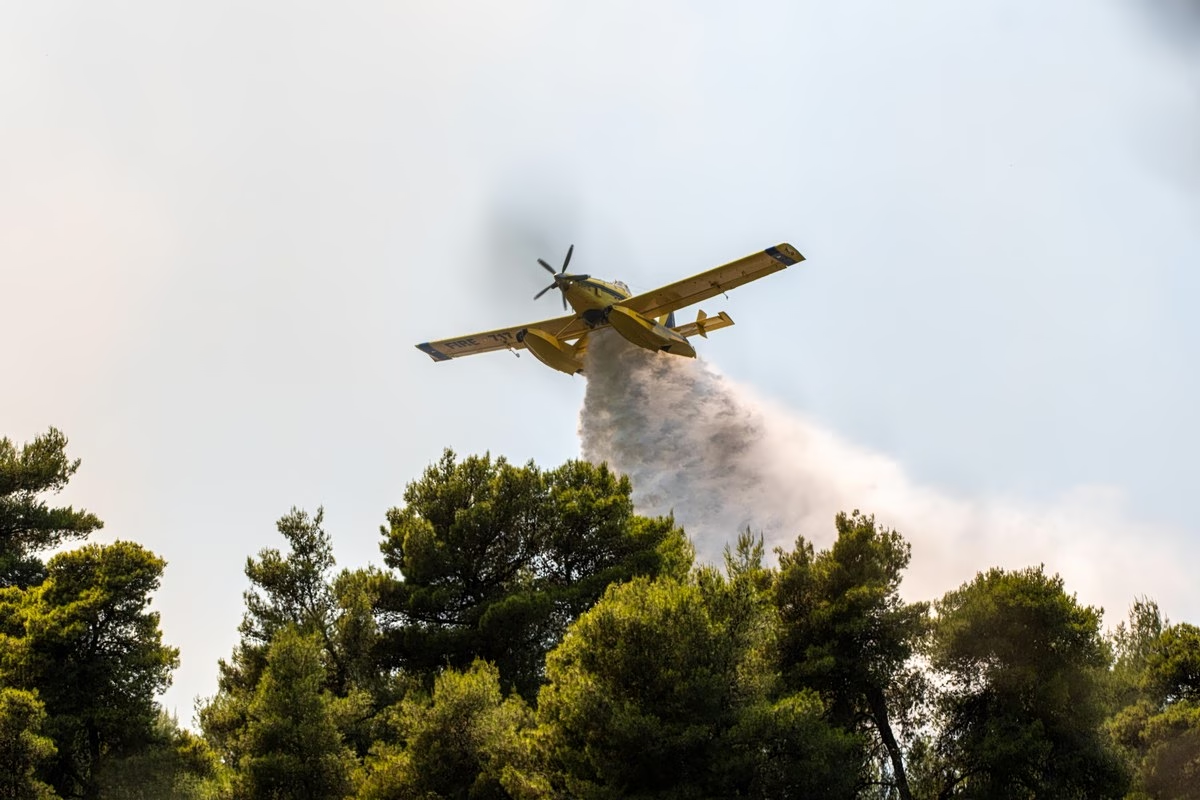
- Pre-positioning of firefighting aircraft and ground crews in strategic locations
- Enhanced coordination between municipal, regional, and national emergency management bodies
- Public awareness campaigns urging residents to avoid any activities that could ignite a fire
- Restrictions on access to certain forested areas and nature reserves
Residents living in or near fire-prone areas are strongly encouraged to prepare emergency evacuation plans and to familiarize themselves with local alert systems and evacuation routes. Keeping mobile phones charged and monitoring official announcements from Civil Protection is considered essential during periods of elevated fire risk.
Climate Pressures Intensify the Problem
Scientists and environmental experts have increasingly pointed to climate change as a key driver behind the growing intensity and frequency of wildfire events across the Mediterranean region. Rising average temperatures, prolonged drought periods, and shifting precipitation patterns have collectively contributed to landscapes that are drier and more susceptible to fire than they were in previous decades.
For Greece, this translates into a longer effective fire season, with dangerous conditions now sometimes extending well beyond the traditional peak summer months. The economic and human costs of large-scale wildfires are substantial, encompassing property damage, loss of biodiversity, long-term soil degradation, and significant strain on public health infrastructure due to smoke exposure.
Authorities Call for Collective Vigilance
Officials have reiterated that preventing wildfires requires not only a robust institutional response but also active participation from the general public. Human activity remains one of the leading causes of wildfire ignition, whether through carelessness, negligence, or deliberate action. During periods of extreme fire danger, even routine activities such as discarding a lit cigarette or operating machinery that could generate sparks carry serious risk.
Civil Protection agencies are calling on all residents and visitors in affected areas to act responsibly, remain alert, and support emergency response efforts by staying out of restricted zones and following all official instructions. The collective effort of communities working alongside emergency services is seen as a critical component of effective wildfire prevention and management.
As Monday approaches, all eyes will be on weather developments and any new updates from Civil Protection authorities, who have indicated they are closely monitoring the situation and are prepared to adjust alert levels and response measures as conditions evolve.